


 Iran Mines Strait of Hormuz: Crude Oil Prices Surge Amid Middle East Tensions
  Trump-Putin Call Addresses Iran War, Ukraine Peace, and Global Oil Crisis
  Iran's Government Remains Stable Despite U.S. and Israeli Strikes, Intelligence Shows
  FBI Warns of Possible Iranian Drone Attacks on California Amid U.S.-Iran War
  Trump Administration Launches Trade Investigations Against 16 Countries Over Industrial Overcapacity
  Israel-Iran War: Herzog Urges Patience as U.S. and Israeli Strikes Intensify
  U.S. and Russia Hold Diplomatic Talks in Florida Amid Ongoing Tensions
  Trump Announces New U.S. Oil Refinery in Texas with Indian Energy Giant Reliance
  Iran-U.S. Oil Tensions Escalate as Revolutionary Guards Threaten Strait of Hormuz Blockade
  Anthropic Sues Pentagon Over AI Blacklist, Citing Free Speech Violations
  U.S.-Israel War on Iran Sends Crude Oil Prices Surging Amid Strait of Hormuz Tensions
  Boeing Secures $289 Million Smart Bomb Contract With Israel
  U.S. Patriot Missiles Redeployed From South Korea Amid Middle East Conflict
  Trump Administration Spent $5.6 Billion in Munitions in Opening Days of Iran Strikes
  IEA Releases Record 400 Million Barrels of Oil Amid U.S.-Iran War
  Bipartisan Housing Bill Advances in Senate, Aims to Tackle U.S. Affordability Crisis
  U.S. Calls for Reassessment of International Aid to Taliban-Ruled Afghanistan


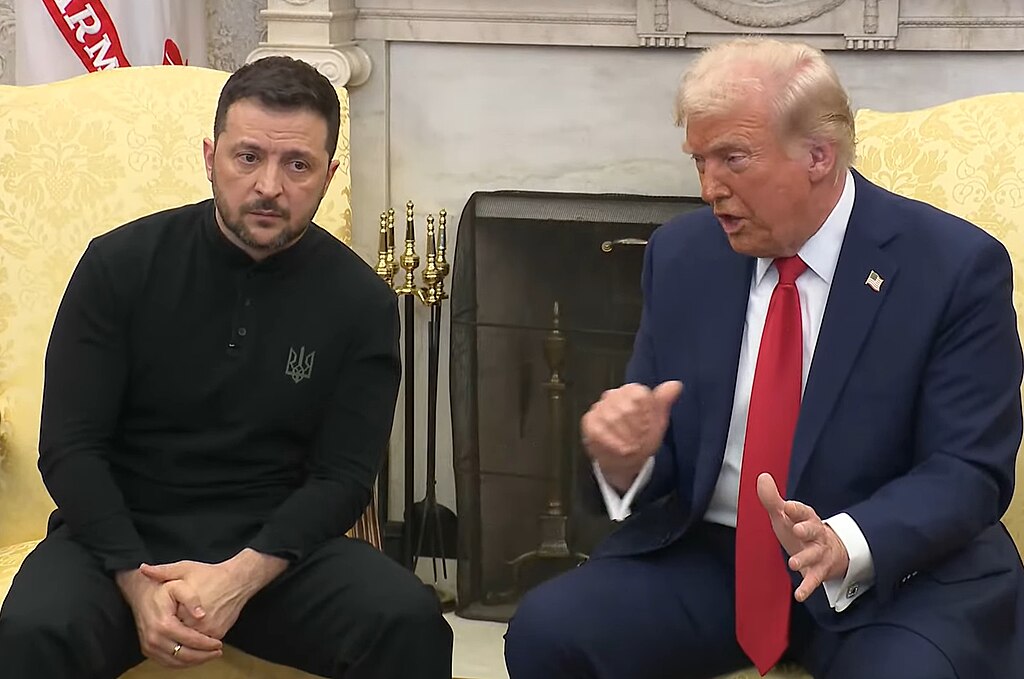
The United States has, for the first time, publicly backed a broad coalition of Ukraine’s allies in pledging security guarantees aimed at deterring future Russian aggression. The commitment emerged from a high-level summit in Paris involving the so-called “coalition of the willing,” made up primarily of European nations seeking to strengthen Ukraine’s security framework in the event of a ceasefire with Russia.
The meeting marked a notable shift, as U.S. envoys Steve Witkoff and Jared Kushner, alongside America’s top general in Europe, Alexus Grynkewich, joined European and Ukrainian leaders. Their presence was widely seen as a signal of renewed U.S. engagement in shaping post-war security arrangements for Ukraine. Witkoff said President Donald Trump strongly supports security protocols designed both to deter future attacks and to defend Ukraine if deterrence fails, calling them among the strongest ever proposed.
Kushner stressed that any final peace deal must provide Ukraine with robust, long-term security, including credible deterrence and reliable backstops to prevent renewed conflict. Coalition leaders also said allies would participate in a proposed U.S.-led ceasefire monitoring and verification mechanism, likely using drones, satellites, and sensors rather than American troops on the ground.
Ukrainian President Volodymyr Zelenskiy welcomed the talks as a serious signal of commitment from Europe and its partners but noted that key details remain unresolved, including how monitoring would function and how Ukraine’s military would be funded and supported. He thanked the United States for its willingness to act as a backstop not only for security guarantees but also for ceasefire monitoring and reconstruction efforts.
While the final statement was not formally endorsed by Washington and toned down earlier language on direct U.S. capabilities, European leaders hailed U.S. involvement as evidence of transatlantic unity. Attention has now shifted toward legally binding security guarantees that could include military assistance, intelligence sharing, logistics, diplomatic action, and additional sanctions if Russia attacks again.
France and Britain also signaled readiness to deploy troops after a ceasefire, paving the way for a European-led multinational force to help rebuild Ukraine’s armed forces and strengthen deterrence. The proposals, however, face uncertainty, as Russia has shown no public willingness to accept peace terms involving such guarantees or foreign troops in Ukraine.













