


 SpaceX Updates Starlink Privacy Policy to Allow AI Training as xAI Merger Talks and IPO Loom
  Tencent Shares Slide After WeChat Restricts YuanBao AI Promotional Links
  Nintendo Shares Slide After Earnings Miss Raises Switch 2 Margin Concerns
  Google Cloud and Liberty Global Forge Strategic AI Partnership to Transform European Telecom Services
  TSMC Eyes 3nm Chip Production in Japan with $17 Billion Kumamoto Investment
  Palantir Stock Jumps After Strong Q4 Earnings Beat and Upbeat 2026 Revenue Forecast
  Anthropic Eyes $350 Billion Valuation as AI Funding and Share Sale Accelerate
  Oracle Plans $45–$50 Billion Funding Push in 2026 to Expand Cloud and AI Infrastructure
  Nvidia Confirms Major OpenAI Investment Amid AI Funding Race
  SpaceX Seeks FCC Approval for Massive Solar-Powered Satellite Network to Support AI Data Centers
  Instagram Outage Disrupts Thousands of U.S. Users
  SoftBank and Intel Partner to Develop Next-Generation Memory Chips for AI Data Centers
  Sony Q3 Profit Jumps on Gaming and Image Sensors, Full-Year Outlook Raised
  OpenAI Expands Enterprise AI Strategy With Major Hiring Push Ahead of New Business Offering
  SpaceX Prioritizes Moon Mission Before Mars as Starship Development Accelerates
  Nvidia Nears $20 Billion OpenAI Investment as AI Funding Race Intensifies


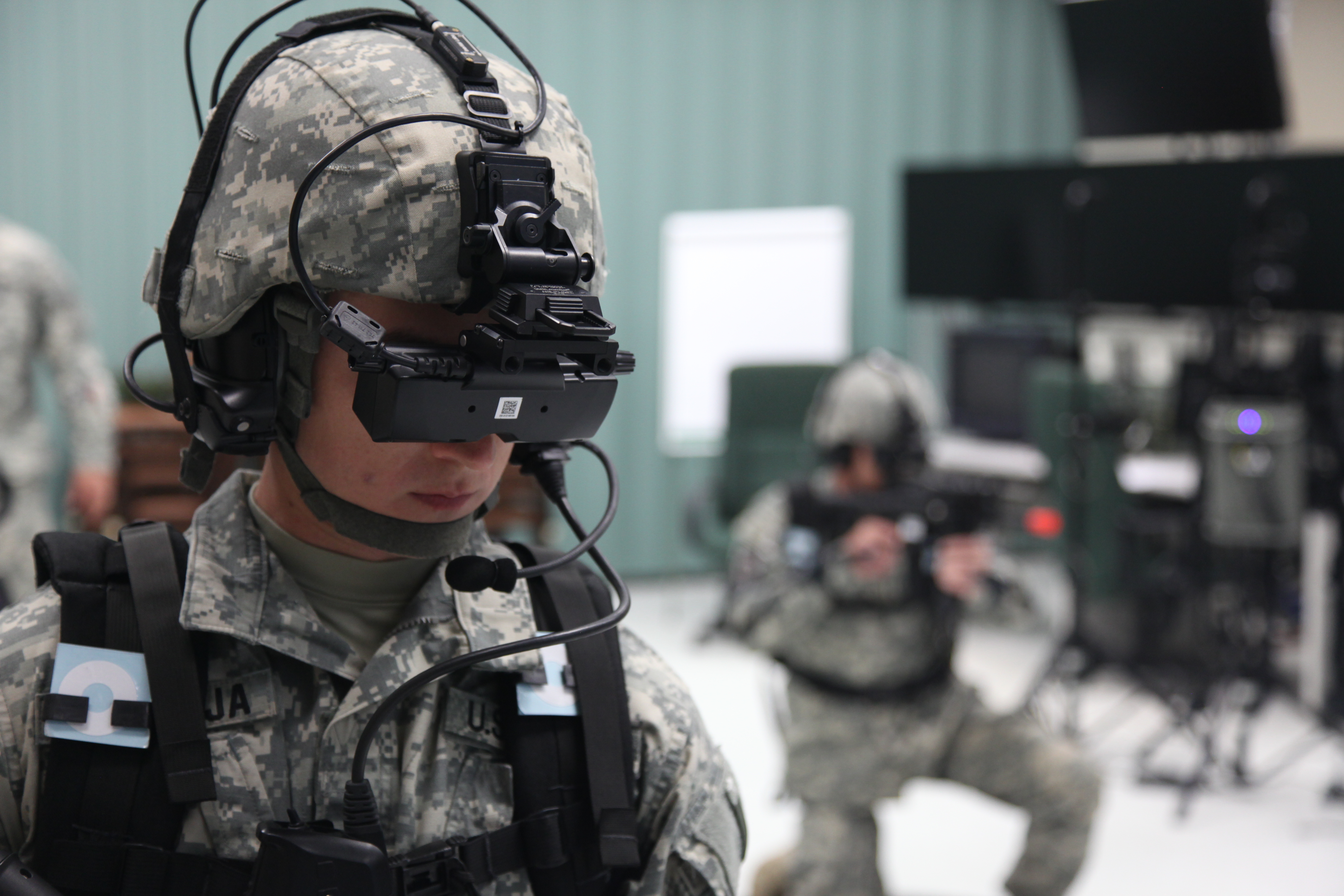
When it comes to being tactically effective in battle, knowing the terrain is a huge advantage that soldiers regularly try to employ. If the fight should take place in North Korea, this is where U.S. soldiers can lag behind since the terrain in the region is not exactly well-known to Americans. Fortunately, there is virtual reality to compensate for the absence of common knowledge, which can prepare U.S. Army soldiers for engagement in the reclusive territory if the need arises.
Training in VR, where soldiers fight digital enemies in digital environments, has been something of a sci-fi mainstay for decades. In the case of the North Korea terrain issue, the developers of the simulation took data via satellite images and other available intel that has been gathered to generate what’s called Synthetic Training Environments. According to a white paper discussing the matter, the environment is generated by an artificial intelligence that was fed with the data.
While the environment is naturally going to remain relatively the same, it would seem that the AI throws in some variability to the simulation from time to time. This helps simulate actual, unpredictable scenarios wherein soldiers will need to cope with developments that they were not expecting.
The U.S. Army has actually been employing VR training since back in 2012, but the technology has advanced significantly since then. Now, trainers can create life-like environments and conditions in a more rapid fashion than before.
According to engineers who spoke to New Scientist, it would seem that other than North Korea, the VR simulation also features other areas such as South Korea and New York. Basically, places where live fire exercises can cause quite a bit of an issue.
On that note, it’s understandably unsettling to consider that the U.S. is using these environments as training grounds for combat. While movies might like to depict burning American cities all the time, the thought of such occurrences happening in real life is naturally worrisome.













