


 34 Australians Missing After Deadly Nepal Floods
  Nepal Declines Foreign Rescue Aid After Deadly Flash Flood
  Judge Rejects Minnesota Bid to Force ICE Agent Extradition
  Yindjibarndi Appeals Fortescue Mining Compensation Ruling
  New Zealand Moves to Ban Social Media for Children Under 16
  Nvidia Options Price in $280 Billion Earnings Swing
  Alibaba Raises $10.2 Billion to Expand AI Infrastructure
  Mojtaba Khamenei’s Absence Fuels Iran Leadership Doubts
  Meta Agrees to $18 Billion Settlement, Tightens Teen Social Media Rules
  OpenAI Data Center Chief Chris Malone Exits Ahead of Planned 2027 Listing
  South Korea, Japan and US Plan Joint Military Drills
  Pinterest Stock Falls as CFO Julia Brau Donnelly Resigns
  Countries Tighten Social Media Bans for Children
  Salesforce Shares Surge as AI Demand Powers Q2 Earnings Beat
  Qatar Pushes Iran Diplomacy as Trump Rules Out Talks
  Bessent Defends US Yen Intervention Over Treasury Market Risks
  Street Poller Media and The Boom of the Street Interview Ad Industry


 Add as a preferred source on Google
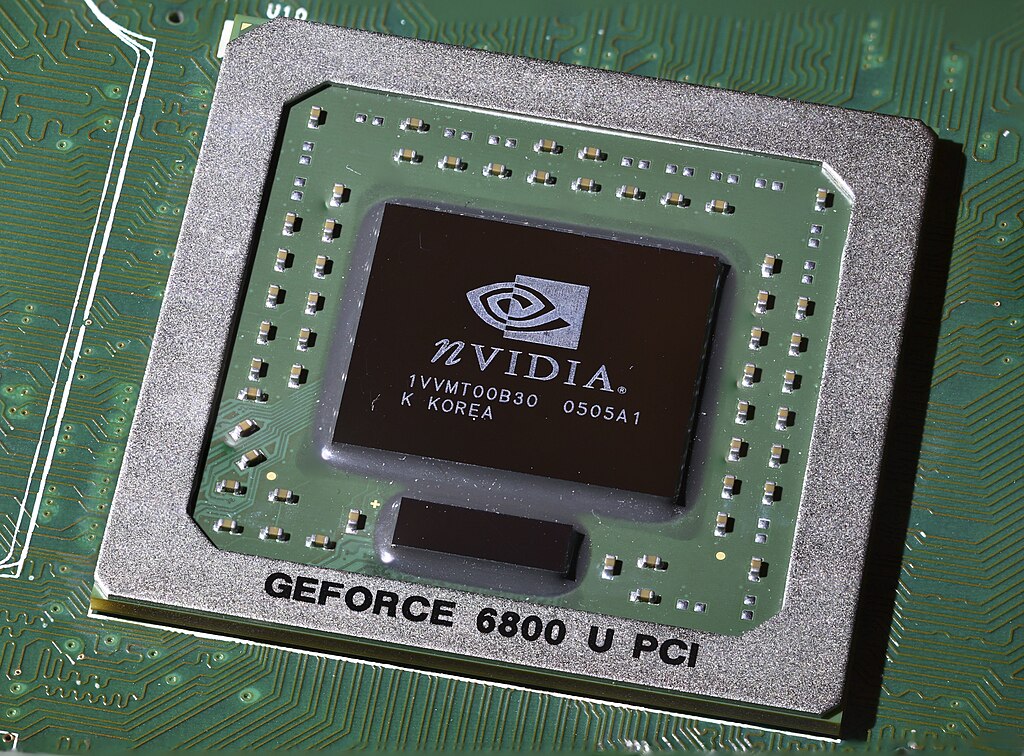
The U.S. government has granted NVIDIA Corporation (NASDAQ: NVDA) export licenses worth several billion dollars for chip sales to the United Arab Emirates (UAE), ending months of uncertainty surrounding a major artificial intelligence partnership. According to a Bloomberg report, the Commerce Department’s Bureau of Industry and Security recently issued the licenses under a bilateral AI agreement originally signed between the Donald Trump administration and the UAE in May.
The agreement allows for the sale of hundreds of thousands of NVIDIA chips to the Gulf nation, a move seen as a cornerstone of the UAE’s growing AI ambitions. In exchange, the UAE committed to invest billions of dollars in the United States, strengthening economic and technological ties between the two nations.
Reports earlier suggested that the deal was temporarily on hold due to U.S. national security concerns, particularly regarding the UAE’s strategic proximity to China. These concerns had reportedly frustrated several involved parties, including NVIDIA CEO Jensen Huang, as delays risked slowing the company’s international growth strategy.
The approval marks a significant win for NVIDIA, whose overseas sales have faced intense scrutiny amid Washington’s efforts to restrict advanced AI chip exports. The U.S. government has become increasingly protective of cutting-edge semiconductor technology, viewing it as vital to national security and global competitiveness.
While sales to China remain limited under existing trade controls, NVIDIA has recently resumed certain transactions following a new U.S.-China trade agreement earlier this year. The UAE deal, however, reflects a renewed willingness by Washington to strengthen partnerships with allied nations investing heavily in AI infrastructure.
The decision not only boosts NVIDIA’s international presence but also underscores the U.S.’s evolving strategy to balance technological innovation, economic cooperation, and security interests in the rapidly expanding global AI landscape.







