


 Sheinbaum Says No One Is Above the Law After Abuse Video of Ex-Pemex Chief Emerges
  Trump Threatens 100% Tariffs on Countries Imposing Digital Services Taxes on U.S. Tech Firms
  US-Iran De-Escalation Shifts Washington’s Focus to AI Regulation and Crypto Legislation
  Fortescue Faces Class Action Over Sexual Harassment Claims at Australian Mining Sites
  DOJ Clears Paramount Skydance-Warner Bros. Discovery Merger Without Conditions
  Iran Skips U.S. Technical Talks Over Unmet MoU Conditions and Frozen Funds Dispute
  100+ Global Companies Push Governments to Prioritize Electrification for Economic Growth
  Trump Signs Memorandum Backing Americans’ Right to Repair Their Own Vehicles
  Maria Corina Machado Vows Return to Venezuela After Earthquakes Despite Obstacles
  U.S. Supreme Court to Review Trump Administration Appeal on Immigrant Detention Without Bond Hearings
  Pedro Sanchez’s Wife Ordered to Stand Trial in Spain Corruption Case
  Frank Stronach Found Guilty of Sexual Assault and Indecent Assault in Ontario Court
  US Waives Iran Sanctions for 60 Days as Peace Talks Advance and Lebanon Sees Calm
  HSBC Australia Faces A$35M Penalty Over Scam Protection Failures
  Trump Suspends Some Morocco Fertilizer Tariffs to Ease U.S. Supply Shortage
  Trump Administration Delays DeepSeek and CXMT Trade Blacklist Designations Amid U.S.-China Tensions


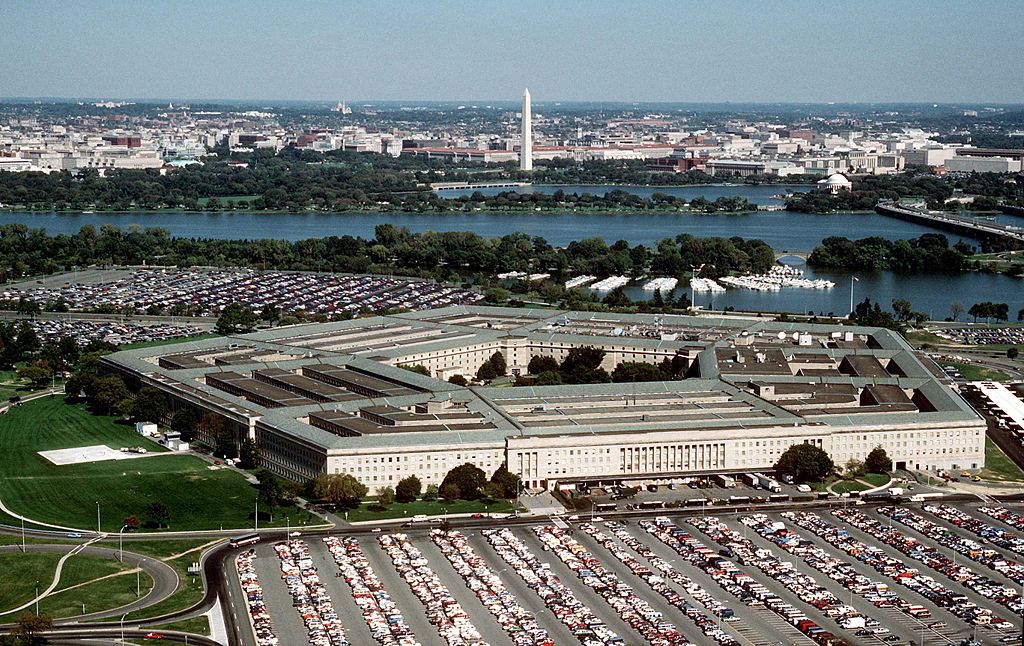
A U.S. appeals court has ruled that the Trump administration may continue enforcing its ban on transgender individuals seeking to enlist in the military while ongoing legal challenges proceed. However, the court also blocked the government from removing currently serving transgender military personnel, marking a significant development in the debate over transgender rights in the armed forces.
In a 2-1 decision issued Monday, the U.S. Court of Appeals for the District of Columbia Circuit determined that the Pentagon can maintain restrictions on new transgender recruits due to its broad authority to establish military enlistment standards. At the same time, the court concluded that forcing active transgender service members out of the military would cause far greater harm than delaying entry for prospective recruits.
Circuit Judge Robert Wilkins, appointed by former President Barack Obama, wrote that ending an established military career would impose a more severe hardship than postponing the start of one. The ruling partially supports an earlier federal court decision that had blocked the entire policy from taking effect.
The case stems from a January 2025 executive order signed by President Donald Trump, which argued that adopting a transgender identity conflicts with military values and readiness. Defense Secretary Pete Hegseth later implemented the order, prompting legal action from transgender service members and advocacy organizations.
LGBTQ rights group GLAD Law, representing the plaintiffs, welcomed the decision. Attorney Jennifer Levi stated that the ruling confirms there is no legitimate justification for dismissing transgender troops who have consistently met military standards and demonstrated their commitment to service.
Judge Justin Walker, a Trump appointee, dissented, arguing that courts lack the expertise and authority to determine military personnel policies.
The decision follows a May 2025 U.S. Supreme Court ruling that allowed the transgender military policy to take effect in a separate case. While the Supreme Court did not provide detailed reasoning, the D.C. Circuit noted that the ruling may have been based on procedural considerations rather than the policy’s legality.
The dispute is part of a broader effort by the Trump administration to roll back federal recognition and accommodations for transgender individuals. The U.S. military currently has approximately 1.3 million active-duty personnel, with estimates placing the number of transgender service members in the thousands.







