


 Norway Opens Corruption Probe Into Former PM and Nobel Committee Chair Thorbjoern Jagland Over Epstein Links
  Trump Endorses Japan’s Sanae Takaichi Ahead of Crucial Election Amid Market and China Tensions
  Trump’s Inflation Claims Clash With Voters’ Cost-of-Living Reality
  US Pushes Ukraine-Russia Peace Talks Before Summer Amid Escalating Attacks
  Federal Judge Restores Funding for Gateway Rail Tunnel Project
  U.S.-India Trade Framework Signals Major Shift in Tariffs, Energy, and Supply Chains
  TrumpRx Website Launches to Offer Discounted Prescription Drugs for Cash-Paying Americans
  Trump Lifts 25% Tariff on Indian Goods in Strategic U.S.–India Trade and Energy Deal
  Nicaragua Ends Visa-Free Entry for Cubans, Disrupting Key Migration Route to the U.S.
  Trump Signs Executive Order Threatening 25% Tariffs on Countries Trading With Iran
  Iran–U.S. Nuclear Talks in Oman Face Major Hurdles Amid Rising Regional Tensions
  Trump Says “Very Good Talks” Underway on Russia-Ukraine War as Peace Efforts Continue
  U.S. Lawmakers to Review Unredacted Jeffrey Epstein DOJ Files Starting Monday
  Jack Lang Resigns as Head of Arab World Institute Amid Epstein Controversy
  Missouri Judge Dismisses Lawsuit Challenging Starbucks’ Diversity and Inclusion Policies
  Trump Backs Nexstar–Tegna Merger Amid Shifting U.S. Media Landscape


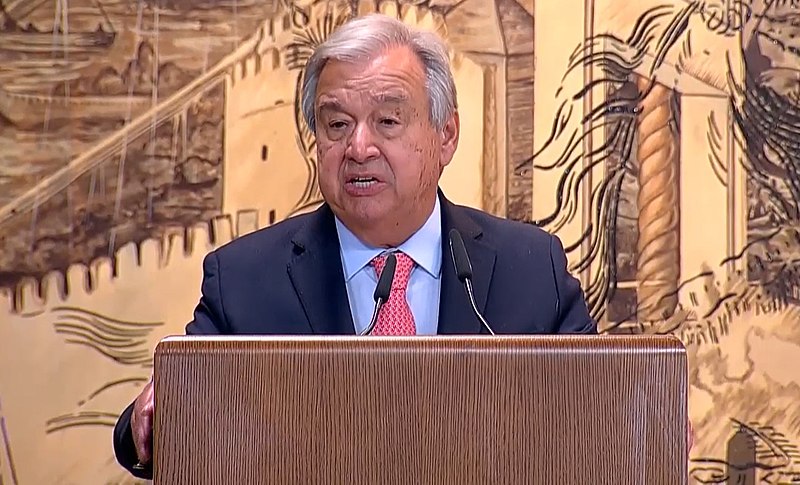
United Nations Secretary-General Antonio Guterres warned that the lack of progress in achieving climate goals so far had the world moving down a “highway to climate hell” in this year’s COP27 climate summit in Egypt. Other world leaders also echoed the warning in their opening remarks.
In remarks to world leaders, diplomats, and delegates at the COP27 Summit in Egypt Monday, Guterres urged an accelerated transition away from fossil fuels while speeding up funding for countries that are already struggling with the impacts of climate change.
Guterres said that the war, strained diplomatic relations between the United States and China – the top emitters of carbon – as well as inflation and tight energy supplies, have threatened to distract the world away from fighting climate change.
“Greenhouse gas emissions keep growing. Global temperatures keep rising. And our planet is fast approaching tipping points that will make climate chaos irreversible,” said Guterres. “We are on a highway to climate hell with our foot on the accelerator.”
Former US Vice President Al Gore was also in attendance and said that world leaders have a credibility problem when it comes to climate change. Gore also criticized the pursuit of gas resources in Africa by developed nations, saying the move was “fossil fuel colonialism.”
French President Emmanuel Macron stressed the importance of sticking to national commitments even in the midst of global crises. British Prime Minister Rishi Sunak also said the war was a reason to speed up the transition away from fossil fuels.
“We will not sacrifice our commitments to the climate due to the Russian threat in terms of energy,” said Macron. “So all countries must continue to uphold all their commitments.”
“Climate security goes hand in hand with energy security. Putin’s abhorrent war in Ukraine and rising energy prices across the world are not a reason to go slow on climate change. They are a reason to act faster,” said Sunak.
A report that was released ahead of the climate talks found that developing countries need to work with rich investors, rich countries, and development banks to get $1 trillion in external financing a year for climate action by the end of the decade and to match the amount with their own funds. The report said that the funding would be used to cut emissions, boost resilience, deal with the damages of climate change, and restore nature and land.













