


 European Stocks Fall as US-Iran Conflict Rekindles Energy Supply Fears
  China EV Truck Boom Accelerates as Iran War Drives Diesel Prices Higher
  White House Withdraws Trump’s National Park Service Nominee Amid Criticism
  U.S. Sanctions Former DR Congo President Joseph Kabila Over Rebel Support
  U.S.-China Beef Trade Deal Hopes Rise Ahead of Trump-Xi Summit
  Rubio Approves $25.8 Billion Weapons Sale to Middle East Allies
  Oil Prices Surge as U.S.-Iran Conflict Threatens Strait of Hormuz Supply Route
  Judge Rules Use of Military Lawyers in Civilian Prosecutions Is Lawful
  New York Moves to Ban Masked Law Enforcement During Immigration Operations
  Wall Street Futures Edge Higher as Iran Tensions and AI Optimism Shape Markets
  Lula and Trump Talks Signal New Phase in Brazil-US Relations
  US Sanctions Target Iran’s Shadow Banking Network and Terror Financing
  Dollar Weakens as Iran Peace Hopes Boost Risk Appetite and Yen Gains Strength
  Gold Prices Hold Firm as Iran Tensions and Dollar Swings Drive Safe-Haven Demand
  China-Made Fireworks Power U.S. Independence Day Celebrations Amid Trade Truce
  Dollar Slips as Strong U.S. Jobs Data Reduces Fed Rate Cut Expectations
  Oil Prices Rise Amid Strait of Hormuz Tensions and U.S.-Iran Ceasefire Uncertainty


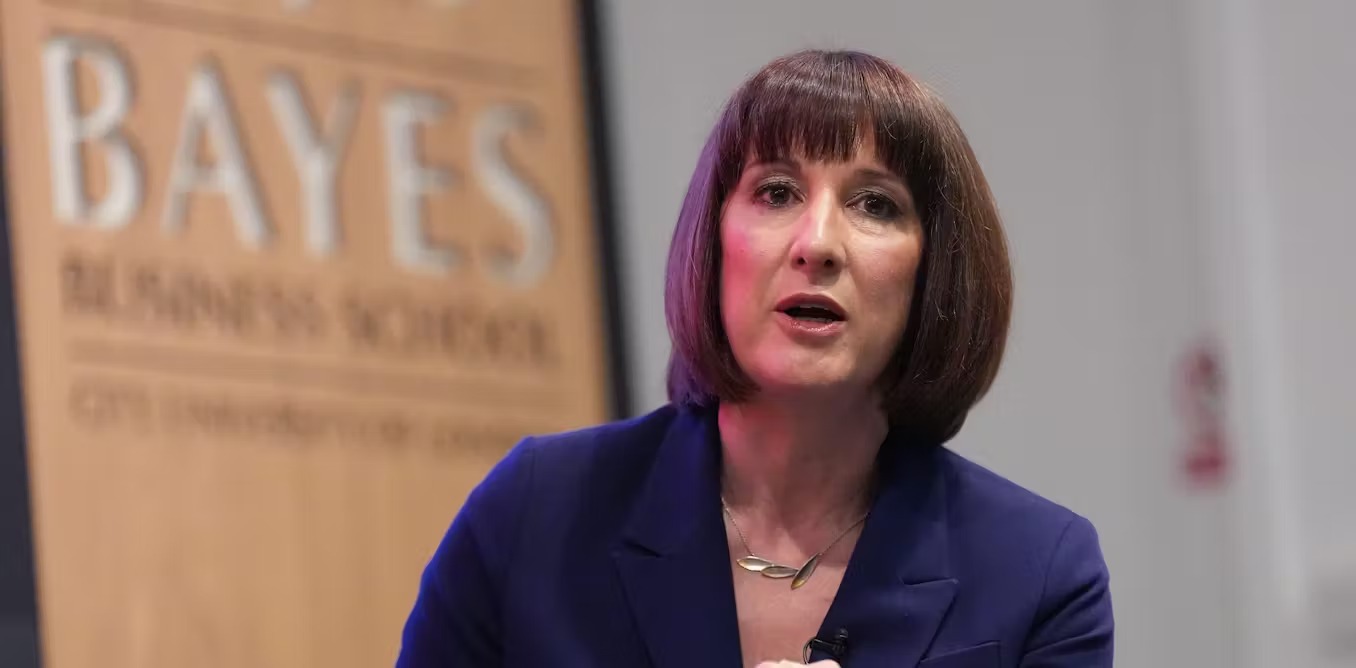
British finance minister Rachel Reeves plans to cut over £2 billion ($2.58 billion) annually from civil service administrative budgets by 2029-30, according to a cabinet office source. The cost-cutting initiative aims to help meet the government’s fiscal rules while shifting funds towards essential public services.
Reeves is expected to unveil the measures next Wednesday in a key budget update, alongside revised economic forecasts from the Office for Budget Responsibility. Under the proposed plan, departmental administration budgets will be reduced by 10% by 2028-29 and 15% by 2029-30.
The spending cuts target back-office functions such as communications, human resources, policy roles, and financial procurement. However, frontline positions, including those in border force and prisons, will be excluded from the reductions.
"To deliver our Plan for Change we will reshape the state so it is fit for the future. We cannot stick to business as usual," said a cabinet office source. “By cutting administrative costs we can target resources at frontline services—with more teachers in classrooms, extra hospital appointments, and police back on the beat.”
The plan, designed to make the government more efficient and financially sustainable, could affect thousands of civil service jobs. Cabinet Office Minister Pat McFadden will formally communicate the changes to departments next week.
These reforms reflect the Labour government’s intent to prioritize public-facing services while ensuring fiscal discipline. As the UK economy faces ongoing pressures, Reeves’ strategy signals a significant shift toward streamlined governance and resource reallocation.
This move could have far-reaching implications for public sector employment and budget planning, as the government works to balance economic recovery with efficient service delivery.







