


 Venezuela Names Paula Henao as New Oil Minister Amid U.S.-Led Industry Overhaul
  U.S.-Israel War on Iran Sends Crude Oil Prices Surging Amid Strait of Hormuz Tensions
  Chinese AI Stocks Surge as Tencent, MiniMax, and Zhipu Launch Agentic AI Programs
  Dollar Steadies as Traders Await Clarity on U.S.-Israel-Iran War
  Bank of Japan Expected to Hold Rates at 0.75% Before June Hike Amid Middle East War Uncertainty
  UK Housing Market Slows Amid Geopolitical Tensions and Mortgage Rate Fears
  U.S. Markets Slip Amid Iran Conflict Uncertainty as Oil Prices Retreat
  IEA Plans Record Emergency Oil Release Amid Iran Strait of Hormuz Crisis
  China's Trade Surplus Surges Past Forecasts in Early 2026
  Oil Prices Surge Toward $100/Barrel After Tanker Attacks in Iraqi Waters
  German Exports Drop 2.3% in January, Exceeding Forecast Decline
  Asian Stock Markets Rise as Oil Prices Pull Back; U.S. CPI in Focus
  Dollar Stabilizes Amid Iran War Uncertainty as Oil Prices Remain Elevated
  Diesel Price Surge Threatens Global Economy Amid Middle East Conflict
  Asian Markets Retreat as Oil Prices Surge Toward $100 Amid Middle East Tensions
  U.S. Futures Slide as Oil Prices Surge on Middle East Shipping Attacks
  Gold Prices Climb Above $5,200 as Iran War Uncertainty and Inflation Data Loom


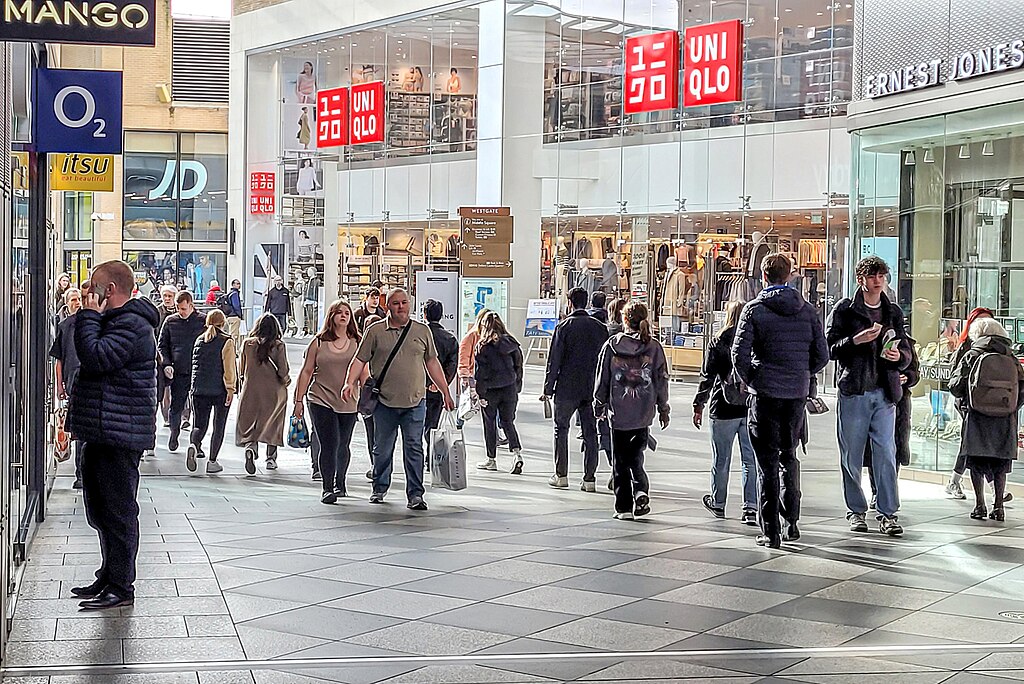
British retail prices rose at a faster pace last month, and retailers may find it difficult to prevent further price increases in 2026 as cost pressures continue to build, according to the British Retail Consortium (BRC). The latest data highlights ongoing challenges for the UK retail sector as inflation remains persistent despite some easing factors.
Annual shop price inflation increased to 0.7% in December, up slightly from 0.6% in November and broadly in line with the three-month average, the BRC reported. This modest rise suggests that while inflation is not accelerating sharply, downward pressure on prices remains limited. Food prices were a key driver, with annual food inflation climbing to 3.3% in December from 3.0% the previous month. In contrast, non-food prices continued to fall, declining by 0.6% year-on-year, matching November’s pace of decrease.
Helen Dickinson, Chief Executive of the British Retail Consortium, said retailers will continue to do everything possible to keep prices low for consumers. However, she warned that while falling energy costs and improved crop supplies may help ease some pressures, rising public policy costs and increased regulation are likely to keep inflation “sticky” in the months ahead. These structural cost increases are making it harder for retailers to absorb expenses without passing them on to shoppers.
One major factor adding to retailer costs is the planned rise in Britain’s minimum wage. From April, the minimum wage will increase by 4.1% to £12.71 per hour, significantly raising staff expenses for businesses across the retail sector. Employers are also still adjusting to higher costs introduced in Finance Minister Rachel Reeves’ first budget in October 2024, which added further financial strain.
The Bank of England is closely monitoring food price inflation, as it believes food costs play an important role in shaping consumer inflation expectations. Although the UK’s overall consumer price inflation eased to 3.2% in November, persistent food inflation could slow progress toward price stability.
Looking ahead, the combination of rising wages, regulatory costs, and cautious consumer demand suggests UK retailers may face continued pricing challenges well into 2026, keeping shop price inflation firmly in focus for policymakers and households alike.













