


 Gold Prices Surge on U.S.-Iran Ceasefire Reports
  Currency Markets Show Caution Amid U.S.-Iran Negotiations
  Wall Street Slides as Iran War Uncertainty, Oil Surge, and AI Fears Rattle Markets
  Japan's Private Sector Growth Slows in March Amid Rising Costs and Middle East Uncertainty
  Oil Prices Rebound as Iran Denies U.S. Talks, Middle East Tensions Persist
  Federal Reserve Balance Sheet Reduction: Brookings Research Outlines Possible Path Forward
  Bank of Japan Officials Signal Continued Interest Rate Hikes Amid Inflation Concerns
  Asian Stocks Gain Amid Iran Conflict Uncertainty
  UK Consumer Confidence Weakens Amid Middle East Conflict and Rising Living Costs
  Asian Currencies Weaken as Dollar Rebounds Amid Middle East Uncertainty and Japan Inflation Data
  Australia-EU Free Trade Deal Signed After Years of Negotiations
  Oil Prices Plunge Over 6% as Middle East Ceasefire Hopes Ease Supply Fears
  U.S. Oil Prices Slide as Middle East Ceasefire Talks Spark Market Optimism
  Iran-Israel Missile Strikes Continue Amid Mixed Signals on U.S.-Iran Diplomacy
  Japan Eyes Oil Futures Intervention to Stabilize Yen Amid Middle East Crisis


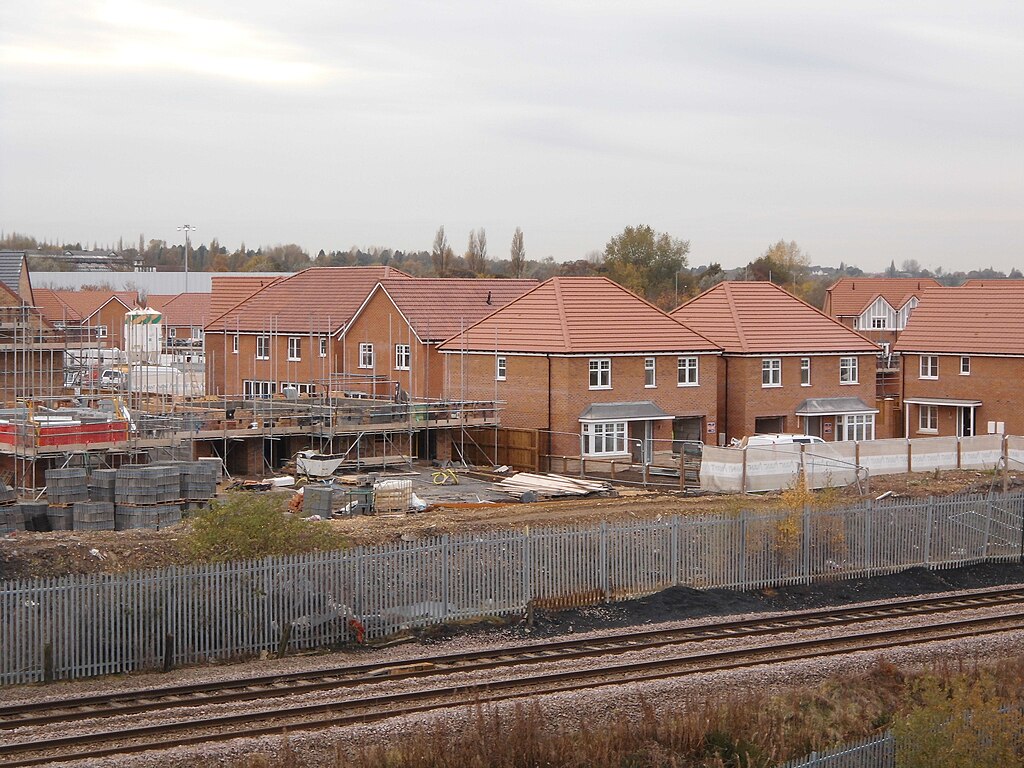
UK housing prices have reached a new record, with asking prices for homes listed between March 9 and April 5 rising 1.3% year-on-year to an average of £377,182 ($494,448), according to property site Rightmove. This marks a 1.4% increase from the previous month—an unusually strong gain for this time of year.
The property market’s resilience comes despite the recent expiration of a temporary tax break that had previously boosted sales. While the number of completed transactions dipped following the March deadline, market activity remains strong. Buyer inquiries are up 5% and the number of homes listed has grown 4% compared to the same period last year, indicating sustained demand and increased inventory.
Colleen Babcock, a spokesperson from Rightmove, noted that greater housing choice is encouraging more people to buy and sell, fueling momentum in the real estate sector.
This positive outlook contrasts with recent figures from mortgage lender Halifax, which reported a 0.5% monthly decline in house prices, and Bank of England data showing mortgage approvals at a six-month low. Buyers had previously rushed to finalize deals before the tax break ended.
Rightmove also highlighted the potential impact of U.S. President Donald Trump’s tariff strategy on the UK housing market. If tariffs drive the Bank of England to accelerate interest rate cuts, it could further stimulate buyer activity.
Currently, the average five-year fixed mortgage rate has eased slightly to 4.72% from 4.84% a year ago. Financial markets now anticipate three rate cuts in 2025, up from two previously expected, offering possible relief for homebuyers.
Despite mixed signals, the UK housing market remains resilient, with rising prices and buyer interest suggesting continued strength in the months ahead.













