


 ANZ and Westpac Forecast Two RBA Rate Hikes in March and May 2026
  U.S. Solar Market Contracts in 2025 as Trump Rolls Back Renewable Energy Incentives
  German Exports Drop 2.3% in January, Exceeding Forecast Decline
  Trump Administration Launches Trade Investigations Against 16 Countries Over Industrial Overcapacity
  Asian Stock Markets Rise as Oil Prices Pull Back; U.S. CPI in Focus
  Nations will release an extra 400 million barrels of oil to the market. All we need to do now is not panic at the pump
  Iran-U.S. Oil Tensions Escalate as Revolutionary Guards Threaten Strait of Hormuz Blockade
  U.S.-Israel War on Iran Sends Crude Oil Prices Surging Amid Strait of Hormuz Tensions
  RBA Rate Decision: Deputy Governor Signals Genuine Debate Ahead of March Meeting
  IEA Plans Record Emergency Oil Release Amid Iran Strait of Hormuz Crisis
  Dollar Steadies as Traders Await Clarity on U.S.-Israel-Iran War
  U.S. Futures Slide as Oil Prices Surge on Middle East Shipping Attacks
  Venezuela Names Paula Henao as New Oil Minister Amid U.S.-Led Industry Overhaul
  Dollar Stabilizes Amid Iran War Uncertainty as Oil Prices Remain Elevated
  Iran-Israel War Sparks Global Oil Crisis as Tankers Burn in Gulf Waters
  Gold Prices Slip as U.S.-Israel-Iran War Fuels Dollar and Oil Demand


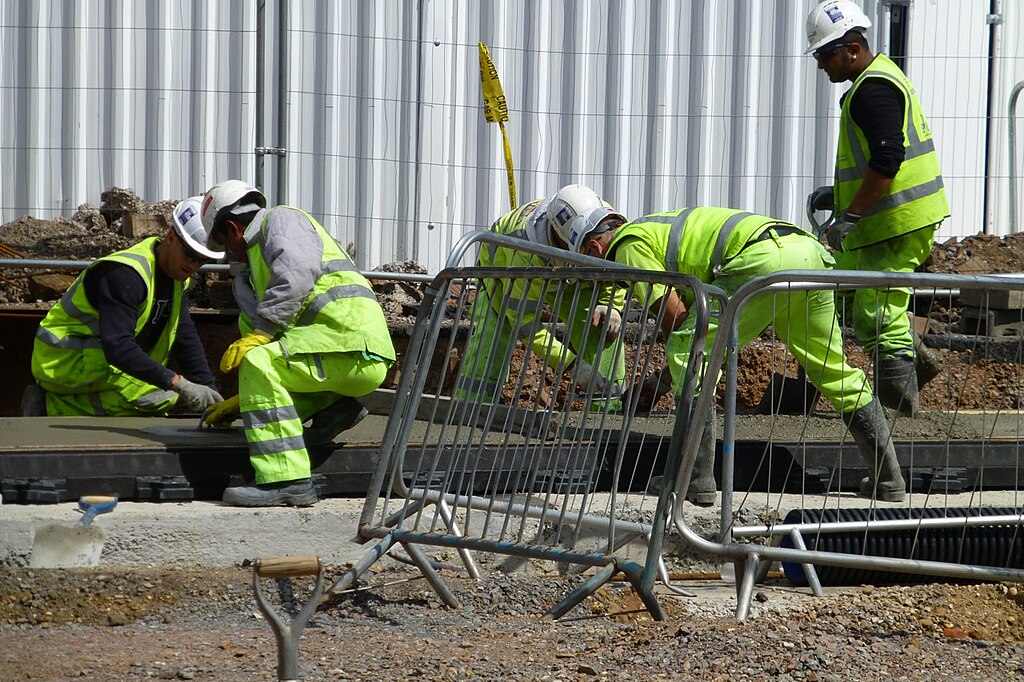
Vacancies for jobs in Britain continued to decline in December, reinforcing growing evidence that the UK labour market is cooling after several years of tight conditions. According to the latest survey from online jobs portal Adzuna, the number of advertised roles fell to 716,791 in December, down from 745,448 in November. This represents a 15% year-on-year decline and marks the weakest full-year performance for job vacancies since 2020, when the COVID-19 pandemic severely disrupted hiring activity.
December marked the sixth consecutive month of falling vacancies, suggesting that hiring momentum is slowing across the UK economy. Adzuna noted that competition for roles has intensified as employers reduced recruitment plans, with the usual year-end uplift in hiring failing to materialise. Many of the UK’s largest sectors experienced slower hiring, adding to concerns about a deteriorating jobs market despite tentative signs of improving economic activity among businesses and consumers.
While overall hiring remained subdued, there were early indications of recovery in graduate and entry-level roles. Adzuna co-founder Andrew Hunter described these developments as potential “green shoots” for the year ahead, offering some optimism for younger workers and new labour market entrants.
Wage growth also showed signs of easing. Adzuna’s survey revealed that average advertised salaries were 6.8% higher than a year earlier, down from a 7.7% annual increase recorded in November. This moderation in pay growth is being closely monitored by Bank of England policymakers, who are assessing labour market conditions and wage pressures as part of their decisions on interest rates and inflation control. Slowing wage growth could reduce inflationary pressures but may also limit the scope for repeated interest rate cuts in 2026.
Additional data from the Confederation of British Industry (CBI) painted a similar picture of cautious optimism. The CBI’s growth indicator for the next three months improved to -20 from -30 in December, while its measure of activity over the past three months remained deeply negative. According to the CBI, businesses continue to face fragile confidence, cautious spending, and households that are increasingly downtrading, underscoring ongoing uncertainty in the UK economy.













