


 China Warns US Arms Sales to Taiwan Could Disrupt Trump’s Planned Visit
  Trump Backs Nexstar–Tegna Merger Amid Shifting U.S. Media Landscape
  Pentagon Ends Military Education Programs With Harvard University
  Trump Signs “America First Arms Transfer Strategy” to Prioritize U.S. Weapons Sales
  Bosnian Serb Presidential Rerun Confirms Victory for Dodik Ally Amid Allegations of Irregularities
  US Pushes Ukraine-Russia Peace Talks Before Summer Amid Escalating Attacks
  U.S. to Begin Paying UN Dues as Financial Crisis Spurs Push for Reforms
  Trump Signs Executive Order Threatening 25% Tariffs on Countries Trading With Iran
  Trump Lifts 25% Tariff on Indian Goods in Strategic U.S.–India Trade and Energy Deal
  Trump Endorses Japan’s Sanae Takaichi Ahead of Crucial Election Amid Market and China Tensions
  Antonio José Seguro Poised for Landslide Win in Portugal Presidential Runoff
  Trump’s Inflation Claims Clash With Voters’ Cost-of-Living Reality
  Japan Election 2026: Sanae Takaichi Poised for Landslide Win Despite Record Snowfall
  TrumpRx.gov Highlights GLP-1 Drug Discounts but Offers Limited Savings for Most Americans
  U.S.-India Trade Framework Signals Major Shift in Tariffs, Energy, and Supply Chains
  Iran–U.S. Nuclear Talks in Oman Face Major Hurdles Amid Rising Regional Tensions
  India–U.S. Interim Trade Pact Cuts Auto Tariffs but Leaves Tesla Out


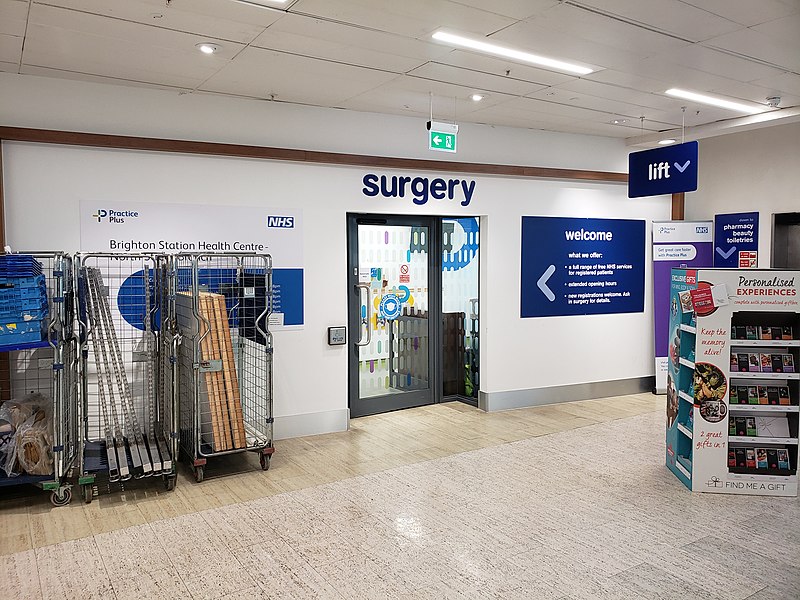
The British government has faced surges of strikes among workers of key sectors over pay. This week, the government has reached an agreement with healthcare unions on a pay proposal for the coming year.
On Thursday, the British government and healthcare unions came to an agreement on a pay proposal that included a five percent increase in wages in the coming year. The proposal, if accepted by the workers, could potentially put an end to strikes that have disrupted operations in the National Health Service for months.
The proposal would cover one million nurses, paramedics, midwives, and other workers in the United Kingdom for two years through early April of 2024. The strikes will end only if the members approve the deal after a period of consultation with the trade unions. Almost all the trade unions have recommended that the new offer be accepted.
“This offer is good for NHS staff, it’s good for the taxpayer, and most importantly, it is good news for patients whose care will no longer be disrupted by strike action,” said Prime Minister Rishi Sunak, who is under pressure to ease the surges of strikes by trade unions of different key sectors across the country.
Both sides believe that the new offer is a “fair and reasonable settlement.” However, the deal does not apply to junior doctors who are in a separate dispute. The new offer includes a one-off payment of two percent of 2022/2023 salaries and a five percent pay increase for 2023/2024, which starts in early April next year.
Aside from the healthcare unions, on Friday, the British government and education trade unions issued a joint statement announcing that they have agreed to start “intensive talks” that will focus on pay, working conditions, and workload reduction. This follows the walkouts by teachers from government-funded schools across the country, marking the latest strikes by the public education sector that have disrupted life for millions.
The talks will start on Friday and continue over the weekend. The National Education Union said it would pause any new strikes for two weeks for a “period of calm.”













