


 Iran-U.S. Oil Tensions Escalate as Revolutionary Guards Threaten Strait of Hormuz Blockade
  Pentagon Taps Wall Street Talent to Manage $200 Billion Defense Investment Fund
  Trump Administration Launches Trade Investigations Against 16 Countries Over Industrial Overcapacity
  Iran Mines Strait of Hormuz: Crude Oil Prices Surge Amid Middle East Tensions
  U.S. Patriot Missiles Redeployed From South Korea Amid Middle East Conflict
  Iran's Government Remains Stable Despite U.S. and Israeli Strikes, Intelligence Shows
  Trump Doubts Iran Mining Reports as Strait of Hormuz Tensions Escalate
  Iran-Israel War Sparks Global Oil Crisis as Tankers Burn in Gulf Waters
  U.S. and Russia Hold Diplomatic Talks in Florida Amid Ongoing Tensions
  After the Iran war, Persian Gulf nations face tough decisions on the US – a former diplomat explains
  Taiwan's MQ-9B SkyGuardian Drone Order Stays on Schedule Despite Middle East Conflict
  Venezuela Names Paula Henao as New Oil Minister Amid U.S.-Led Industry Overhaul
  Trump Hints at Possible U.S. Takeover of Cuba Amid Deepening Humanitarian Crisis
  Mexico's Electoral Reform Bill Fails in Congress as Coalition Fractures
  Trump Administration Spent $5.6 Billion in Munitions in Opening Days of Iran Strikes
  Shots Fired at U.S. Consulate in Toronto in Suspected National Security Incident


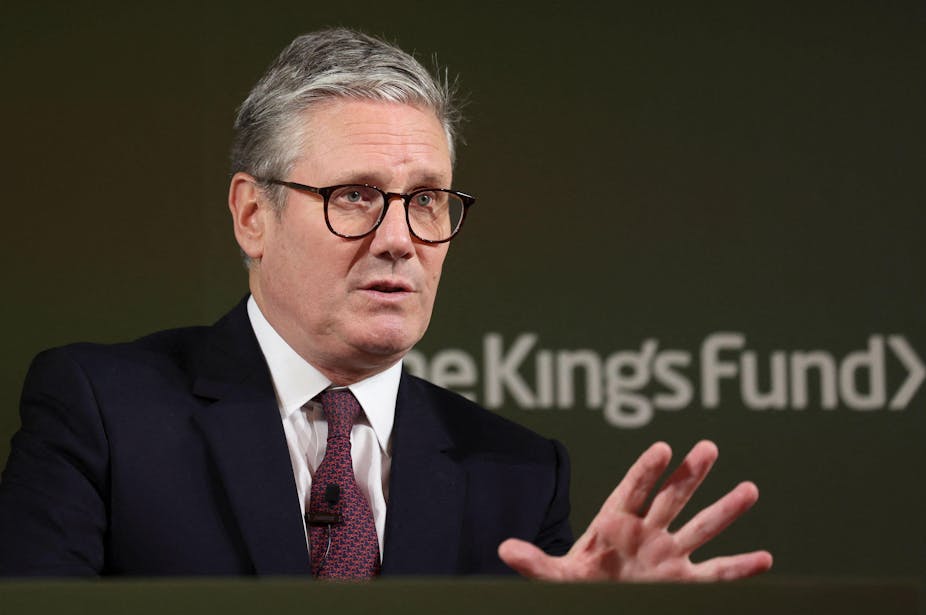
British Prime Minister Keir Starmer announced that the United Kingdom has agreed to a U.S. request to use British military bases for limited defensive strikes targeting Iranian missile storage depots and launchers. The decision comes amid rising tensions in the Middle East following joint U.S.-Israel air strikes that reportedly killed Iran’s Supreme Leader, Ayatollah Ali Khamenei.
In a video statement shared on X, Starmer emphasized that the UK was not involved in the U.S.-Israel offensive operations against Iran and will not participate in additional strike waves. However, he confirmed that Britain approved the American request to prevent Iran from launching further missile attacks across the region. According to Starmer, the move is designed to protect British citizens, key regional allies, and vital interests from escalating Iranian retaliation.
Iran has reportedly launched sustained missile attacks targeting multiple locations, including airports and hotels where British nationals were present. Starmer stated that these actions directly threaten UK interests and put British lives at significant risk. Gulf allies have also urged Britain to strengthen regional defense efforts in response to Iran’s military actions.
British fighter jets are already engaged in coordinated defensive operations and have intercepted Iranian missiles, demonstrating the UK’s active role in regional security. However, Starmer argued that intercepting missiles alone is not enough. Neutralizing missile stockpiles and launch systems at their source is necessary to effectively reduce the threat.
The Prime Minister underscored that the UK’s decision aligns with international law and is rooted in the principle of collective self-defense. While Britain continues to advocate for a negotiated settlement and urges Iran to abandon any ambitions of developing nuclear weapons, it remains committed to defending British lives and supporting long-standing allies in the face of ongoing regional instability.













