


 Japan Election 2026: Sanae Takaichi Poised for Landslide Win Despite Record Snowfall
  Trump Says “Very Good Talks” Underway on Russia-Ukraine War as Peace Efforts Continue
  Trump Allows Commercial Fishing in Protected New England Waters
  Norway Opens Corruption Probe Into Former PM and Nobel Committee Chair Thorbjoern Jagland Over Epstein Links
  China Warns US Arms Sales to Taiwan Could Disrupt Trump’s Planned Visit
  U.S. to Begin Paying UN Dues as Financial Crisis Spurs Push for Reforms
  Trump Signs “America First Arms Transfer Strategy” to Prioritize U.S. Weapons Sales
  U.S. Announces Additional $6 Million in Humanitarian Aid to Cuba Amid Oil Sanctions and Fuel Shortages
  India–U.S. Interim Trade Pact Cuts Auto Tariffs but Leaves Tesla Out
  TrumpRx Website Launches to Offer Discounted Prescription Drugs for Cash-Paying Americans
  Nighttime Shelling Causes Serious Damage in Russia’s Belgorod Region Near Ukraine Border
  South Korea Assures U.S. on Trade Deal Commitments Amid Tariff Concerns
  Trump Signs Executive Order Threatening 25% Tariffs on Countries Trading With Iran
  Federal Judge Restores Funding for Gateway Rail Tunnel Project
  Iran–U.S. Nuclear Talks in Oman Face Major Hurdles Amid Rising Regional Tensions
  Trump Backs Nexstar–Tegna Merger Amid Shifting U.S. Media Landscape


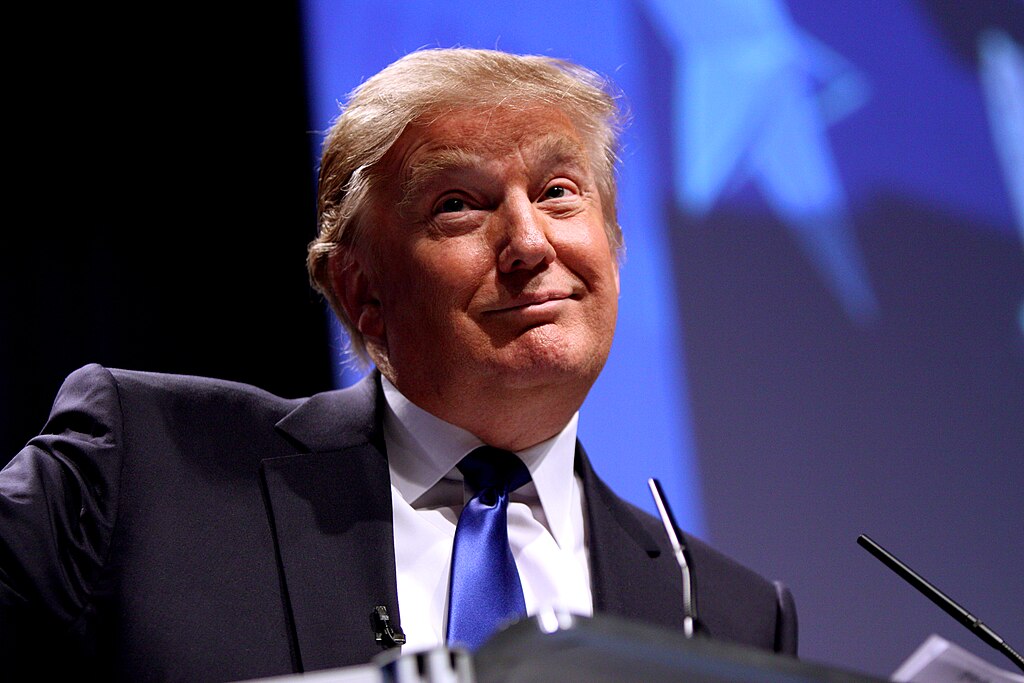
President Donald Trump’s proposal to relocate Palestinians from Gaza and have the U.S. oversee its reconstruction has ignited global criticism. His vision of transforming the war-torn enclave into the "Riviera of the Middle East" faced immediate pushback from world powers like Russia, China, Germany, and regional heavyweight Saudi Arabia.
At a White House briefing, Press Secretary Karoline Leavitt defended the plan as "outside-the-box thinking" but clarified that U.S. troops would not necessarily be deployed. Secretary of State Marco Rubio echoed this, emphasizing the relocation would be temporary for rebuilding efforts. However, Trump’s statement that over 2 million Palestinians should be resettled permanently fueled accusations of ethnic cleansing and potential violations of international law.
Critics within the U.S. expressed skepticism, with Republican Senator Rand Paul questioning the policy’s alignment with Trump’s “America First” stance. Trump, however, insisted that “everybody loves it.” Meanwhile, Palestinians in Gaza rejected the idea outright, vowing to remain despite the devastation.
Netanyahu remained cautious, while Saudi Arabia reaffirmed its rejection of any displacement of Palestinians. Trump’s proposal also raises questions about the potential normalization of Saudi-Israeli relations, which Riyadh has conditioned on the establishment of a Palestinian state.
Hamas condemned the plan as “ridiculous,” warning it could further destabilize the region. The United Nations also urged adherence to international law, with Secretary-General Antonio Guterres cautioning against any form of forced displacement.
With global opposition mounting, it remains unclear whether Trump’s proposal is a serious policy shift or a strategic bargaining ploy. However, the controversy surrounding it underscores the ongoing complexity of the Israeli-Palestinian conflict.













