


 Asian Stocks End Strong Quarter as Dollar Surges, Yen Hits 40-Year Low Ahead of US Jobs Data
  RBA Minutes Signal Australia Central Bank Remains Ready to Raise Interest Rates if Inflation Persists
  World Bank Approves $1.1 Billion Emergency Funding for Bangladesh Amid Food and Energy Price Pressures
  Trump Signs Memorandum Backing Americans’ Right to Repair Their Own Vehicles
  Maria Corina Machado Vows Return to Venezuela After Earthquakes Despite Obstacles
  China Sets 1.25% Overnight Reverse Repo Rate Below Market Expectations
  China Manufacturing PMI Edges Higher in June as Exports and AI Investment Boost Growth
  Trump Suspends Some Morocco Fertilizer Tariffs to Ease U.S. Supply Shortage
  Despite its best efforts, Iran won’t be able to toll the Strait of Hormuz. Here’s why
  Gold Price Hits Annual Low as Fed Rate Hike Bets and Sticky Inflation Weigh on Bullion
  Dollar Slips Ahead of Key U.S. Jobs Data as Fed Rate Outlook, ECB, and Iran Talks Shape Forex Markets
  Canada Grants C$7 Million to Greenland Molybdenum Mine to Strengthen Critical Minerals Supply
  Israeli Airstrike Kills Three in Central Gaza Despite Ceasefire
  Trump Questions Housing Bill as He Prioritizes SAVE America Act
  US, Iran Agree to Halt Attacks Ahead of Doha Talks on Strait of Hormuz
  Serbia President Aleksandar Vucic to Resign, Calls Early Elections After Months of Protests
  Asian Currencies Stay Range-Bound as Investors Eye China Data, RBNZ Outlook and U.S.-Iran Ceasefire


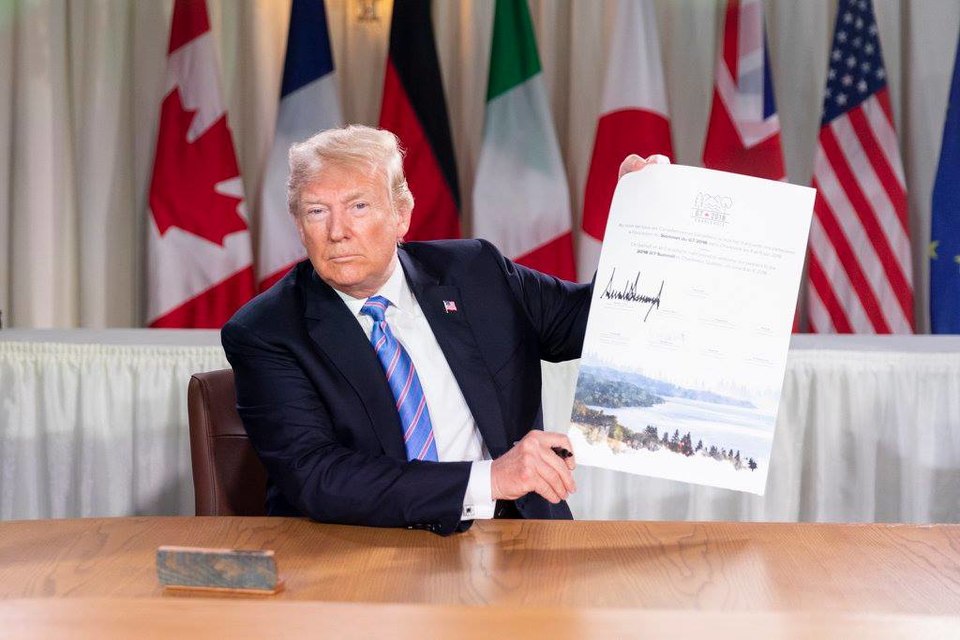
President Donald Trump has unveiled a bold federal budget proposal for fiscal year 2027, signaling a dramatic realignment of national spending priorities. The plan centers on a significant expansion of military funding while trimming non-defense discretionary expenditures by 10%, reflecting the administration's firm commitment to national security over broader domestic programs.
At the heart of the proposal is a staggering $1.5 trillion in total defense budgetary resources, accompanied by a $500 billion increase in military spending. These funds are earmarked for high-priority initiatives including the ambitious "Golden Dome" missile defense program, critical minerals stockpile development, and a major expansion of domestic shipbuilding capacity — all aimed at reinforcing America's strategic and defense posture on the global stage.
Service members stand to benefit directly from the proposal, with military personnel slated to receive a pay raise ranging from 5% to 7%, acknowledging the sacrifices of those serving in uniform.
On the domestic security front, the budget calls for a 15% increase in federal law enforcement funding, bringing the total to $19 billion. This reflects a broader White House emphasis on internal security and border enforcement. Conversely, the administration is pushing to eliminate nearly 30 Department of Justice grant programs, citing redundancy and misalignment with current presidential priorities.
Infrastructure also receives targeted investment, with $4 billion directed toward the Federal Aviation Administration to modernize the nation's aging air traffic control system — a move expected to improve aviation safety and operational efficiency nationwide.
As is customary with presidential budget proposals, Trump's FY2027 plan must still clear Congress, where bipartisan negotiations will ultimately shape the final legislation. While the document sets a strong policy tone, it serves primarily as a framework for the broader budgetary debate ahead.







