


 U.S. Patriot Missiles Redeployed From South Korea Amid Middle East Conflict
  Trump Announces New U.S. Oil Refinery in Texas with Indian Energy Giant Reliance
  Mexico's Electoral Reform Bill Fails in Congress as Coalition Fractures
  Trump Hints at Possible U.S. Takeover of Cuba Amid Deepening Humanitarian Crisis
  Iran's Government Remains Stable Despite U.S. and Israeli Strikes, Intelligence Shows
  Bipartisan Housing Bill Advances in Senate, Aims to Tackle U.S. Affordability Crisis
  Trump Administration Spent $5.6 Billion in Munitions in Opening Days of Iran Strikes
  Venezuela Names Paula Henao as New Oil Minister Amid U.S.-Led Industry Overhaul
  After the Iran war, Persian Gulf nations face tough decisions on the US – a former diplomat explains
  Japan's BOJ Independence Under Fire as PM Takaichi's Rate Stance Draws Political Heat
  Russian Drone Strikes Hit Kharkiv and Dnipro, Injuring Over 20 Civilians
  U.S. Senate Greenlights AI Chatbots for Official Staff Use
  U.S. and Russia Hold Diplomatic Talks in Florida Amid Ongoing Tensions
  Trump Doubts Iran Mining Reports as Strait of Hormuz Tensions Escalate
  Taiwan's MQ-9B SkyGuardian Drone Order Stays on Schedule Despite Middle East Conflict
  Trump-Putin Call Addresses Iran War, Ukraine Peace, and Global Oil Crisis
  Pentagon Taps Wall Street Talent to Manage $200 Billion Defense Investment Fund


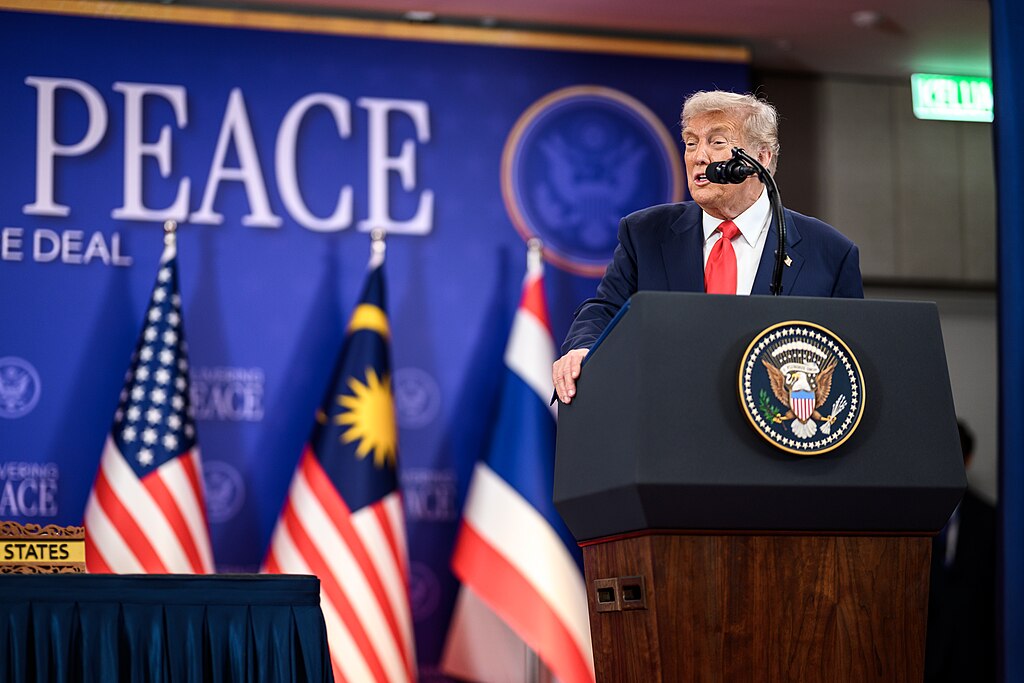
Several key countries across the Middle East and Asia have formally accepted invitations to join U.S. President Donald Trump’s newly announced “Board of Peace,” an initiative aimed at addressing and resolving global conflicts. According to a joint statement released by the Saudi Arabian foreign ministry, Saudi Arabia, Turkey, Egypt, Jordan, Indonesia, Pakistan, and Qatar have agreed to become members of the proposed body. The statement also included confirmation of participation from the United Arab Emirates, underscoring broad regional engagement.
The joint declaration noted that each participating country will proceed with signing accession documents in line with its own domestic legal and constitutional procedures. This signals that while political agreement has been reached, formal membership will be finalized through established national processes. Separately, Kuwait’s foreign ministry confirmed that Kuwait has also accepted the invitation to join the Board of Peace, further expanding the list of supporting nations.
President Trump has reportedly extended invitations to dozens of world leaders as part of what his administration describes as a new diplomatic framework designed to promote dialogue, de-escalation, and conflict resolution on a global scale. Supporters of the initiative argue that the Board of Peace could offer an alternative platform for negotiations, especially in regions facing prolonged instability, and could enhance multilateral cooperation outside traditional diplomatic structures.
However, the initiative has also sparked concern among diplomats and international policy experts. Some warn that the creation of a U.S.-led peace body could undermine or duplicate the role of the United Nations, potentially weakening existing international mechanisms for conflict resolution. Critics suggest that bypassing established institutions may create fragmentation in global diplomacy and raise questions about legitimacy, inclusiveness, and long-term effectiveness.
Despite these concerns, the acceptance by major regional players highlights growing interest in new diplomatic approaches amid shifting geopolitical dynamics. As more countries consider joining Trump’s Board of Peace, global attention will focus on how the initiative is structured, how it interacts with existing international institutions, and whether it can deliver tangible outcomes in resolving global conflicts.













