


 Israel Eyes Litani River as New Border Amid Escalating Lebanon Offensive
  Trump Tariffs Show Minimal Economic Impact but Boost Federal Revenue, Study Finds
  Bachelet Pushes Forward With UN Secretary-General Bid Despite Chile's Withdrawal
  UK Consumer Confidence Weakens Amid Middle East Conflict and Rising Living Costs
  U.S. Oil Prices Slide as Middle East Ceasefire Talks Spark Market Optimism
  Trump's Overhaul of American History: Museums, Monuments, and Cultural Institutions
  Currency Markets Show Caution Amid U.S.-Iran Negotiations
  Asian Stocks Gain Amid Iran Conflict Uncertainty
  Suspicious Oil Market Trades Precede Trump's Iran Peace Post by 15 Minutes
  Japan Eyes Oil Futures Intervention to Stabilize Yen Amid Middle East Crisis
  Trump Votes by Mail Despite Calling It "Cheating" as Democrat Wins Mar-a-Lago District
  Wall Street Slides as Iran War Uncertainty, Oil Surge, and AI Fears Rattle Markets
  Kristi Noem Ends Western Hemisphere Tour in Diminished Role After DHS Firing
  Trump to Visit China in May for High-Stakes Xi Summit Amid Iran War
  Trump Administration Settles Lawsuit Barring Federal Agencies from Pressuring Social Media Censorship
  Australia-EU Free Trade Deal Signed After Years of Negotiations


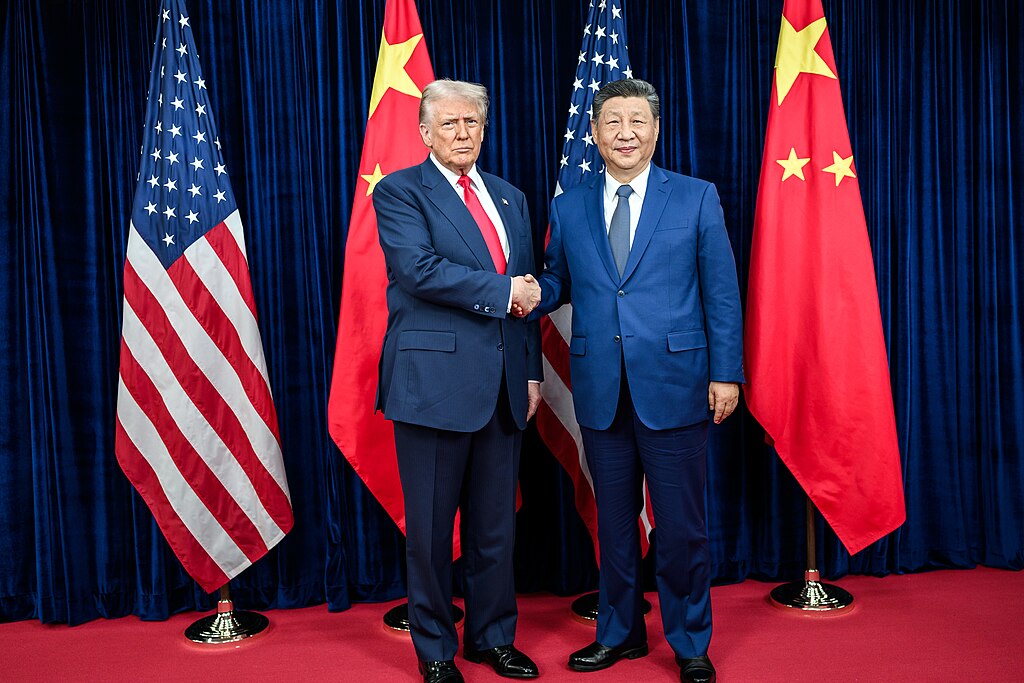
The White House has released details of a new trade agreement between U.S. President Donald Trump and Chinese President Xi Jinping, marking a major step toward easing the ongoing U.S.-China trade war. The deal, finalized in Busan, South Korea, includes tariff reductions, the suspension of Chinese export controls on rare earth minerals, and renewed agricultural purchases, extending a fragile trade truce for about a year.
Under the agreement, the U.S. will halve its 20% tariff on Chinese goods related to fentanyl precursor chemicals, lowering it to 10%. This move reduces the overall tariff rate on Chinese imports to approximately 47% from 57%. In exchange, China will pause its newly announced restrictions on exports of rare earth minerals, gallium, germanium, antimony, and graphite—critical materials for industries like defense, automotive, and technology.
Beijing will also suspend all retaliatory tariffs imposed since March, including those targeting key U.S. agricultural exports such as soybeans, corn, pork, and dairy products. Additionally, China agreed to lift non-tariff measures affecting American companies and terminate antitrust and anti-dumping investigations into U.S. semiconductor firms.
The U.S. will pause new export controls on Chinese technology companies and delay new port fees for Chinese-built and -flagged vessels for one year, helping stabilize global shipping routes.
A major component of the deal includes China’s commitment to purchase at least 12 million metric tons of U.S. soybeans by the end of 2025 and 25 million tons annually for the next three years, restoring trade flows that had been disrupted since 2024.
Both nations also pledged to cooperate on curbing the illegal fentanyl trade, with China agreeing to tighten controls on precursor chemicals. The agreement signals renewed diplomatic engagement between the world’s two largest economies and a pause in years of escalating trade tensions.













