


 Trump-Putin Call Addresses Iran War, Ukraine Peace, and Global Oil Crisis
  U.S.-Israel War on Iran Sends Crude Oil Prices Surging Amid Strait of Hormuz Tensions
  Taiwan's MQ-9B SkyGuardian Drone Order Stays on Schedule Despite Middle East Conflict
  Anthropic Sues Pentagon Over AI Blacklist, Citing Free Speech Violations
  Trump Administration Spent $5.6 Billion in Munitions in Opening Days of Iran Strikes
  U.S. Patriot Missiles Redeployed From South Korea Amid Middle East Conflict
  Japan's BOJ Independence Under Fire as PM Takaichi's Rate Stance Draws Political Heat
  Shots Fired at U.S. Consulate in Toronto in Suspected National Security Incident
  Venezuela Names Paula Henao as New Oil Minister Amid U.S.-Led Industry Overhaul
  After the Iran war, Persian Gulf nations face tough decisions on the US – a former diplomat explains
  Ukraine Strikes Russian Missile Component Factory in Bryansk Using British Weapons
  Iran-U.S. Oil Tensions Escalate as Revolutionary Guards Threaten Strait of Hormuz Blockade
  Trump Announces New U.S. Oil Refinery in Texas with Indian Energy Giant Reliance
  Iran-Israel War Sparks Global Oil Crisis as Tankers Burn in Gulf Waters
  Iran Mines Strait of Hormuz: Crude Oil Prices Surge Amid Middle East Tensions
  U.S. and Russia Hold Diplomatic Talks in Florida Amid Ongoing Tensions
  Trump Hints at Possible U.S. Takeover of Cuba Amid Deepening Humanitarian Crisis


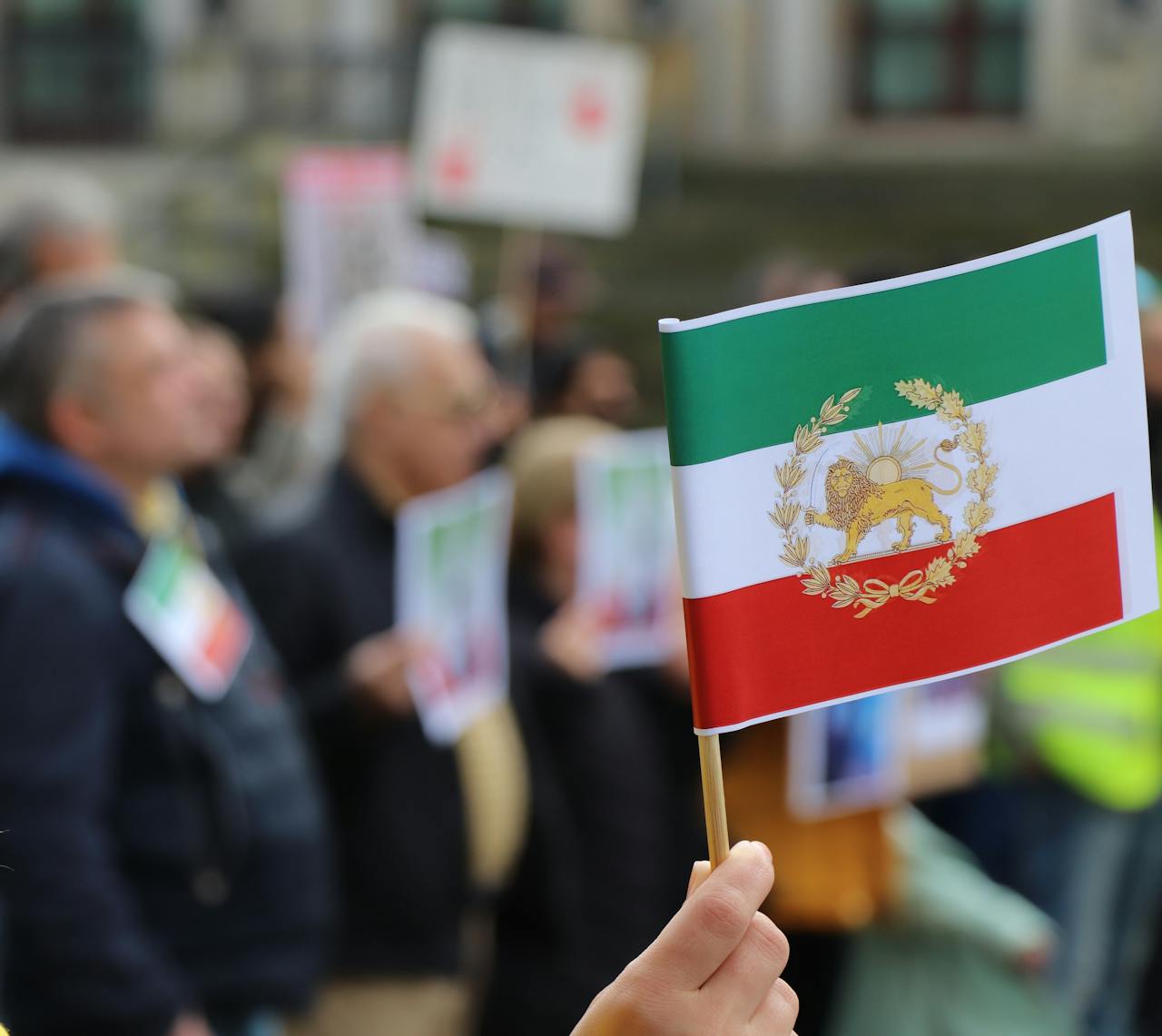
U.S. President Donald Trump is reportedly considering a potential military strike against Iran in the coming days, according to a New York Times report citing officials familiar with internal White House discussions. The move would aim to increase pressure on Tehran over its nuclear program if ongoing diplomatic efforts fail to limit Iran’s nuclear ambitions.
Sources indicate that Trump has discussed launching a limited, targeted strike as an initial step. The objective would be to compel Iran to scale back or abandon its nuclear weapons capability. Possible targets under review include facilities tied to Iran’s Islamic Revolutionary Guard Corps (IRGC), key nuclear infrastructure sites, and elements of the country’s ballistic missile program. While no final decision has been made, the president is said to be leaning toward demonstrating military resolve should negotiations break down.
Diplomatic talks between U.S. and Iranian negotiators are scheduled to take place in Geneva on Thursday. Officials reportedly see the meeting as a last opportunity to prevent a broader military confrontation. The Biden administration—though not directly commenting on the report—has emphasized that speculation about future military action remains premature.
In parallel, U.S. officials are exploring a potential diplomatic compromise that would allow Iran to maintain a highly restricted nuclear enrichment program strictly for medical research purposes. However, it remains uncertain whether Tehran would agree to such limits or whether Washington would accept the arrangement.
Meanwhile, the U.S. military has increased its presence in the region, deploying two aircraft carrier strike groups, fighter jets, and bombers within striking distance of Iran. The buildup underscores heightened tensions and signals readiness for possible action. Administration officials are also debating whether airstrikes alone could achieve broader strategic goals, including weakening Iran’s leadership and reshaping regional security dynamics.
As U.S.-Iran tensions escalate, global markets and geopolitical observers are closely monitoring developments surrounding Iran’s nuclear program and potential U.S. military intervention.













