


 U.S.-Israel War on Iran Sends Crude Oil Prices Surging Amid Strait of Hormuz Tensions
  Iran Mines Strait of Hormuz: Crude Oil Prices Surge Amid Middle East Tensions
  Boeing Secures $289 Million Smart Bomb Contract With Israel
  FBI Warns of Possible Iranian Drone Attacks on California Amid U.S.-Iran War
  Shots Fired at U.S. Consulate in Toronto in Suspected National Security Incident
  IEA Releases Record 400 Million Barrels of Oil Amid U.S.-Iran War
  Israel-Iran War: Herzog Urges Patience as U.S. and Israeli Strikes Intensify
  U.S. Senate Greenlights AI Chatbots for Official Staff Use
  Mexico's Electoral Reform Bill Fails in Congress as Coalition Fractures
  U.S. Calls for Reassessment of International Aid to Taliban-Ruled Afghanistan
  Venezuela Names Paula Henao as New Oil Minister Amid U.S.-Led Industry Overhaul
  Trump Administration Spent $5.6 Billion in Munitions in Opening Days of Iran Strikes
  Pentagon Taps Wall Street Talent to Manage $200 Billion Defense Investment Fund
  Bipartisan Housing Bill Advances in Senate, Aims to Tackle U.S. Affordability Crisis
  U.S. Patriot Missiles Redeployed From South Korea Amid Middle East Conflict
  Iran-U.S. Oil Tensions Escalate as Revolutionary Guards Threaten Strait of Hormuz Blockade
  Iran's Government Remains Stable Despite U.S. and Israeli Strikes, Intelligence Shows


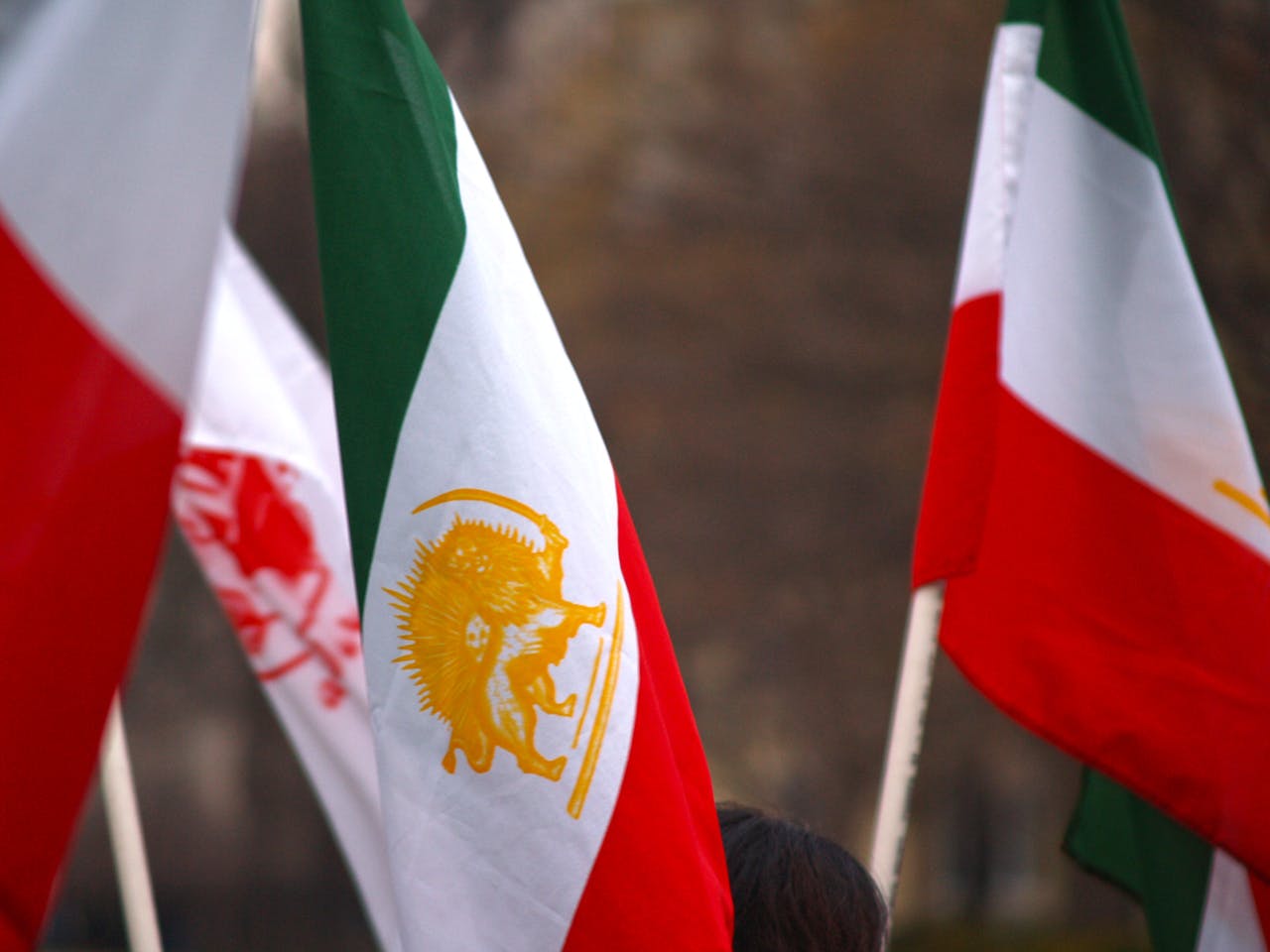
U.S. President Donald Trump is considering a range of military and political options against Iran, including targeted strikes aimed at weakening the country’s security leadership and encouraging renewed protests, according to multiple sources familiar with the discussions. The deliberations come amid heightened regional tensions following Iran’s recent crackdown on nationwide protests that reportedly left thousands dead.
Two U.S. sources said Trump has been focused on creating conditions for potential “regime change” by targeting commanders and institutions Washington holds responsible for the violence. The idea, they said, is to embolden protesters by signaling that Iran’s security apparatus could be weakened. Options under discussion reportedly range from limited strikes on specific leaders to broader military action targeting Iran’s ballistic missile capabilities or nuclear enrichment facilities.
However, Trump has not made a final decision, and diplomatic channels remain technically open. The deployment of a U.S. aircraft carrier and supporting warships to the Middle East has expanded Washington’s military capabilities, underscoring the seriousness of the situation. Trump has also urged Tehran to negotiate a nuclear deal, warning that any future U.S. attack would be more severe than previous strikes on Iranian nuclear sites.
Regional and international officials have expressed concern that military action could backfire. Arab officials, Western diplomats, and analysts warn that airstrikes alone are unlikely to topple Iran’s clerical leadership and could instead weaken an already traumatized protest movement. Israeli officials have echoed this view, arguing that without organized domestic opposition or large-scale military defections, external pressure is unlikely to bring lasting political change.
Iran’s leadership, while strained by economic crisis and unrest, remains in control. Supreme Leader Ayatollah Ali Khamenei has reduced his public profile but retains final authority over key decisions, including nuclear strategy. Analysts caution that any externally driven leadership change could empower hardline elements such as the Islamic Revolutionary Guard Corps, increasing regional instability.
Gulf states fear retaliation if conflict escalates, including missile or drone attacks and disruptions to oil flows through the Strait of Hormuz. Many regional governments favor containment over collapse, warning that instability in Iran could trigger refugee flows, civil conflict, and broader Middle East turmoil.













