


 Missouri Judge Dismisses Lawsuit Challenging Starbucks’ Diversity and Inclusion Policies
  Global PC Makers Eye Chinese Memory Chip Suppliers Amid Ongoing Supply Crunch
  Netanyahu to Meet Trump in Washington as Iran Nuclear Talks Intensify
  Nighttime Shelling Causes Serious Damage in Russia’s Belgorod Region Near Ukraine Border
  Sony Q3 Profit Jumps on Gaming and Image Sensors, Full-Year Outlook Raised
  American Airlines CEO to Meet Pilots Union Amid Storm Response and Financial Concerns
  Trump Says “Very Good Talks” Underway on Russia-Ukraine War as Peace Efforts Continue
  U.S. Lawmakers to Review Unredacted Jeffrey Epstein DOJ Files Starting Monday
  TrumpRx Website Launches to Offer Discounted Prescription Drugs for Cash-Paying Americans
  Ohio Man Indicted for Alleged Threat Against Vice President JD Vance, Faces Additional Federal Charges
  Trump Allegedly Sought Airport, Penn Station Renaming in Exchange for Hudson River Tunnel Funding
  U.S. to Begin Paying UN Dues as Financial Crisis Spurs Push for Reforms
  OpenAI Expands Enterprise AI Strategy With Major Hiring Push Ahead of New Business Offering
  Instagram Outage Disrupts Thousands of U.S. Users
  Once Upon a Farm Raises Nearly $198 Million in IPO, Valued at Over $724 Million
  Nasdaq Proposes Fast-Track Rule to Accelerate Index Inclusion for Major New Listings
  Toyota’s Surprise CEO Change Signals Strategic Shift Amid Global Auto Turmoil


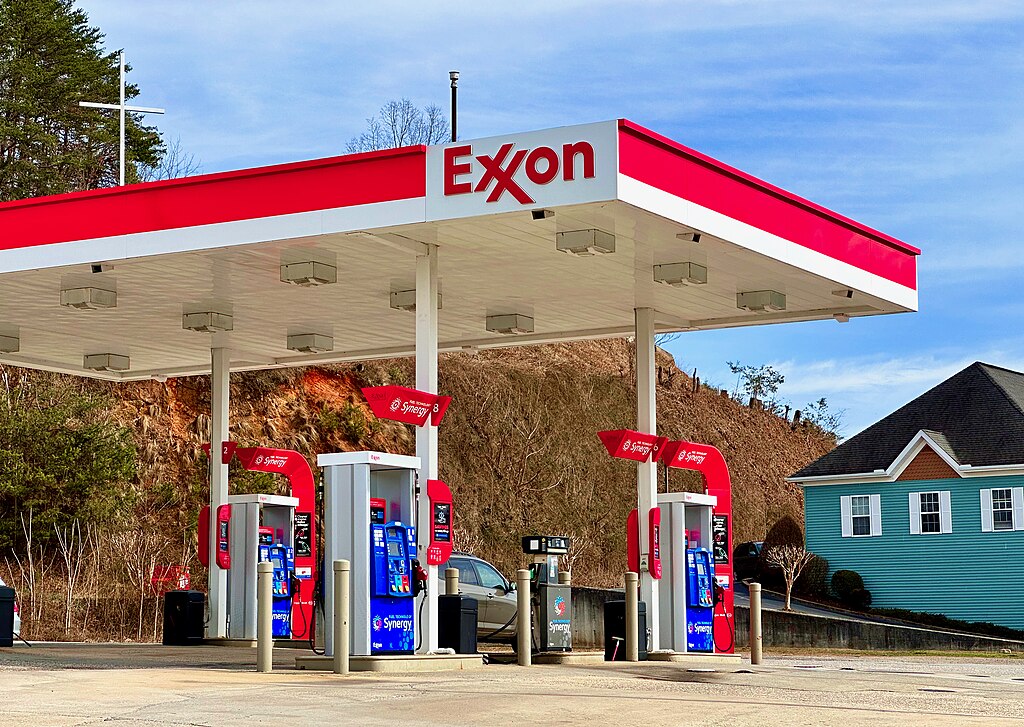
U.S. President Donald Trump said on Sunday that he may consider blocking Exxon Mobil from investing in Venezuela, following comments made by Exxon’s chief executive during a recent White House meeting. The remarks have reignited debate over Venezuela’s investment climate, U.S. sanctions policy, and the risks facing international oil companies operating in politically unstable markets.
Exxon Mobil CEO Darren Woods reportedly told President Trump that Venezuela is currently “uninvestable,” citing long-standing legal, political, and commercial challenges. According to Woods, Exxon has already had its assets seized twice in the South American country, making any potential return extremely risky without major structural reforms. Venezuela nationalized Exxon Mobil’s and ConocoPhillips’ oil assets in 2007, a move that led to years of arbitration and left Caracas owing the companies billions of dollars in unresolved claims.
During the White House meeting, Woods emphasized that the existing legal and commercial frameworks in Venezuela fail to protect foreign investors. He noted that re-entering the Venezuelan market for a third time would require “significant changes” to ensure asset security, contract enforcement, and regulatory stability. These concerns reflect broader apprehension among global energy companies that have reduced or abandoned operations in Venezuela over the past decade.
President Trump’s comments suggest the U.S. administration may take a tougher stance on any renewed investment activity in Venezuela, particularly as Washington continues to apply economic and political pressure on Caracas. Blocking Exxon Mobil from investing could align with broader U.S. foreign policy goals, including discouraging engagement with governments viewed as hostile or unreliable.
Venezuela, despite holding some of the world’s largest proven oil reserves, has struggled to attract foreign investment due to economic mismanagement, sanctions, and repeated disputes with multinational corporations. Exxon’s stance underscores the reputational and financial risks that continue to shape investment decisions in the global energy sector.
The exchange between Trump and Exxon’s leadership highlights how geopolitics, energy policy, and corporate risk assessment are increasingly intertwined, especially in regions marked by instability and unresolved legal conflicts.













