


 Iran-U.S. Oil Tensions Escalate as Revolutionary Guards Threaten Strait of Hormuz Blockade
  Boeing Secures $289 Million Smart Bomb Contract With Israel
  Bipartisan Housing Bill Advances in Senate, Aims to Tackle U.S. Affordability Crisis
  Shots Fired at U.S. Consulate in Toronto in Suspected National Security Incident
  Trump Announces New U.S. Oil Refinery in Texas with Indian Energy Giant Reliance
  Mexico's Electoral Reform Bill Fails in Congress as Coalition Fractures
  U.S. and Russia Hold Diplomatic Talks in Florida Amid Ongoing Tensions
  Trump Administration Spent $5.6 Billion in Munitions in Opening Days of Iran Strikes
  Iran Mines Strait of Hormuz: Crude Oil Prices Surge Amid Middle East Tensions
  Taiwan's MQ-9B SkyGuardian Drone Order Stays on Schedule Despite Middle East Conflict
  IEA Releases Record 400 Million Barrels of Oil Amid U.S.-Iran War
  Anthropic Sues Pentagon Over AI Blacklist, Citing Free Speech Violations
  Iran's Government Remains Stable Despite U.S. and Israeli Strikes, Intelligence Shows
  Trump Administration Launches Trade Investigations Against 16 Countries Over Industrial Overcapacity
  U.S. Calls for Reassessment of International Aid to Taliban-Ruled Afghanistan
  FBI Warns of Possible Iranian Drone Attacks on California Amid U.S.-Iran War
  Trump Doubts Iran Mining Reports as Strait of Hormuz Tensions Escalate


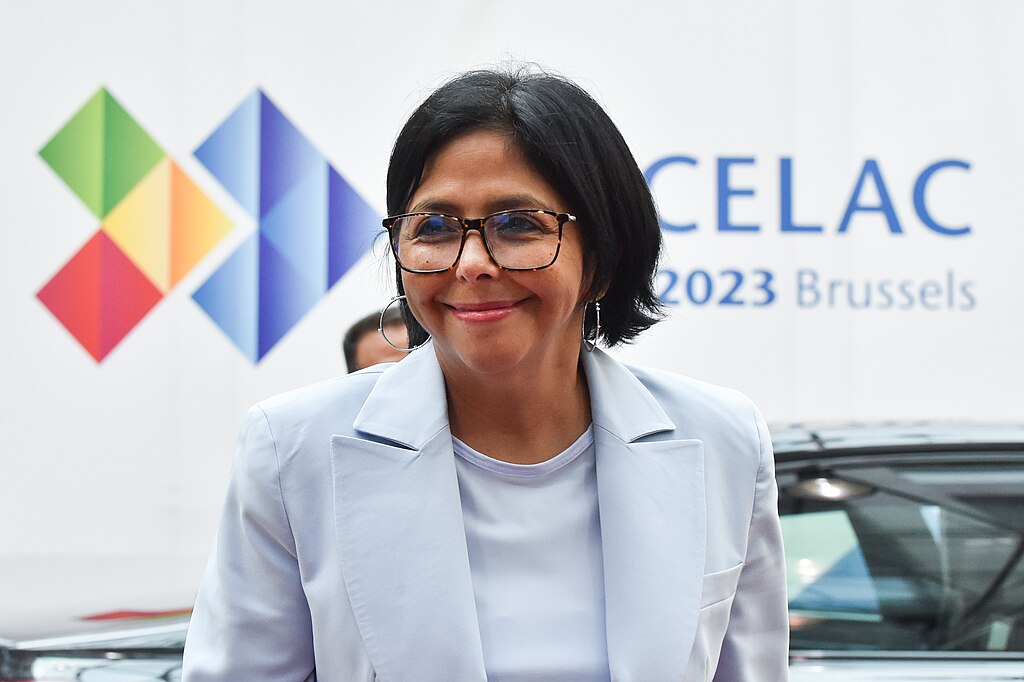
U.S. President Donald Trump has issued a strong warning to Venezuelan Vice President Delcy Rodríguez, suggesting she could face consequences even greater than those imposed on former leader Nicolás Maduro if she fails to cooperate with U.S. demands. The remarks were made during a telephone interview with The Atlantic magazine as Trump arrived at his West Palm Beach golf course in Florida, according to Reuters.
Trump’s comments came a day after he publicly praised Rodríguez following a dramatic operation in which U.S. forces seized Maduro and his wife from Caracas. However, tensions escalated after Rodríguez later declared that Venezuela would defend its natural resources, signaling resistance to U.S. pressure. In response, Trump adopted a tougher tone, stating that if Rodríguez “doesn’t do what’s right,” she would “pay a very big price, probably bigger than Maduro.”
The U.S. president strongly defended his controversial decision to remove Maduro by force, framing it as a necessary step toward improving conditions in Venezuela. He argued that any form of rebuilding or regime change would be preferable to the existing situation, adding that conditions in the country “can’t get any worse.” Trump’s comments reflect his long-standing criticism of Maduro’s leadership and the humanitarian and economic crisis in Venezuela.
Beyond Venezuela, Trump also hinted at a broader willingness to use American power on the global stage. In the same interview, he suggested that other countries could be subject to U.S. intervention, reiterating his interest in Greenland. “We do need Greenland, absolutely,” Trump said, referring to the island that is part of Denmark, a NATO ally. This statement reinforces his previous claims about Greenland’s strategic and economic importance to the United States.
The remarks have already sparked international debate, raising concerns about U.S. foreign policy, regime change, and the potential implications for global stability. As the situation develops, Trump’s warnings to Delcy Rodríguez and his assertive stance toward other nations are likely to remain a focal point in discussions about American interventionism and geopolitical strategy.













