


 Flavio Bolsonaro Urges Trump to Delay Brazil Tariffs Until After 2026 Election
  Lockheed Martin Emerges as Frontrunner to Acquire Ultra Maritime in $3.5 Billion Defense Deal
  China Submarine Missile Test Sparks Concern Across Asia-Pacific
  Israeli Airstrike Kills Two in Gaza City as Ceasefire Violations and Truce Talks Persist
  JD Vance Says Britain Needs Major Political Change as Leadership Transition Looms
  Foxconn Q2 Revenue Surges Nearly 40% on Strong AI Server Demand
  Russian Attacks Kill Six Across Ukraine as Kyiv Mourns Deadly Strike
  UN Warns of Looming Human Rights Catastrophe in Sudan’s Al-Obeid
  Khamenei Funeral Draws Massive Crowds as Iran’s New Supreme Leader Remains Absent
  Australian PM Anthony Albanese Apologizes After Kylie Minogue Podcast Remarks Spark Backlash
  TetherMax Rebranding Highlights Official Exchange Partnerships as Foundation of Trust
  easyJet Agrees in Principle to £5.23 Billion Castlelake Takeover Offer
  Samsung to Invest $90 Billion in South Korea to Expand AI Chip, Display, and Battery Production
  Amy Coney Barrett Faces Conservative Backlash After Key Supreme Court Rulings Against Trump
  Zelenskiy Urges Trump’s Support to Help End Russia-Ukraine War
  Burgum Defends Free Speech as Patriot Front July 4 March Sparks Debate
  UN Rights Council Launches Sudan Probe Over RSF Violence in al-Obeid


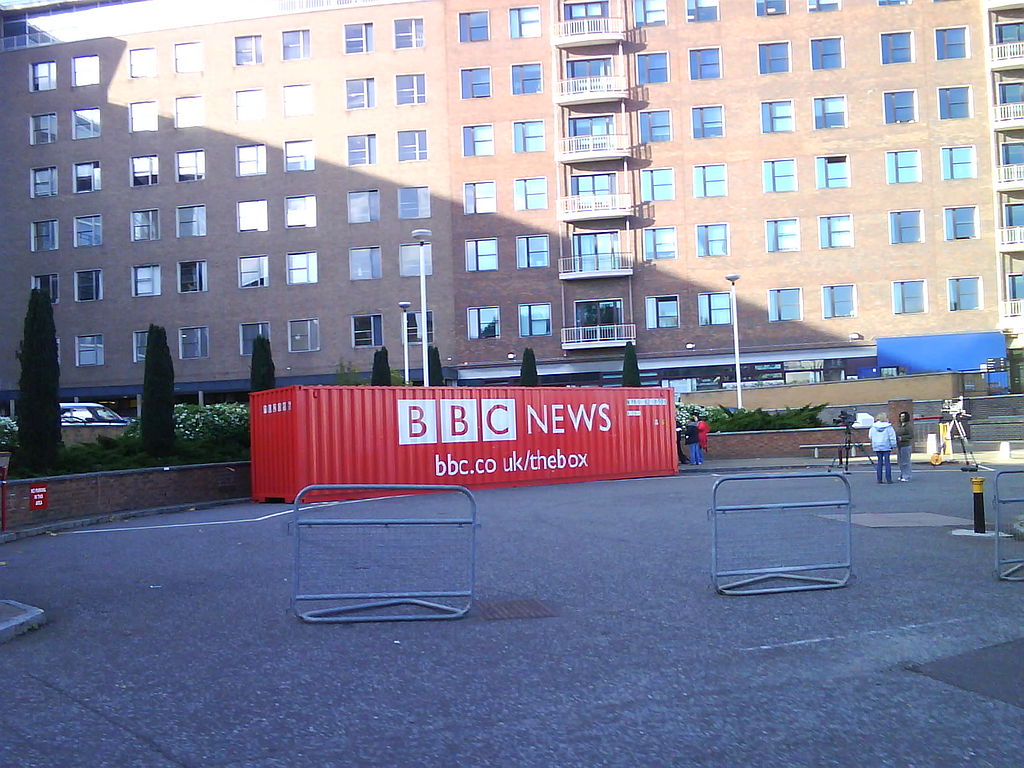
U.S. President Donald Trump has filed a major defamation lawsuit against the British Broadcasting Corporation (BBC), accusing the publicly funded broadcaster of misleading editing that falsely portrayed him as inciting violence during the January 6, 2021 U.S. Capitol riot. The lawsuit, filed Monday in federal court in Miami, marks a significant escalation in Trump’s long-running battle with media organizations he claims have treated him unfairly.
According to the complaint, the BBC aired edited clips of Trump’s January 6 speech in a “Panorama” documentary, combining excerpts in which he urged supporters to march to the Capitol and used the phrase “fight like hell,” while omitting a portion of the speech where he explicitly called for peaceful protest. Trump alleges that this selective editing created the false impression that he directly encouraged violent action, causing severe reputational and financial harm.
Trump is suing the BBC on two counts: defamation and violation of a Florida law prohibiting deceptive and unfair trade practices. He is seeking $5 billion in damages for each count, underscoring the scale of his claims. While the BBC has issued an apology, admitted an error of judgment, and acknowledged that the edit gave a mistaken impression, it has maintained that there is no legal basis for the lawsuit.
In court filings, Trump argued that the BBC’s apology lacked genuine remorse and failed to demonstrate meaningful institutional reforms to prevent similar editorial decisions in the future. His legal team also accused the broadcaster of a broader pattern of biased coverage driven by a political agenda, a claim the BBC has denied.
The controversy has triggered one of the most serious crises in the BBC’s history, leading to the resignation of its two most senior officials and the decision not to rebroadcast the documentary. The program was not aired in the United States, but Trump may have chosen a U.S. court because British defamation law imposes a strict one-year filing deadline, which has already expired.
Legal experts note that to succeed under U.S. law, Trump must prove not only that the edited clip was false and defamatory but also that the BBC acted knowingly or with reckless disregard for the truth, a high bar due to strong constitutional protections for free speech and the press.







