


 Tencent Shares Slide After WeChat Restricts YuanBao AI Promotional Links
  Trump Signs Executive Order Threatening 25% Tariffs on Countries Trading With Iran
  Ford and Geely Explore Strategic Manufacturing Partnership in Europe
  Pentagon Ends Military Education Programs With Harvard University
  Trump Signs “America First Arms Transfer Strategy” to Prioritize U.S. Weapons Sales
  Ohio Man Indicted for Alleged Threat Against Vice President JD Vance, Faces Additional Federal Charges
  U.S. to Begin Paying UN Dues as Financial Crisis Spurs Push for Reforms
  Trump Says “Very Good Talks” Underway on Russia-Ukraine War as Peace Efforts Continue
  China Warns US Arms Sales to Taiwan Could Disrupt Trump’s Planned Visit
  Baidu Approves $5 Billion Share Buyback and Plans First-Ever Dividend in 2026
  Trump Backs Nexstar–Tegna Merger Amid Shifting U.S. Media Landscape
  TrumpRx.gov Highlights GLP-1 Drug Discounts but Offers Limited Savings for Most Americans
  Toyota’s Surprise CEO Change Signals Strategic Shift Amid Global Auto Turmoil
  Jack Lang Resigns as Head of Arab World Institute Amid Epstein Controversy
  Missouri Judge Dismisses Lawsuit Challenging Starbucks’ Diversity and Inclusion Policies
  Amazon Stock Rebounds After Earnings as $200B Capex Plan Sparks AI Spending Debate
  Weight-Loss Drug Ads Take Over the Super Bowl as Pharma Embraces Direct-to-Consumer Marketing


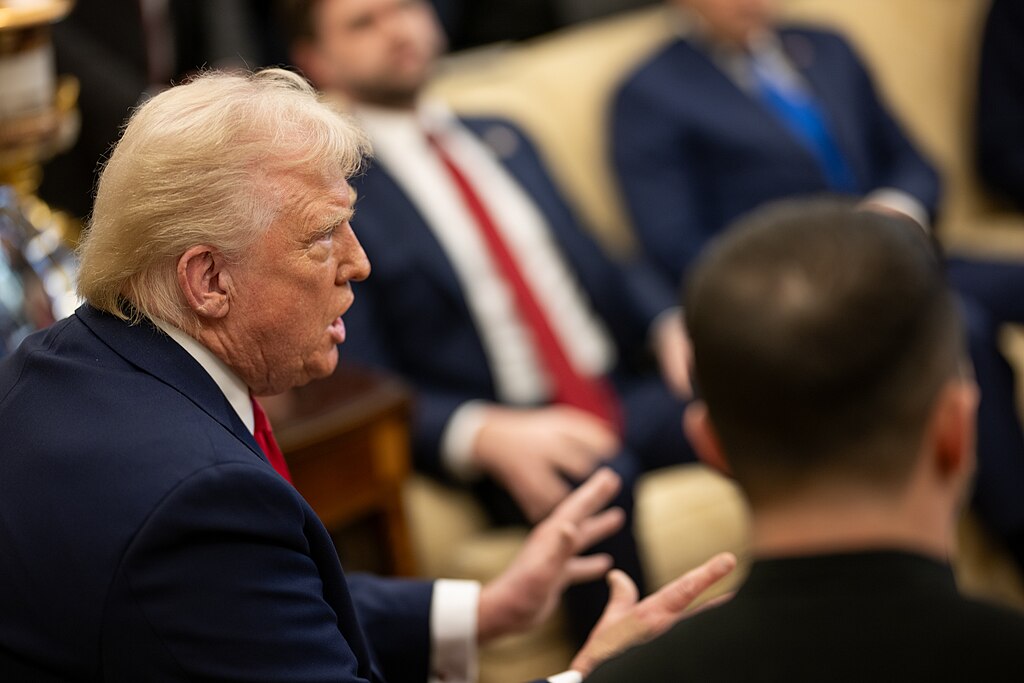
U.S. President Donald Trump said on Friday that he plans to meet with major health insurance companies in the coming weeks in an effort to push for significantly lower healthcare costs, as millions of Americans face the possibility of higher premiums tied to the Affordable Care Act (ACA). Speaking at a White House event, Trump suggested that a single meeting could lead insurers to cut prices by as much as 50% to 70%, positioning negotiations as an alternative path to easing financial pressure on consumers.
The remarks came as Trump announced a separate agreement with nine pharmaceutical companies aimed at lowering prescription drug prices, reinforcing his broader message of reducing healthcare expenses through direct deals rather than sweeping legislative reform. Representatives from some of the largest U.S. health insurers, including UnitedHealth Group, CVS Health’s Aetna, and Cigna, did not immediately comment on Trump’s proposal.
According to Trump, the meeting with health insurers could take place in Florida as early as next week or in Washington, D.C., during the first week of the new year. The timing is significant, as enhanced ACA subsidies introduced during the COVID-19 pandemic are set to expire on December 31 unless Congress intervenes. Without action, millions of Americans who rely on ACA marketplace plans could see noticeable increases in their monthly premiums.
Trump reiterated his preference for redirecting federal funds directly to individuals so they can purchase health insurance independently, rather than extending subsidies to insurers. He also expressed support for a Republican-backed measure that recently blocked a three-year extension of the subsidies proposed by Democrats and a small number of Republicans.
In a separate interview with NBC published earlier the same day, Trump downplayed the need for a comprehensive healthcare overhaul, arguing that the ACA would eventually collapse on its own due to high costs discouraging enrollment. Roughly 24 million Americans currently obtain coverage through the ACA.
As healthcare costs and broader inflation remain key voter concerns, the debate over insurance premiums and subsidies is expected to play a prominent role in upcoming elections. House Republicans have proposed legislation that would lower premiums for some while reducing overall subsidies, a change scheduled to begin in 2027, shortly after voters head to the polls.













