


 IEA Releases Record 400 Million Barrels of Oil Amid U.S.-Iran War
  Japan's BOJ Independence Under Fire as PM Takaichi's Rate Stance Draws Political Heat
  Iran's Government Remains Stable Despite U.S. and Israeli Strikes, Intelligence Shows
  Trump Announces New U.S. Oil Refinery in Texas with Indian Energy Giant Reliance
  Pentagon Taps Wall Street Talent to Manage $200 Billion Defense Investment Fund
  U.S. Senate Greenlights AI Chatbots for Official Staff Use
  Iran Mines Strait of Hormuz: Crude Oil Prices Surge Amid Middle East Tensions
  Iran-Israel War Sparks Global Oil Crisis as Tankers Burn in Gulf Waters
  Taiwan's MQ-9B SkyGuardian Drone Order Stays on Schedule Despite Middle East Conflict
  Trump Administration Launches Trade Investigations Against 16 Countries Over Industrial Overcapacity
  Trump Hints at Possible U.S. Takeover of Cuba Amid Deepening Humanitarian Crisis
  U.S. and Russia Hold Diplomatic Talks in Florida Amid Ongoing Tensions
  Israel-Iran War: Herzog Urges Patience as U.S. and Israeli Strikes Intensify
  U.S.-Israel War on Iran Sends Crude Oil Prices Surging Amid Strait of Hormuz Tensions
  U.S. Patriot Missiles Redeployed From South Korea Amid Middle East Conflict
  Bipartisan Housing Bill Advances in Senate, Aims to Tackle U.S. Affordability Crisis
  Trump Administration Spent $5.6 Billion in Munitions in Opening Days of Iran Strikes


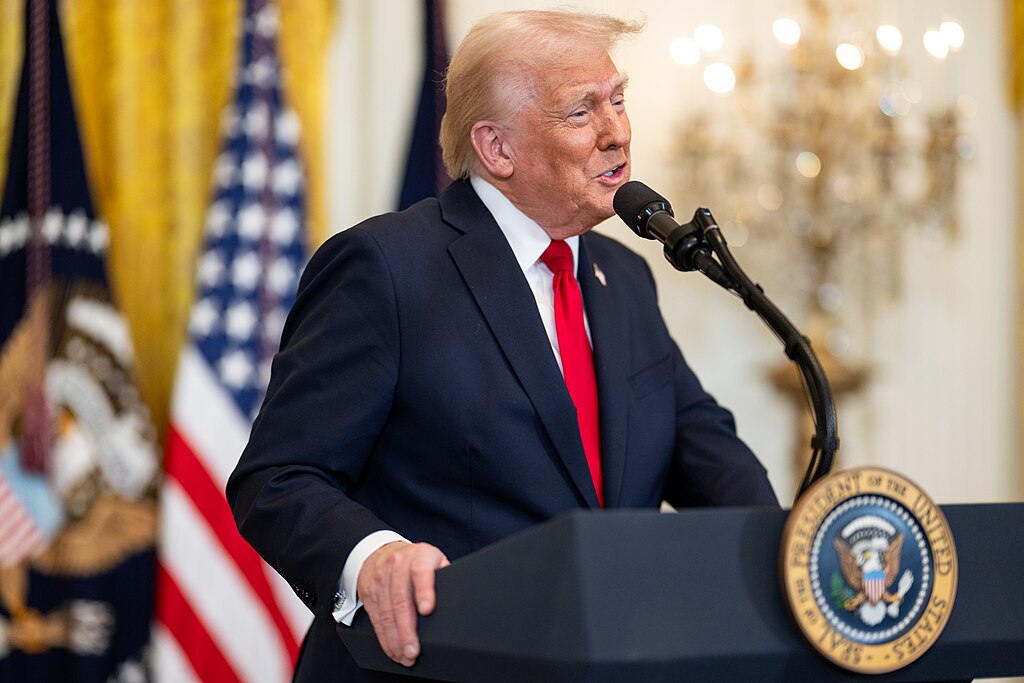
U.S. President Donald Trump has reignited uncertainty around the future of Affordable Care Act (ACA) health insurance subsidies after saying he may veto legislation aimed at extending federal health insurance tax credits. The comments, made on Sunday, have intensified an already heated debate in Washington and could have major consequences for millions of Americans who rely on subsidized coverage to afford their health insurance premiums.
The enhanced ACA subsidies, which were expanded in recent years to make health coverage more affordable, are set to expire at the end of 2025. Without congressional action, millions of Americans could face steep increases in their monthly health insurance costs, potentially pricing many out of coverage altogether. Health policy experts warn that the expiration of these subsidies could reverse gains in coverage rates and increase the number of uninsured Americans.
Despite Republican opposition in the Senate, the Republican-controlled U.S. House of Representatives passed Democratic-backed legislation last Thursday that would restore and extend the ACA subsidies. Notably, 17 Republican lawmakers joined Democrats in supporting the bill, signaling bipartisan concern about the potential impact of rising health insurance premiums on constituents. The House vote has raised hopes among Democrats that a compromise could eventually emerge, even as Senate Republicans have already rejected a similar proposal.
President Trump’s suggestion that he might veto the legislation adds another layer of uncertainty to the process. A veto would force lawmakers back to the negotiating table and could delay any resolution, leaving consumers and insurers in limbo as they plan for future coverage years.
Meanwhile, Americans currently shopping for health insurance still have until January 15 to enroll in ACA coverage for this year. The Trump administration has the authority to extend the enrollment deadline, a move that could provide temporary relief and more time for consumers to make informed decisions amid the policy uncertainty.
As debates over ACA subsidies, health insurance affordability, and federal health policy continue, the outcome of this legislation will play a critical role in shaping healthcare costs and coverage for millions of Americans in the years ahead.













