


 Indonesia Passes New Central Bank Law, Raising Investor Concerns Over Policy Independence
  Wall Street Rebounds as Chip Stocks Rally and Iran-Israel Tensions Ease
  BOK Seen Holding Interest Rates Steady as Inflation Risks Rise in South Korea
  Gordie Howe International Bridge Set to Open, Boosting U.S.-Canada Trade Links
  BOJ Signals Possible Rate Hike as Middle East Tensions Fuel Inflation Concerns
  Trump to Swear In Kevin Warsh as New Federal Reserve Chair Amid Inflation Concerns
  Asian Stocks Rebound as AI and Chip Shares Recover; Easing Iran Tensions Boost Sentiment
  Gold Prices Ease as Markets Await Key U.S. Inflation Data and Fed Rate Outlook
  RBI Holds Interest Rates at 5.25%, Cuts India Growth Forecast Amid Rising Global Risks
  Trump Faces Pressure as Fed Chair Kevin Warsh Takes Over
  Japan Wholesale Inflation Accelerates to 6.3% in May, Exceeding Forecasts
  China Trade Surplus Surges in May 2026 as Exports and AI-Driven Imports Accelerate
  RBNZ Holds Interest Rates Steady but Signals More Hikes Ahead in 2026


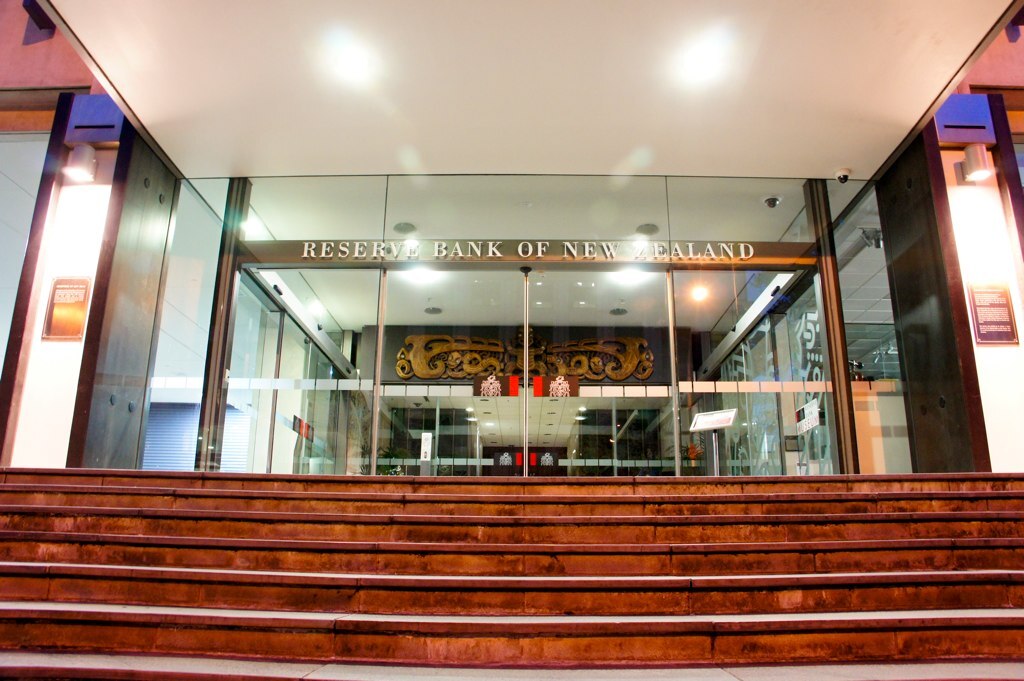
New Zealand’s economic outlook has become increasingly complicated as rising inflation and elevated unemployment place the Reserve Bank of New Zealand (RBNZ) under growing pressure ahead of the closely contested 2026 general election.
The central bank faces a difficult balancing act after warning that the ongoing energy shock linked to the Iran conflict could push inflation to 4.3% in the coming months, significantly above its target range of 1% to 3%. At the same time, New Zealand’s unemployment rate remains near a decade-high level, creating concerns about the broader health of the economy.
Despite the weak labor market, the RBNZ’s primary focus remains controlling inflation. In 2023, the National Party-led coalition government removed the central bank’s dual mandate, which previously required policymakers to consider both price stability and maximum sustainable employment. The change made inflation control the central objective of monetary policy.
RBNZ Assistant Governor Karen Silk emphasized that while policymakers seek to avoid unnecessary volatility in employment and economic output, inflation remains the central bank’s top priority. Although the RBNZ kept interest rates unchanged at its most recent meeting, officials signaled that at least two rate hikes could be implemented before the end of the year.
The central bank also expects unemployment to remain around 5.4% for at least another year. Economists warn that higher borrowing costs combined with a weak labor market could further reduce wage growth and discourage workforce participation.
Critics argue that a dual mandate would make additional rate increases difficult to justify under current economic conditions. Labour Party finance spokesperson Barbara Edmonds confirmed that the opposition is seriously considering restoring the dual mandate if it wins the November 7 election, saying it would provide policymakers with greater flexibility when addressing economic challenges.
Prime Minister Christopher Luxon’s government continues to defend its approach, arguing that maintaining price stability is the best long-term path to economic growth and job creation. Finance Minister Nicola Willis stated that a clear inflation-focused mandate ultimately benefits the wider economy, even though employment conditions remain an important consideration.
With polls indicating a highly competitive election race, unemployment is emerging as a key political issue. Analysts suggest that while many voters may not closely follow economic indicators such as GDP growth, inflation forecasts, or official cash rate decisions, they are acutely aware of job opportunities within their communities.
As New Zealand grapples with the risk of stagflation, the debate over interest rates, inflation control, and employment policy is expected to play a major role in shaping voter sentiment and influencing the outcome of the 2026 election.







