


 Iran-U.S. Oil Tensions Escalate as Revolutionary Guards Threaten Strait of Hormuz Blockade
  Trump-Putin Call Addresses Iran War, Ukraine Peace, and Global Oil Crisis
  IEA Releases Record 400 Million Barrels of Oil Amid U.S.-Iran War
  Ukraine Strikes Russian Missile Component Factory in Bryansk Using British Weapons
  Shots Fired at U.S. Consulate in Toronto in Suspected National Security Incident
  Trump Doubts Iran Mining Reports as Strait of Hormuz Tensions Escalate
  Venezuela Names Paula Henao as New Oil Minister Amid U.S.-Led Industry Overhaul
  Israel-Iran War: Herzog Urges Patience as U.S. and Israeli Strikes Intensify
  Iran's Government Remains Stable Despite U.S. and Israeli Strikes, Intelligence Shows
  Trump Announces New U.S. Oil Refinery in Texas with Indian Energy Giant Reliance
  Taiwan's MQ-9B SkyGuardian Drone Order Stays on Schedule Despite Middle East Conflict
  Anthropic Sues Pentagon Over AI Blacklist, Citing Free Speech Violations
  Trump Administration Spent $5.6 Billion in Munitions in Opening Days of Iran Strikes
  U.S.-Israel War on Iran Sends Crude Oil Prices Surging Amid Strait of Hormuz Tensions
  Trump Administration Launches Trade Investigations Against 16 Countries Over Industrial Overcapacity
  Boeing Secures $289 Million Smart Bomb Contract With Israel
  After the Iran war, Persian Gulf nations face tough decisions on the US – a former diplomat explains


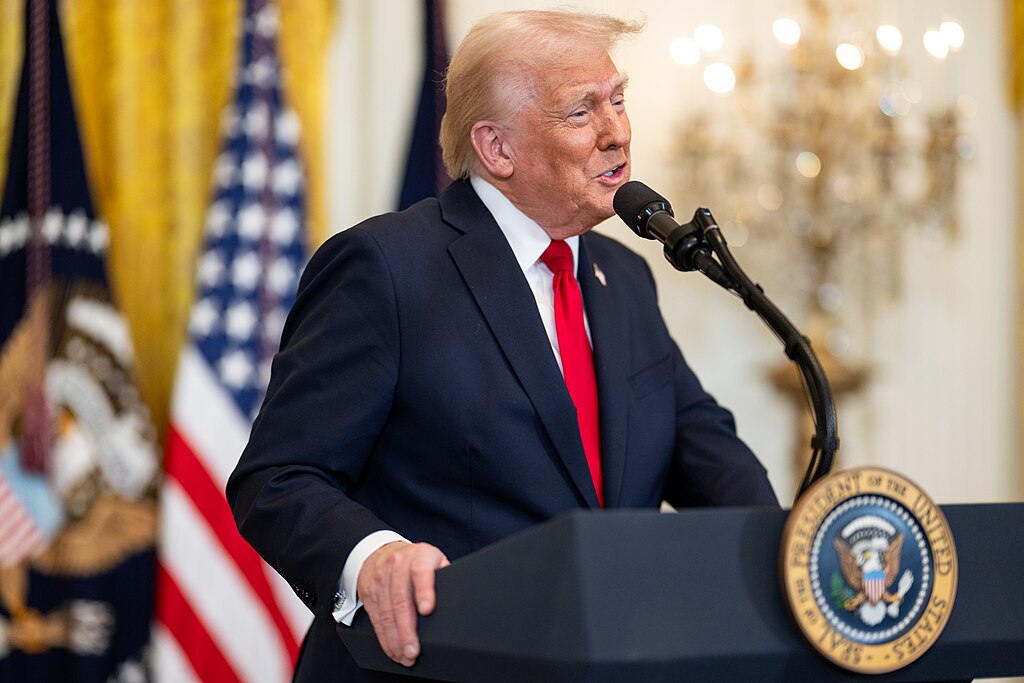
U.S. President Donald Trump said he will be “indirectly” involved in high-stakes nuclear talks between the United States and Iran scheduled for Tuesday in Geneva, expressing cautious optimism that Tehran is ready to negotiate. Speaking to reporters aboard Air Force One, Trump emphasized the importance of the discussions, which come amid escalating tensions in the Middle East.
The renewed diplomatic push follows a period of military escalation. The United States recently deployed a second aircraft carrier to the region, while officials confirmed preparations for a potential prolonged military campaign if negotiations collapse. Trump referenced last summer’s U.S. airstrikes on Iranian nuclear facilities, carried out by B-2 stealth bombers, as a turning point. According to Trump, Iran now understands the “consequences” of failing to reach a deal and may be more willing to compromise.
At the center of the dispute is Iran’s uranium enrichment program. Before the June strikes, U.S.-Iran nuclear negotiations stalled over Washington’s demand that Tehran halt uranium enrichment on its soil, viewing it as a pathway to developing nuclear weapons. Iran has consistently rejected a zero-enrichment policy and insists its nuclear program is peaceful. Tehran is seeking sanctions relief in exchange for limits on its nuclear activities but refuses to discuss its missile program.
Iranian Foreign Minister Abbas Araqchi met with the head of the International Atomic Energy Agency in Geneva, stating that Iran aims to secure a “fair and equitable deal.” However, he made clear that Iran will not submit to pressure. The IAEA has also requested clarification regarding Iran’s 440 kg stockpile of highly enriched uranium following Israeli-U.S. strikes on facilities in Natanz, Fordow, and Isfahan.
Meanwhile, Iran conducted military drills in the Strait of Hormuz, a critical global oil route, reiterating threats to close the waterway if attacked. U.S. Secretary of State Marco Rubio acknowledged that while a diplomatic agreement is possible, reaching a comprehensive Iran nuclear deal will be challenging.













