


 Google's TurboQuant Algorithm Sends Memory Chip Stocks Tumbling
  U.S. Deploys Elite 82nd Airborne Troops to Middle East Amid Iran Tensions
  Mexico Probes Miss Universe President Raul Rocha Over Alleged Criminal Links
  Trump Administration Settles Lawsuit Barring Federal Agencies from Pressuring Social Media Censorship
  AWS Bahrain Region Disrupted by Drone Activity Amid Middle East Conflict
  WTO Reform Talks Begin in Cameroon Amid Global Trade Tensions
  Pulp are back and more wistfully Britpop than before
  Disney Investors Demand Records Over Jimmy Kimmel Suspension Controversy
  U.S.-Iran Peace Talks Gain Momentum Amid Ongoing Conflict
  Trump-Inspired Cantonese Opera Brings Laughter and Political Satire to Hong Kong
  Berkshire Hathaway and Tokio Marine Form Major Strategic Insurance Partnership
  Maduro Faces Rare Narcoterrorism Charges in U.S. Court
  Cuba Receives Humanitarian Aid Convoy Amid U.S. Sanctions
  Goldman Sachs Raises ECB Rate Hike Forecast Amid Persistent Energy-Driven Inflation
  Netflix’s Bid for Warner Bros Discovery Aims to Cut Streaming Costs and Reshape the Industry
  Iran-U.S. Negotiations: Tehran Reviews American Peace Proposal Amid Ongoing Gulf Conflict
  NAB Plans to Cut 170 Jobs While Expanding Offshore Operations


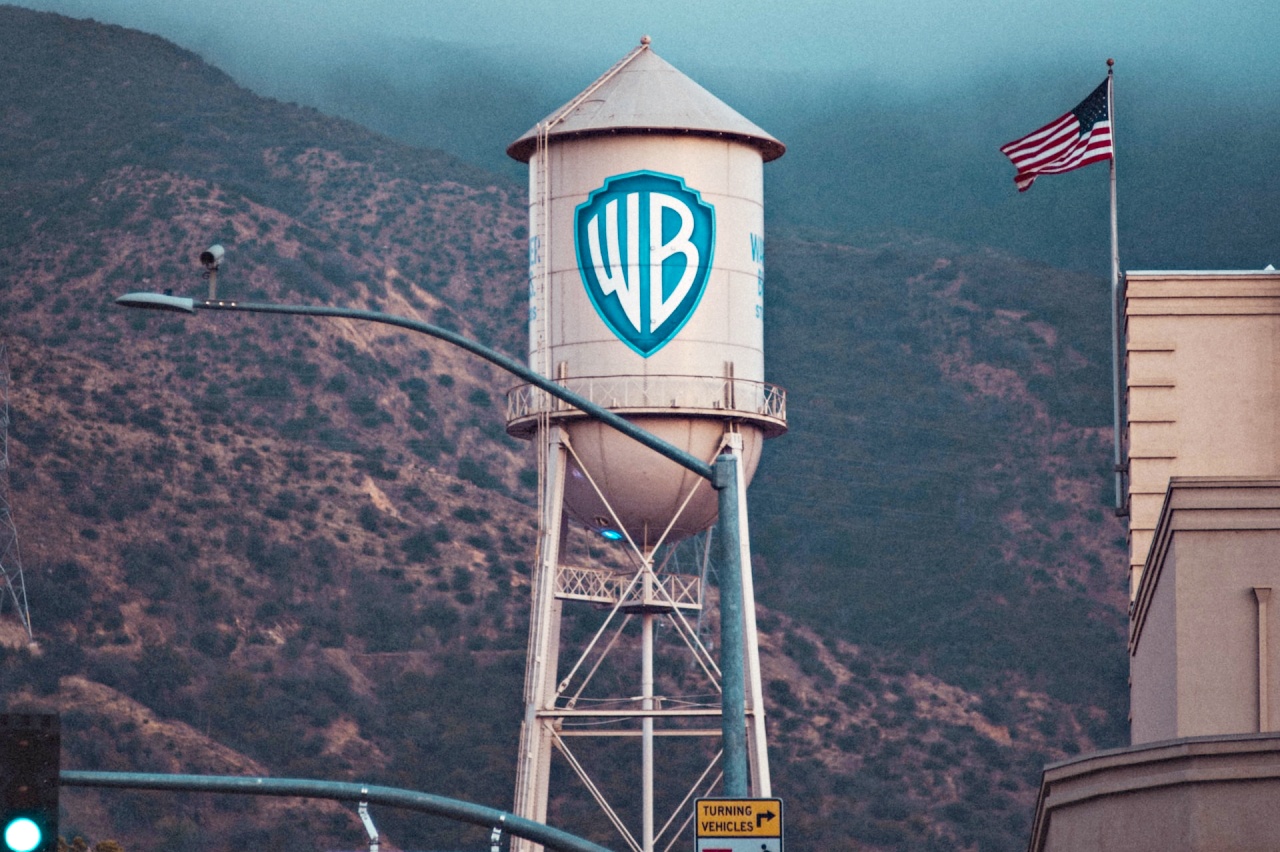
U.S. President Donald Trump indicated on Sunday that he expects to play a direct role in determining whether the proposed merger between Netflix and Warner Brothers will move forward, raising new questions about regulatory scrutiny surrounding one of the entertainment industry’s biggest potential deals. Speaking to reporters as he arrived at the Kennedy Center for its annual awards ceremony, Trump said he believes the size and influence of the combined company could create concerns about market concentration and competition.
His comments followed Netflix’s announcement on Friday that it had reached an agreement to acquire Warner Bros Discovery’s television, film studio, and streaming assets in a massive $72 billion deal. If approved, the acquisition would give Netflix control over highly valuable entertainment properties, significantly expanding its reach in Hollywood and strengthening its position in the global streaming market. Industry analysts have already noted that the merger could reshape the competitive landscape by merging a leading streaming giant with one of the most iconic content producers in the world.
Although Trump did not express a clear stance on whether the merger should ultimately be approved, he emphasized that the potential dominance of the merged entity could draw regulatory attention. “That’s going to be for some economists to tell… But it is a big market share. There’s no question it could be a problem,” he said, suggesting that antitrust regulators may need to evaluate whether the deal poses risks to fair competition, consumer choice, or media diversity.
With the entertainment industry already undergoing rapid consolidation, this proposed merger is likely to face intense examination in Washington. Trump’s assertion that he will be “involved in that decision” underscores the political significance of the deal and signals that federal oversight could play a decisive role in determining its outcome. As the regulatory review process unfolds, both companies and industry observers are preparing for what could become one of the most consequential media rulings in years.













