


 US Strikes Iran Again After Strait of Hormuz Tanker Attack Escalates Ceasefire Tensions
  Javier Milei Cabinet Chief Manuel Adorni Resigns Amid Spending Scandal Investigation
  Trump Urges Gasoline Retailers to Cut Prices to $2.50 Per Gallon, Warns of Legal Action
  Taiwan Coast Guard Officer Finds Strength in Faith as China Increases Pressure in Taiwan Strait
  Trump Threatens 100% Tariffs on Countries Imposing Digital Services Taxes on U.S. Tech Firms
  Serbia President Aleksandar Vucic to Resign, Calls Early Elections After Months of Protests
  Russian Attacks Kill Four in Ukraine as Zaporizhzhia and Kharkiv Come Under Fire
  Despite its best efforts, Iran won’t be able to toll the Strait of Hormuz. Here’s why
  Sheinbaum Says No One Is Above the Law After Abuse Video of Ex-Pemex Chief Emerges
  Trump Signs Memorandum Backing Americans’ Right to Repair Their Own Vehicles
  Canada Grants C$7 Million to Greenland Molybdenum Mine to Strengthen Critical Minerals Supply
  Supreme Court Backs Lisa Cook, Defends Federal Reserve Independence Against Trump Firing Attempt
  Russian Attacks on Dnipro, Zaporizhzhia, and Kharkiv Kill 10 as Ukraine Vows Response
  Iran Launches Drone Attack on Bahrain After U.S. Strikes, Strait of Hormuz Tensions Escalate
  Andy Burnham Sets Out Vision to Decentralize Britain as Labour Leadership Race Begins
  Australia, Vanuatu Sign Security Pact Amid Pacific Influence Competition


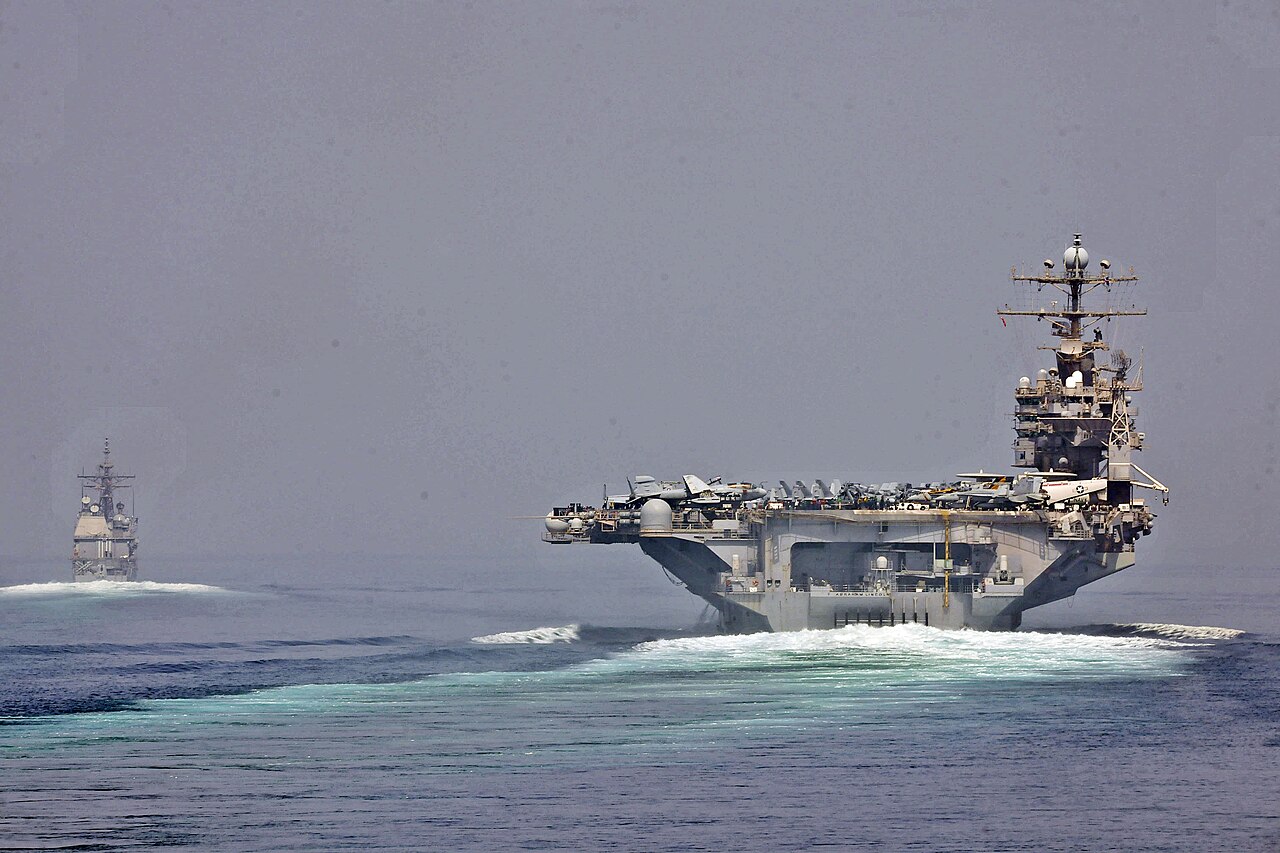
U.S. President Donald Trump said a “largely negotiated” memorandum of understanding between the United States and Iran could soon reopen the Strait of Hormuz, a key global oil shipping route disrupted since the outbreak of the U.S.-Israel conflict with Iran earlier this year. Trump announced on Truth Social that the final details of the agreement were still under discussion and would be revealed soon.
However, Iran’s Fars news agency disputed Trump’s statement, claiming the proposed arrangement would instead allow Iran to oversee the Strait of Hormuz and describing Trump’s version of events as inaccurate. The disagreement highlights ongoing tensions despite reported diplomatic progress.
According to Axios, the proposed Iran peace deal includes a 60-day extension of the ceasefire and the reopening of the Strait of Hormuz without shipping tolls. In return, Iran would reportedly regain the ability to sell oil freely while entering negotiations over limits to its nuclear program. The United States is also expected to ease sanctions on Iranian oil exports and lift restrictions on Iranian ports.
The draft framework reportedly contains commitments from Iran not to pursue nuclear weapons and to discuss suspending uranium enrichment activities. Reports from The New York Times added that Iran may also agree to surrender its highly enriched uranium stockpile, although the details would be finalized in later negotiations.
Pakistan has played a major role as mediator in the talks. Pakistani military officials described the negotiations as “encouraging,” while Iranian officials confirmed discussions are ongoing. Sources familiar with the negotiations said the plan would move in phases, beginning with a formal end to the war, followed by restoring stability in the Strait of Hormuz and broader diplomatic talks.
Despite diplomatic momentum, Iranian officials warned that unresolved issues remain, particularly concerning U.S. military threats and sanctions. Meanwhile, global energy markets continue closely monitoring developments surrounding the Strait of Hormuz and Iran’s nuclear program.







