


 US-Iran Exchange Strikes as Hormuz Tensions Escalate
  Greenland Says US Talks Remain Ongoing
  Trump Reviews U.S. Position on Falkland Islands
  Bessent Urges Japan on Fiscal Discipline, BOJ Rate Hikes
  Ed Markey Wins Massachusetts Democratic Senate Primary
  Canada Backs €100 Billion Global Defence Bank
  Honduras Court Drops Charges Against Ex-President Juan Orlando Hernandez
  US, Australia Pledge $580 Million for Pacific Islands
  South Korea Unveils Record $597 Billion 2027 Budget to Boost AI and Chips
  Augusto Cury Surges in Brazil Presidential Polls
  US-Iran Conflict Escalates With New Strikes Near Hormuz
  Trump Says ExxonMobil Among Oil Majors Planning Venezuela Return
  Putin Says Russia Is Winning Ukraine War
  Pacific Islands Forum Seeks Unified Condemnation of China Missile Test
  UN Security Council Faces Iran Sanctions Vote
  Two Palestinian Teenagers Killed in West Bank Violence


 Add as a preferred source on Google
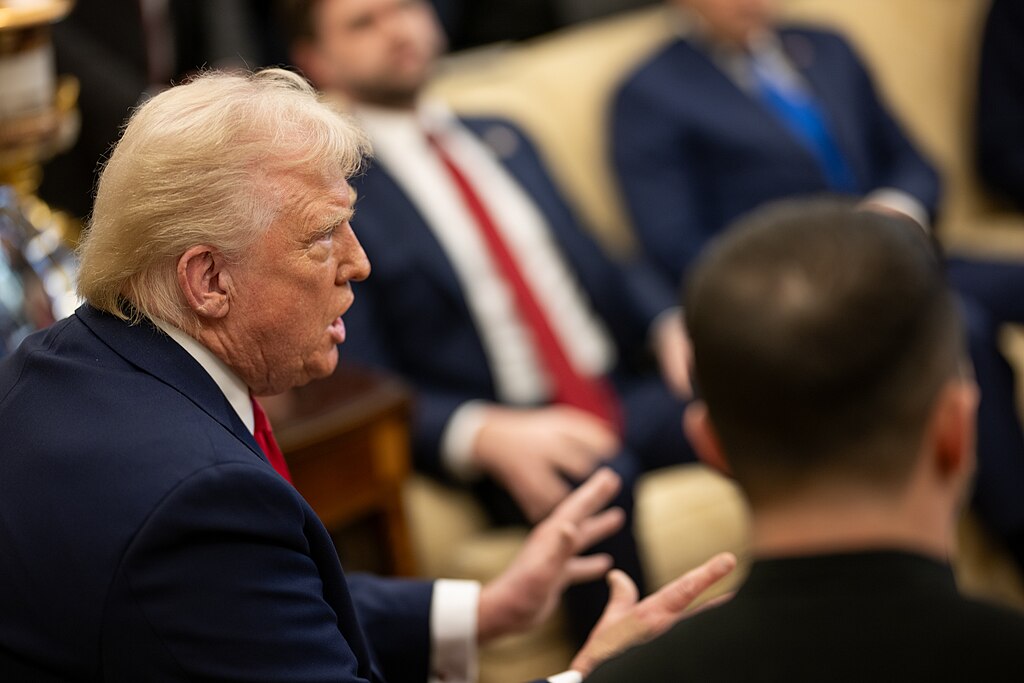
President Donald Trump said Tuesday that his administration plans to “de-escalate a little bit” its federal immigration enforcement operations in Minnesota, following reports that two U.S. citizens were killed this month during shootings involving federal immigration agents. The remarks come amid growing public scrutiny and political debate over the use of force by federal authorities in immigration-related actions.
Speaking on Fox News’ The Will Cain Show, Trump addressed questions about the situation in Minnesota, particularly in the Minneapolis area, where tensions have escalated after the fatal incidents. “We are going to de-escalate a little bit,” Trump said during the interview, signaling a shift in approach but not a complete withdrawal of federal presence.
The president was careful to clarify that the decision does not represent a full pullback of federal immigration enforcement. Instead, he described it as a strategic adjustment. “It’s not a pullback, but a change,” Trump explained, emphasizing that his administration remains committed to enforcing immigration laws while also responding to concerns about safety and public perception.
Trump also revealed that he spoke Tuesday with Tom Homan, his former acting Immigration and Customs Enforcement director, whom he has referred to as his “border czar.” According to Trump, Homan was previously sent to Minneapolis to oversee the situation firsthand and assess how federal agents were operating on the ground. The conversation reportedly focused on how to reduce tensions while maintaining operational control.
The shootings have intensified the national conversation around immigration enforcement tactics, federal authority, and the balance between security and civil rights. Minnesota officials and community leaders have called for transparency and accountability, while federal officials stress the complexity of enforcement operations in high-risk situations.
Trump’s comments suggest an effort to strike a balance between maintaining a strong immigration policy and addressing mounting concerns over the consequences of aggressive enforcement. As the administration adjusts its approach in Minnesota, the situation is likely to remain under close watch from both political leaders and the public, especially as debates over immigration policy continue to shape the national discourse.







