


 U.S.-Iran War Talks Emerge Amid Ongoing Strikes and Economic Fallout
  Trump Threatens Federal Intervention in Los Angeles Ahead of 2026 World Cup
  U.S. Senator Pushes to Permanently Block Chinese Automakers from American Market
  U.S. Army Investigates Military Helicopters Flying Near Kid Rock's Home and Anti-Trump Protests
  WTO Ministerial Collapse Leaves Global Digital Trade Rules in Limbo
  Canada's Arctic Military Expansion Sparks Hope and Concern Among Indigenous Communities
  Trump Signs Executive Order Tightening Mail-In Voting Rules Amid Legal Backlash
  EU Leaders Visit Kyiv on Fourth Anniversary of Bucha Massacre
  Trump Administration Resumes Partial Asylum Processing After Temporary Halt
  U.S.-Iran War: Rubio Says Finish Line Is Visible as Diplomatic Talks Begin
  Rubio Calls for Democratic Transition and Free Elections in Venezuela
  U.S. Senators Challenge FCC Chair Over Nexstar-Tegna Merger Approval
  Rubio Directs U.S. Diplomats to Use X and Military Psyops to Counter Foreign Propaganda
  U.S. Trade Rep Dismisses WTO's Future Role After Failed Cameroon Summit
  Ukrainian Drones and the #MadeByHousewives Movement: Kyiv Fires Back at Rheinmetall CEO
  Ukraine Open to Energy Ceasefire Amid Global Oil Crisis
  California's AI Executive Order Pushes Responsible Tech Use in State Contracts


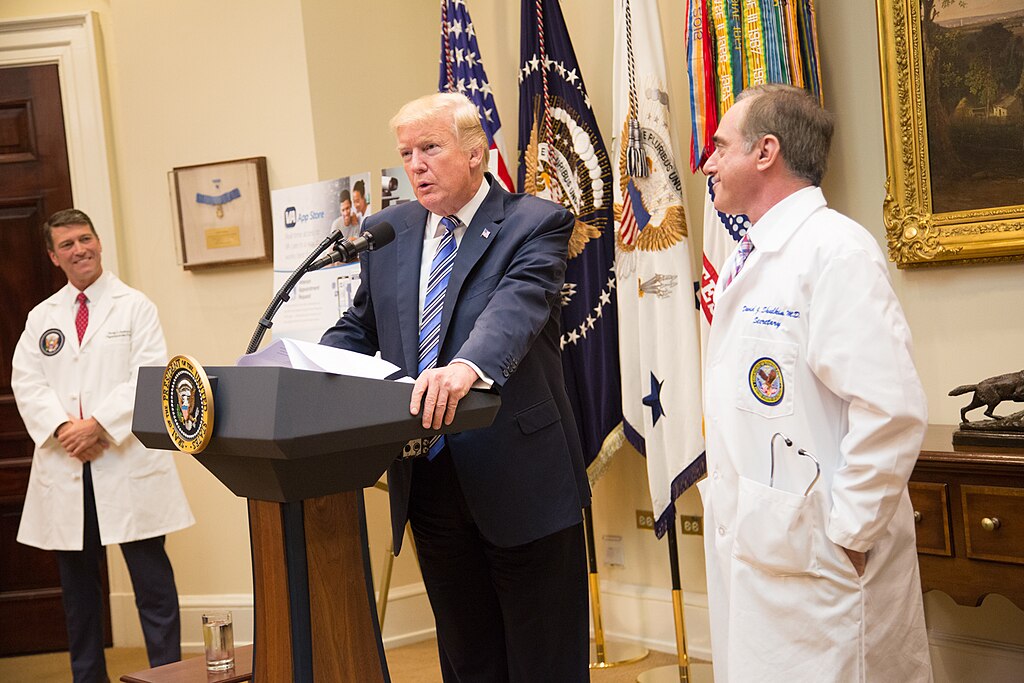
Former President Donald Trump is reportedly considering a full U.S. withdrawal from the Paris climate agreement if re-elected in 2024, a move that could reshape America’s environmental policy and draw global criticism. Sources close to Trump’s campaign suggest that his decision stems from long-standing skepticism about the accord’s impact on American businesses and economic growth.
Trump’s History with the Paris Climate Agreement
During his presidency, Trump announced in 2017 that the U.S. would leave the Paris agreement, citing concerns that it disadvantaged American workers and industries. He formally began the withdrawal process, which was completed in 2020. However, President Joe Biden rejoined the accord on his first day in office, reaffirming U.S. commitment to reducing greenhouse gas emissions.
The Paris climate agreement, signed by nearly 200 countries, aims to limit global warming to well below 2 degrees Celsius compared to pre-industrial levels. Participants commit to reducing carbon emissions and working collaboratively to address climate change. Trump has consistently argued that the deal places an undue burden on the U.S., particularly in the energy and manufacturing sectors, while allowing countries like China to benefit.
Potential Impact of a U.S. Exit from the Climate Pact
If Trump follows through on plans to withdraw, experts warn it could weaken the global coalition addressing climate change. Analysts note that U.S. participation is vital for meeting the accord’s targets, as America is one of the world’s largest carbon emitters. An exit could embolden other countries to weaken their commitments, potentially reversing progress made in recent years.
Environmental groups have voiced strong opposition, warning that abandoning the pact could have severe environmental consequences. They argue that the U.S. must lead by example in combating climate change, especially given recent climate disasters linked to rising global temperatures.
Trump’s reported stance reflects his campaign’s broader focus on deregulation and energy independence, which includes support for fossil fuel industries. As the 2024 election approaches, his position on the Paris climate agreement may become a contentious issue, drawing stark contrasts with candidates prioritizing environmental policies.







