


 IEA Releases Record 400 Million Barrels of Oil Amid U.S.-Iran War
  U.S. Patriot Missiles Redeployed From South Korea Amid Middle East Conflict
  Boeing Secures $289 Million Smart Bomb Contract With Israel
  Israel-Iran War: Herzog Urges Patience as U.S. and Israeli Strikes Intensify
  Trump Hints at Possible U.S. Takeover of Cuba Amid Deepening Humanitarian Crisis
  Bipartisan Housing Bill Advances in Senate, Aims to Tackle U.S. Affordability Crisis
  Venezuela Names Paula Henao as New Oil Minister Amid U.S.-Led Industry Overhaul
  Japan's BOJ Independence Under Fire as PM Takaichi's Rate Stance Draws Political Heat
  Iran Mines Strait of Hormuz: Crude Oil Prices Surge Amid Middle East Tensions
  Shots Fired at U.S. Consulate in Toronto in Suspected National Security Incident
  Iran-U.S. Oil Tensions Escalate as Revolutionary Guards Threaten Strait of Hormuz Blockade
  Iran's Government Remains Stable Despite U.S. and Israeli Strikes, Intelligence Shows
  After the Iran war, Persian Gulf nations face tough decisions on the US – a former diplomat explains
  U.S. Senate Greenlights AI Chatbots for Official Staff Use
  Trump Administration Spent $5.6 Billion in Munitions in Opening Days of Iran Strikes
  Trump Announces New U.S. Oil Refinery in Texas with Indian Energy Giant Reliance
  Trump Doubts Iran Mining Reports as Strait of Hormuz Tensions Escalate


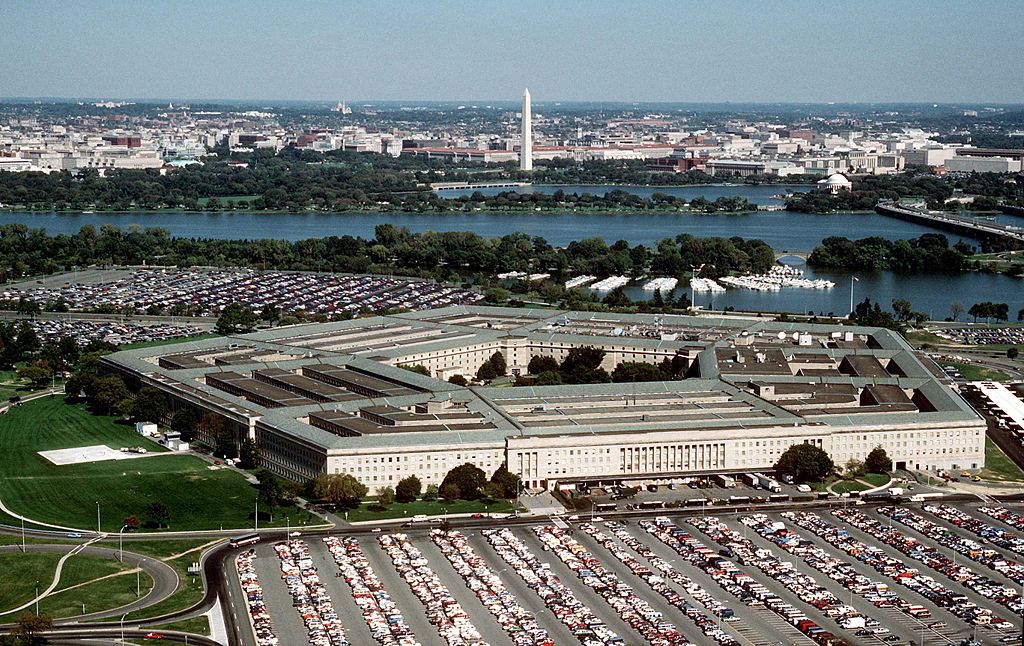
U.S. President Donald Trump has nominated Lieutenant General Frank Donovan, the vice commander of U.S. Special Operations Command, to become the next head of U.S. Southern Command (SOUTHCOM), the military body responsible for overseeing American forces in Latin America and the Caribbean. The nomination, announced by the Pentagon on Friday, comes after the early retirement of Admiral Alvin Holsey, who stepped down two years ahead of schedule during a ceremony in Miami.
According to Reuters, multiple U.S. officials and sources familiar with the matter said Holsey was effectively pushed out by Defense Secretary Pete Hegseth. The officials indicated that Hegseth had grown increasingly frustrated with what he viewed as Holsey’s lack of responsiveness to escalating regional challenges. These developments occur as tensions intensify in the region, particularly involving Venezuela, where recent incidents include the seizure of an oil tanker and nearly 30 deadly strikes targeting suspected drug-smuggling vessels.
Donovan’s nomination reflects a broader shift in U.S. defense strategy. His extensive background in special operations signals a stronger emphasis on counter-narcotics efforts and potential covert missions across Latin America. This move aligns with Trump’s earlier selection of a Chairman of the Joint Chiefs of Staff who also comes from the special operations community, underscoring a Pentagon-wide strategic direction.
The nomination now awaits Senate confirmation, where lawmakers from both parties have already raised concerns about the legality of recent U.S. strikes against suspected drug-trafficking boats in the Caribbean. Despite these questions, the Trump administration has continued to expand its military footprint in the region, deploying approximately 15,000 troops, along with an aircraft carrier, fighter jets, and a nuclear-powered submarine.
The administration’s approach is further outlined in Trump’s newly released National Security Strategy, which prioritizes the Western Hemisphere and calls for a revival of the Monroe Doctrine. The strategy emphasizes U.S. influence as a means to counter rivals such as China and to protect access to critical resources, reinforcing Latin America’s central role in current U.S. foreign and security policy.













