


 Japan's Private Sector Growth Slows in March Amid Rising Costs and Middle East Uncertainty
  Cuba Receives Humanitarian Aid Convoy Amid U.S. Sanctions
  ICE Arrest of Guatemalan Woman at San Francisco Airport Sparks Outrage
  Bank of Japan Eyes April Rate Hike Despite Inflation Dip, ING Says
  US Accelerates Taiwan Arms Deliveries Amid Rising China Threat
  Oil Prices Rebound as Iran Denies U.S. Talks Amid Gulf War Supply Fears
  Iran Demands Lebanon Be Part of Any Ceasefire Deal With Israel and the U.S.
  Japan Eyes Oil Futures Intervention to Stabilize Yen Amid Middle East Crisis
  US-Iran Ceasefire Talks Underway: What You Need to Know
  Federal Reserve Balance Sheet Reduction: Brookings Research Outlines Possible Path Forward
  Asian Markets Rally as Oil Prices Tumble and Middle East Peace Hopes Emerge
  Trump Administration Opens Two New Investigations Into Harvard Over Discrimination and Antisemitism
  Russia Strikes Kharkiv and Izmail as Cross-Border Drone War Escalates
  Bachelet Pushes Forward With UN Secretary-General Bid Despite Chile's Withdrawal
  Trump Administration Settles Lawsuit Barring Federal Agencies from Pressuring Social Media Censorship
  U.S. Futures Slide as Iran Denies Nuclear Talks with Washington
  Iran-U.S. Negotiations: Tehran Reviews American Peace Proposal Amid Ongoing Gulf Conflict


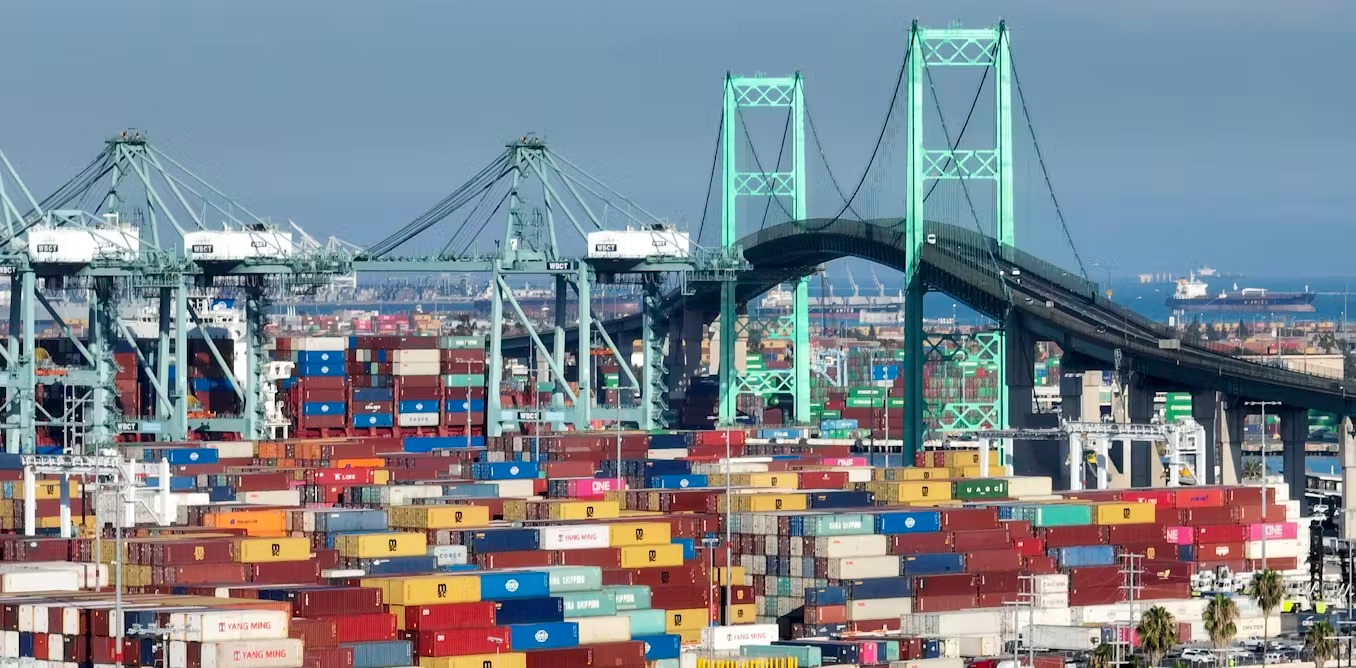
U.S. customs agents began enforcing President Donald Trump’s 10% baseline tariff on imports from multiple countries on Saturday, marking a major shift from post-WWII trade norms. This unilateral move affects goods arriving at U.S. ports, airports, and customs warehouses as of 12:01 a.m. ET. A second round of tariffs, ranging from 11% to 50%, is set to begin Wednesday, targeting 57 key trading partners. Chinese imports will face a 34% hike, bringing total U.S. tariffs on China to 54%, while EU goods will be hit with a 20% tariff.
Despite trade deficits with the U.S., countries like the UK, Brazil, Australia, and Saudi Arabia are among those initially affected. Trump’s administration argues that these countries would show larger deficits if trade terms were more balanced. A 51-day grace period applies to cargo already en route, expiring May 27.
The announcement triggered a global market sell-off, wiping out $5 trillion from the S&P 500, crashing oil and commodity prices, and pushing investors toward U.S. bonds. In response, China imposed matching 34% tariffs on U.S. goods and restricted rare earth exports. Trump hailed the move as “an economic revolution.”
Global leaders expressed concern. French President Emmanuel Macron called for unity, while the UK and Israel sought exemptions or trade deals. Japan, Taiwan, and Vietnam are in talks with the U.S. to mitigate the impact. Italy warned against retaliatory tariffs, and Elon Musk voiced hope for tariff-free U.S.-EU trade.
Though Canada and Mexico are exempt from the new tariffs, they face separate 25% duties for goods not meeting North American trade agreement rules. Over 1,000 critical items, including pharmaceuticals and semiconductors, are currently excluded, but new duties remain under consideration.













