


 Peru Court Frees Former President Ollanta Humala After Conviction Overturned
  Israel Strikes Gaza Near Hospital as Uncertainty Grows Over Hamas Disarmament Deal
  Russian Border Drone Strike Kills Child in Belgorod, Injures Two Others
  Israel Strikes Gaza as Trump Ceasefire Push Faces Fresh Challenges
  DOJ Subpoenas New York Times Freelancer Over North Korea Military Report
  Brown University President Christina Paxson to Step Down After Clashes With Trump Administration
  US Signals More Joint Yen Intervention With Japan if Currency Volatility Continues
  White House: No Weaponized Drones Seized at FIFA World Cup Venues Despite 700 Recoveries
  US State Department Plans to Close Five Foreign Missions in Global Diplomatic Restructuring
  Warner Bros. Discovery Shares Rise as Newsom Pushes Settlement in $110 Billion Merger Fight
  Trump Says Iran Talks to Begin as Strait of Hormuz Deal Nears, Oil Prices Fall
  Ukraine Protests Grow Over Zelensky’s Dismissal of Defence Minister Mykhailo Fedorov
  Taiwan Says U.S. Military Cooperation Is Stronger Than Many Realize
  Spain Installs Floating Barrier as Ceuta Migrant Crossings Halt After Deadly Surge
  Former House Appropriations Chair Kay Granger Dies at 83
  Trump Urges Exxon, Chevron to Cut Gas Prices After Record Oil Profits
  US Supreme Court Lets $655.5 Million Judgment Against Palestinian Authorities Stand During Appeal


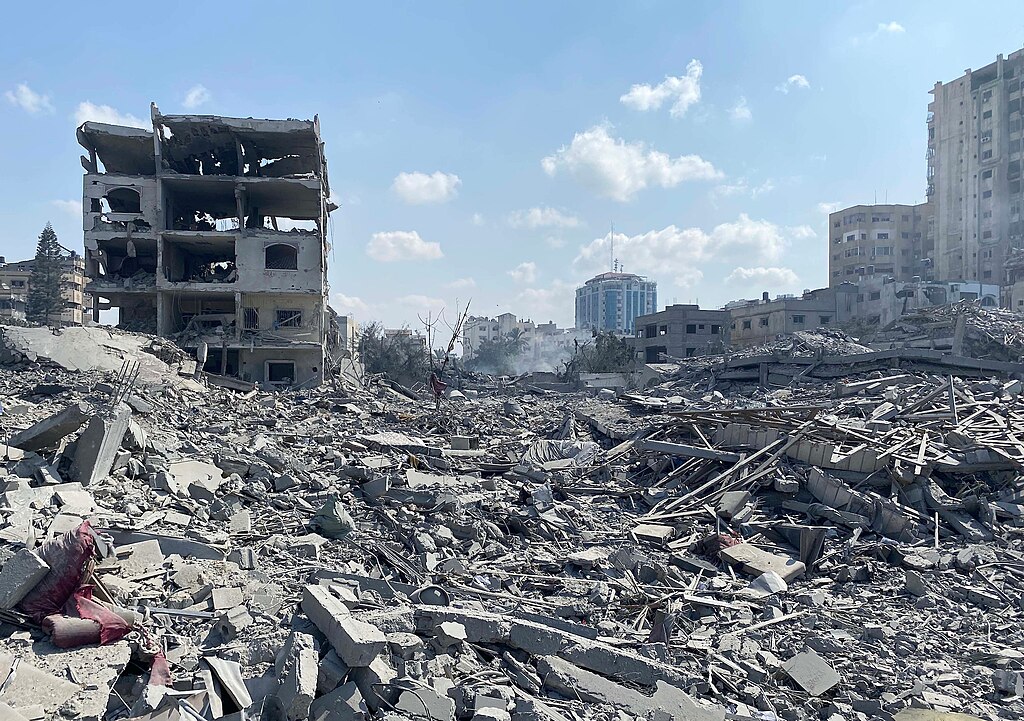
U.S. President Donald Trump’s push for a Gaza peace agreement is facing growing challenges as fresh Israeli airstrikes and disagreements over Hamas’ disarmament continue to stall progress toward ending the war.
Trump recently described the agreement reached last week as a major step toward peace, outlining a phased plan in which Hamas would surrender its weapons while Israeli forces gradually withdraw from Gaza. However, both sides remain divided over the sequence of those commitments.
Israel has insisted that its military will not leave Gaza until Hamas fully disarms and its tunnel network is dismantled. Hamas, meanwhile, maintains that Israel must first halt military operations and begin withdrawing before any discussion of its weapons can move forward.
The U.S.-backed Board of Peace overseeing the ceasefire said its envoy, Nikolay Mladenov, held productive talks with Israeli Prime Minister Benjamin Netanyahu and other officials. The board reaffirmed that Gaza’s future depends on the complete removal of weapons and the transition to civilian governance, adding that Israeli troop withdrawals beyond the designated "yellow line" will only occur after Hamas fulfills its disarmament commitments.
Palestinian officials involved in the negotiations criticized the statement for emphasizing disarmament while making no mention of the ceasefire or the suspension of Israeli military operations, both of which they consider essential parts of the agreement.
Meanwhile, violence continues across Gaza. Palestinian health officials said Israeli strikes killed 18 people on Sunday, one of the deadliest days since the ceasefire, while another airstrike in Gaza City killed two more people on Monday. Israel said it targeted Hamas military operatives.
Residents described relentless bombardment and worsening humanitarian conditions, with many saying hopes raised by Trump's announcement have been replaced by renewed fear and displacement. Israel has expanded the territory under its military control to between 60% and 70% of Gaza, according to Defense Minister Israel Katz, forcing additional families to flee.
Mediators Egypt, Qatar, and Turkey condemned the ongoing attacks, warning they violate the ceasefire agreement and threaten efforts to implement its next phase. Since the Trump-backed peace plan was announced in October, Gaza health authorities say at least 1,230 Palestinians have been killed, while Israeli authorities report four Israeli soldiers have died during the same period.







