


 Trump Administration Dismisses Entire National Science Board, Raising Concerns Over Scientific Independence
  Trump Inspects Lincoln Memorial Reflecting Pool Renovation in Washington
  U.S., South Korea Launch Shipbuilding Partnership Initiative
  U.S. Budget Airlines Seek $2.5 Billion Government Aid Amid Rising Jet Fuel Costs
  Judge Delays SEC Settlement With Elon Musk Over Twitter Stock Disclosure Case
  US Revises UN Resolution on Iran Strait of Hormuz Attacks Amid Russia-China Opposition
  US Launches Retaliatory Strikes on Iran Amid Rising Strait of Hormuz Tensions
  Israel’s Secret Iraq Base Allegedly Supported Iran Air Campaign, WSJ Reports
  Russia Downs Over 50 Drones Near Moscow Ahead of Victory Day Ceasefire
  CDC Monitors U.S. Travelers After Hantavirus Outbreak on Luxury Cruise Ship
  Senate Stablecoin Bill Sparks Clash Between Banks and Crypto Industry
  New York Moves to Ban Masked Law Enforcement During Immigration Operations
  US to Withdraw 5,000 Troops from Germany Amid Growing Rift with European Allies
  US-Iran Ceasefire Under Pressure as Fresh Strait of Hormuz Clashes Shake Oil Markets
  Trump Reportedly Approves Plan to Remove FDA Commissioner Marty Makary Amid Growing Controversies
  US Sanctions Target Iran’s Shadow Banking Network and Terror Financing
  Brazil Pension Fund Crackdown After Banco Master Collapse Raises Investment Concerns


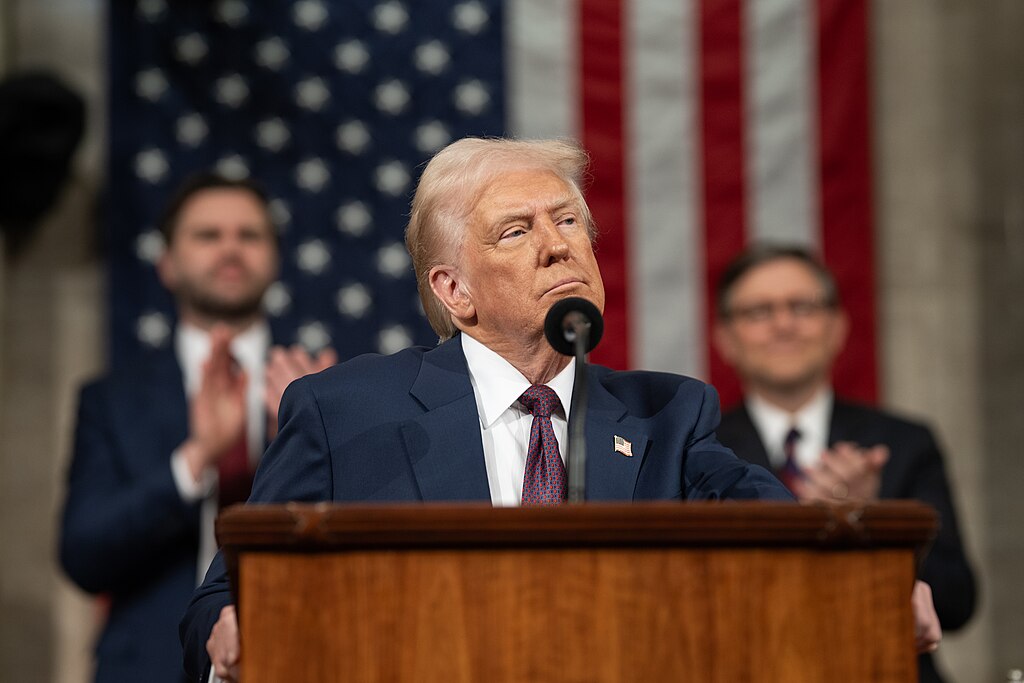
Washington’s decision to expand U.S. travel restrictions to include Antigua and Barbuda and Dominica is raising serious concerns across the Caribbean, where access to the United States plays a vital role in tourism, education, healthcare, business, and family connections. On December 16, Republican U.S. President Donald Trump announced that the two small Caribbean nations would be added to a list of countries subject to a partial travel ban, citing concerns over passport security and citizenship-by-investment programs. The new restrictions are set to take effect on January 1.
The policy blocks entry to the United States under visas previously used for temporary travel such as tourism and business, triggering fears of widespread economic disruption. Tourism is a cornerstone of Caribbean economies, accounting for a significant share of employment and foreign exchange earnings. Industry leaders warn that reduced passenger traffic could force airlines to cut routes, making Caribbean destinations harder to reach and further hurting visitor numbers.
Business owners and residents in Antigua and Barbuda say the impact will be immediate and far-reaching. Many flights bringing U.S. tourists to the islands rely on local residents traveling back to the United States on return legs. If Antiguans are unable to travel, airlines may face half-empty planes, threatening route viability and tourism growth. Beyond tourism, the restrictions could affect education, trade, and especially healthcare, as many Caribbean residents depend on U.S. hospitals and medical specialists for advanced treatment.
The announcement has also disrupted family life, particularly during the holiday season, as many Caribbean families are split between the islands and the United States. Some residents now face the prospect of being unable to visit elderly or hospitalized relatives, deepening anxiety across the region.
The White House said the move was driven by national security concerns related to screening, vetting, and information-sharing deficiencies. Antigua and Barbuda’s Prime Minister Gaston Browne rejected the claims, stating that his government has worked closely with U.S. authorities to strengthen safeguards and ensure its citizenship program poses no security risk.
For many Caribbean nations already struggling with climate change, rising costs, and limited economic diversification, the expanded U.S. travel ban is seen as another policy decision with outsized consequences for small, tourism-dependent economies.







