


 Trump Doubts Iran Mining Reports as Strait of Hormuz Tensions Escalate
  Bipartisan Housing Bill Advances in Senate, Aims to Tackle U.S. Affordability Crisis
  Trump Administration Spent $5.6 Billion in Munitions in Opening Days of Iran Strikes
  IEA Releases Record 400 Million Barrels of Oil Amid U.S.-Iran War
  Boeing Secures $289 Million Smart Bomb Contract With Israel
  Trump Administration Launches Trade Investigations Against 16 Countries Over Industrial Overcapacity
  Anthropic Sues Pentagon Over AI Blacklist, Citing Free Speech Violations
  Iran-U.S. Oil Tensions Escalate as Revolutionary Guards Threaten Strait of Hormuz Blockade
  Ukraine Strikes Russian Missile Component Factory in Bryansk Using British Weapons
  Iran Mines Strait of Hormuz: Crude Oil Prices Surge Amid Middle East Tensions
  Iran's Government Remains Stable Despite U.S. and Israeli Strikes, Intelligence Shows
  Mexico's Electoral Reform Bill Fails in Congress as Coalition Fractures
  U.S. Senate Greenlights AI Chatbots for Official Staff Use
  Israel-Iran War: Herzog Urges Patience as U.S. and Israeli Strikes Intensify
  Shots Fired at U.S. Consulate in Toronto in Suspected National Security Incident
  Venezuela Names Paula Henao as New Oil Minister Amid U.S.-Led Industry Overhaul
  U.S. and Russia Hold Diplomatic Talks in Florida Amid Ongoing Tensions


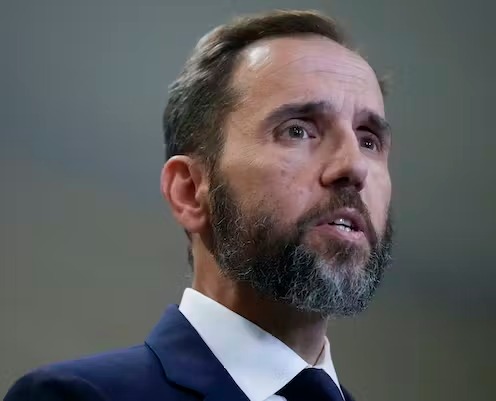
U.S. President Donald Trump on Thursday escalated his criticism of former Special Counsel Jack Smith, calling for Smith to be prosecuted over what Trump described as “large scale perjury,” a claim made without providing evidence. The remarks followed Smith’s testimony before Congress earlier the same day, marking his first public appearance since stepping down as special counsel last year ahead of Trump’s return to the White House.
In a series of posts on social media, Trump accused Smith of wrongdoing related to his handling of the federal prosecutions against him. Smith previously led investigations into Trump’s efforts to overturn the 2020 presidential election and his retention of classified documents after leaving office. Both cases failed to result in Trump’s conviction, with legal challenges and political developments ultimately halting the prosecutions.
Trump said his call for Smith to be prosecuted was based on statements Smith made during his congressional testimony. During the hearing, Smith stated that he believed the Justice Department under Trump’s administration would likely seek to indict him, suggesting that political retaliation could be a possibility. Smith did not provide specific details or evidence to support that belief but framed it as a concern rooted in the current political climate.
The former special counsel’s testimony quickly drew attention, reigniting debates over the independence of the Justice Department, the role of special counsels, and the politicization of high-profile investigations. Trump, who has long argued that the cases against him were politically motivated, used the moment to reinforce his narrative that he was unfairly targeted by federal prosecutors.
Smith has not publicly responded to Trump’s accusations beyond his testimony, and there has been no indication from the Justice Department that it is pursuing any investigation into Smith. Legal experts note that allegations of perjury require clear evidence that false statements were knowingly made under oath, a high legal threshold.
The exchange underscores the ongoing tension between Trump and the federal legal system as he begins his new term in office. It also highlights broader concerns about political pressure on prosecutors and the precedent such disputes may set for future administrations. As the situation continues to develop, it is likely to remain a focal point in U.S. political and legal discourse, drawing close scrutiny from lawmakers, analysts, and the public alike.













