


 Trump Administration Files Fraud Charges Against Southern Poverty Law Center Over Informant Payments
  Palestinian Local Elections Resume in Gaza and West Bank Amid Low Turnout and Ongoing Crisis
  Russian Drone Strike on Odesa Injures Civilians and Damages Key Infrastructure
  US Envoy Urges Taiwan to Approve Defense Budget Amid Rising China Tensions
  Myanmar Grants Amnesty to Over 4,000 Prisoners Under New President Min Aung Hlaing
  India Slams “Hellhole” Remark Linked to Trump Post, Reaffirms Strong US Relations
  Elon Musk Faces French Probe Over X and Grok Amid Rising U.S.-EU Tensions
  Trump Administration Proposes New Rule to Limit Joint Employer Liability
  DHS Shutdown Delays World Cup Security Planning Despite Full Funding Release
  U.S. and EU Strengthen Critical Minerals Partnership to Reduce China Dependence
  Bennett and Lapid Form Alliance to Challenge Netanyahu in Upcoming Israel Election
  White House Correspondents’ Dinner Shooting Raises New Security Concerns for U.S. Leaders
  Trump Gala Security Scare: Suspect Arrested After Attempted Attack on U.S. Officials
  Araqchi Leads Iran’s Diplomatic Push as U.S. Talks and Oil Market Tensions Rise
  US Freezes $344M in Crypto Linked to Iran Amid Escalating Sanctions
  Brazil Pension Fund Crackdown After Banco Master Collapse Raises Investment Concerns


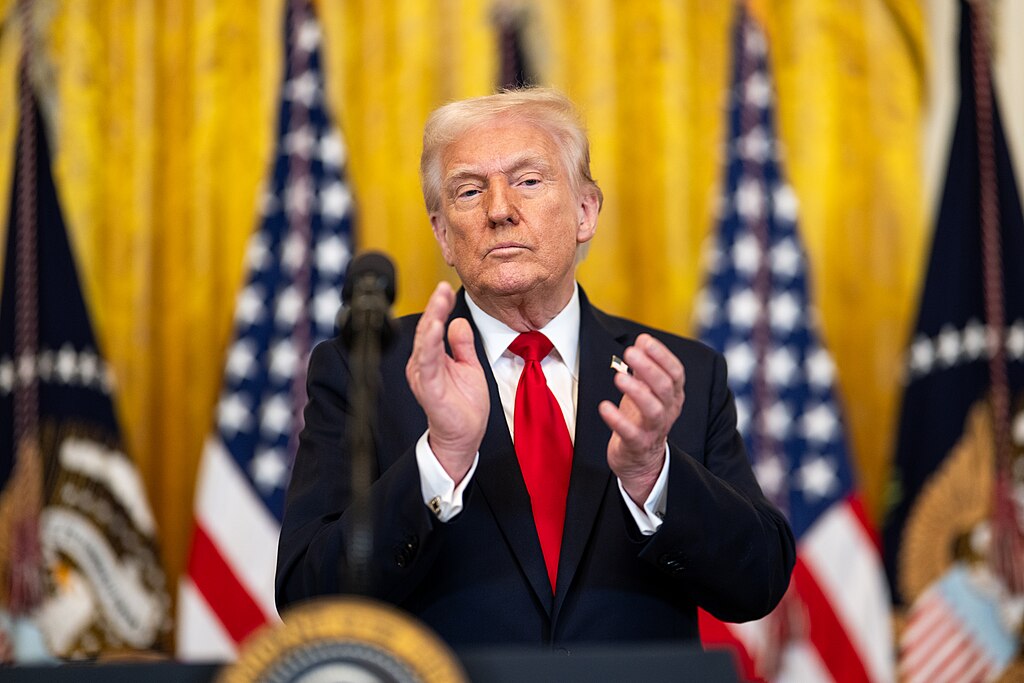
The Trump administration has officially introduced the “Trump Gold Card,” a premium visa program that offers non-U.S. citizens an expedited pathway to live and work in the United States—at a steep cost. Launched through Trumpcard.gov, the initiative invites applicants to pay a $15,000 processing fee to the Department of Homeland Security before undergoing required background checks. Once approved, participants must contribute an additional $1 million “gift” or “contribution” to secure the visa, which the administration describes as a stronger, more prestigious alternative to the traditional Green Card.
President Donald Trump touted the program as a superior immigration option, emphasizing that recipients must be “great people” and highlighting its enhanced pathway to U.S. residency. Commerce Secretary Howard Lutnick reported that roughly 10,000 individuals pre-registered, predicting that the program could eventually generate billions of dollars in revenue for the U.S. Treasury. According to Lutnick, the initiative aims to attract high-earning individuals who can positively impact the American economy, contrasting them with what he described as “average” Green Card holders—though he provided no evidence to support his claims.
This visa model mirrors wealth-based immigration programs used in other countries and aligns with Trump’s broader immigration strategy, which has simultaneously tightened restrictions on both legal and illegal immigration. The Gold Card program, however, serves as a revenue-generating counterbalance, echoing the administration’s view that high-value applicants can boost economic growth similar to how Trump claims tariffs have benefited the U.S.
Additionally, a corporate Gold Card option enables companies to fast-track employee visas for a $2 million contribution per worker, providing businesses a costly but expedited immigration route.
This premium visa program underscores the administration’s continued focus on monetizing immigration pathways while reshaping the nation’s broader immigration policies.







