


 U.S. Patriot Missiles Redeployed From South Korea Amid Middle East Conflict
  Iran's Government Remains Stable Despite U.S. and Israeli Strikes, Intelligence Shows
  Iran Mines Strait of Hormuz: Crude Oil Prices Surge Amid Middle East Tensions
  Iran-U.S. Oil Tensions Escalate as Revolutionary Guards Threaten Strait of Hormuz Blockade
  Ukraine Strikes Russian Missile Component Factory in Bryansk Using British Weapons
  U.S.-Israel War on Iran Sends Crude Oil Prices Surging Amid Strait of Hormuz Tensions
  Taiwan's MQ-9B SkyGuardian Drone Order Stays on Schedule Despite Middle East Conflict
  Boeing Secures $289 Million Smart Bomb Contract With Israel
  After the Iran war, Persian Gulf nations face tough decisions on the US – a former diplomat explains
  Mexico's Electoral Reform Bill Fails in Congress as Coalition Fractures
  Trump Administration Spent $5.6 Billion in Munitions in Opening Days of Iran Strikes
  Trump Hints at Possible U.S. Takeover of Cuba Amid Deepening Humanitarian Crisis
  IEA Releases Record 400 Million Barrels of Oil Amid U.S.-Iran War
  U.S. and Russia Hold Diplomatic Talks in Florida Amid Ongoing Tensions
  Trump Administration Launches Trade Investigations Against 16 Countries Over Industrial Overcapacity
  Trump Doubts Iran Mining Reports as Strait of Hormuz Tensions Escalate
  Iran-Israel War Sparks Global Oil Crisis as Tankers Burn in Gulf Waters


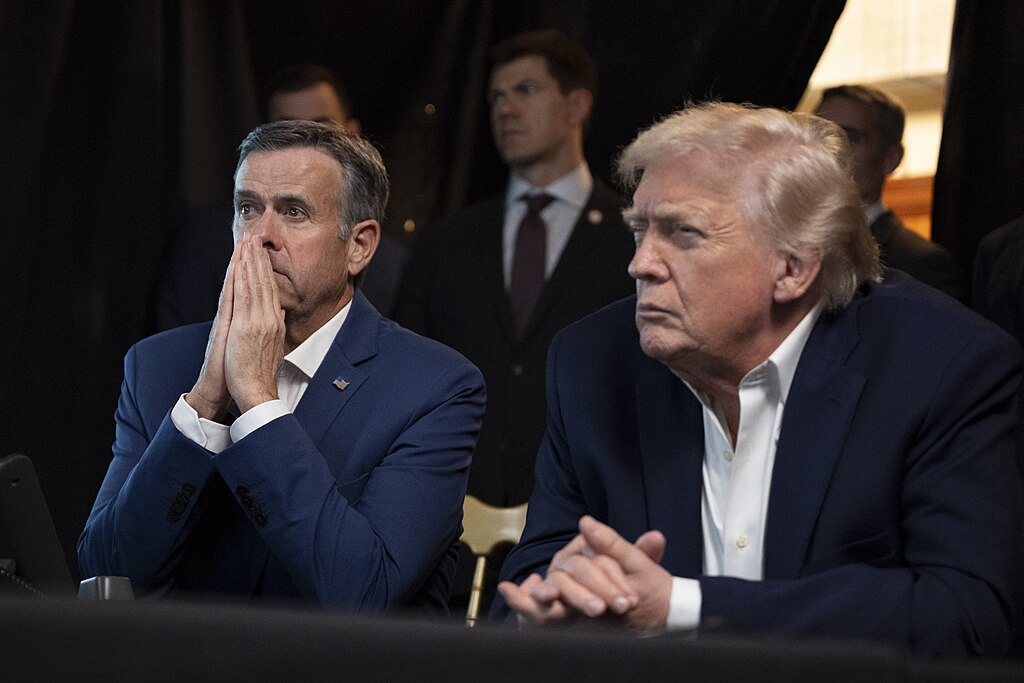
Following the dramatic removal of President Nicolas Maduro from power, the Trump administration is escalating pressure on Venezuela’s remaining leadership in an effort to reshape the country’s political and energy future. According to sources familiar with the strategy, Washington is betting that a combination of military intimidation, economic leverage, and behind-the-scenes diplomacy can force Maduro’s inner circle to cooperate with U.S. demands.
U.S. officials believe threats of further military action could compel key Venezuelan figures to fall in line, especially after recent U.S. air strikes severely weakened the country’s air defense systems. The administration is also reportedly considering incentives such as amnesty or safe exile for Maduro loyalists, offers similar to those rejected by Maduro before his capture by U.S. special forces. He is currently being held in New York, awaiting court proceedings on drug-related charges.
A central figure in the U.S. calculus is Interim President Delcy Rodriguez, who has assumed leadership with the backing of Venezuela’s top court while maintaining that Maduro remains president. Despite her public defiance and accusations that the U.S. is attempting to seize Venezuela’s oil wealth, American officials see Rodriguez as a pragmatic technocrat with deep ties to the oil sector and the private industry. The Trump administration believes she could be persuaded to cooperate on a political transition and reopen pathways for U.S. oil investment.
However, obstacles remain. Defense Minister Vladimir Padrino and Interior Minister Diosdado Cabello, both facing multimillion-dollar U.S. bounties, retain significant control over Venezuela’s military and intelligence services, making them potential spoilers. Domestically, Trump’s strategy could also face resistance if Democrats and dissenting Republicans move to restrict funding for further military operations.
Beyond military pressure, the U.S. continues to enforce a strict “quarantine” on Venezuelan oil exports, cutting off the government’s primary revenue stream. While Trump has spoken of “running” post-Maduro Venezuela, aides suggest the goal is heavy influence rather than direct governance. Critics have condemned the approach as neocolonial, warning it could alienate both Venezuelans and U.S. voters wary of foreign intervention.
For now, Washington’s strategy hinges on sustained military presence, economic sanctions, and calculated diplomacy to steer Venezuela toward a U.S.-friendly transition while securing access to one of the world’s largest oil reserves.













