


 U.S. Senate Greenlights AI Chatbots for Official Staff Use
  Pentagon Taps Wall Street Talent to Manage $200 Billion Defense Investment Fund
  Trump Doubts Iran Mining Reports as Strait of Hormuz Tensions Escalate
  U.S. Calls for Reassessment of International Aid to Taliban-Ruled Afghanistan
  Iran-Israel War Sparks Global Oil Crisis as Tankers Burn in Gulf Waters
  Bipartisan Housing Bill Advances in Senate, Aims to Tackle U.S. Affordability Crisis
  After the Iran war, Persian Gulf nations face tough decisions on the US – a former diplomat explains
  Israel-Iran War: Herzog Urges Patience as U.S. and Israeli Strikes Intensify
  Trump Hints at Possible U.S. Takeover of Cuba Amid Deepening Humanitarian Crisis
  Russian Drone Strikes Hit Kharkiv and Dnipro, Injuring Over 20 Civilians
  FBI Warns of Possible Iranian Drone Attacks on California Amid U.S.-Iran War
  Iran-U.S. Oil Tensions Escalate as Revolutionary Guards Threaten Strait of Hormuz Blockade
  Iran Mines Strait of Hormuz: Crude Oil Prices Surge Amid Middle East Tensions
  Mexico's Electoral Reform Bill Fails in Congress as Coalition Fractures
  Ukraine Strikes Russian Missile Component Factory in Bryansk Using British Weapons
  Trump Administration Spent $5.6 Billion in Munitions in Opening Days of Iran Strikes
  Shots Fired at U.S. Consulate in Toronto in Suspected National Security Incident


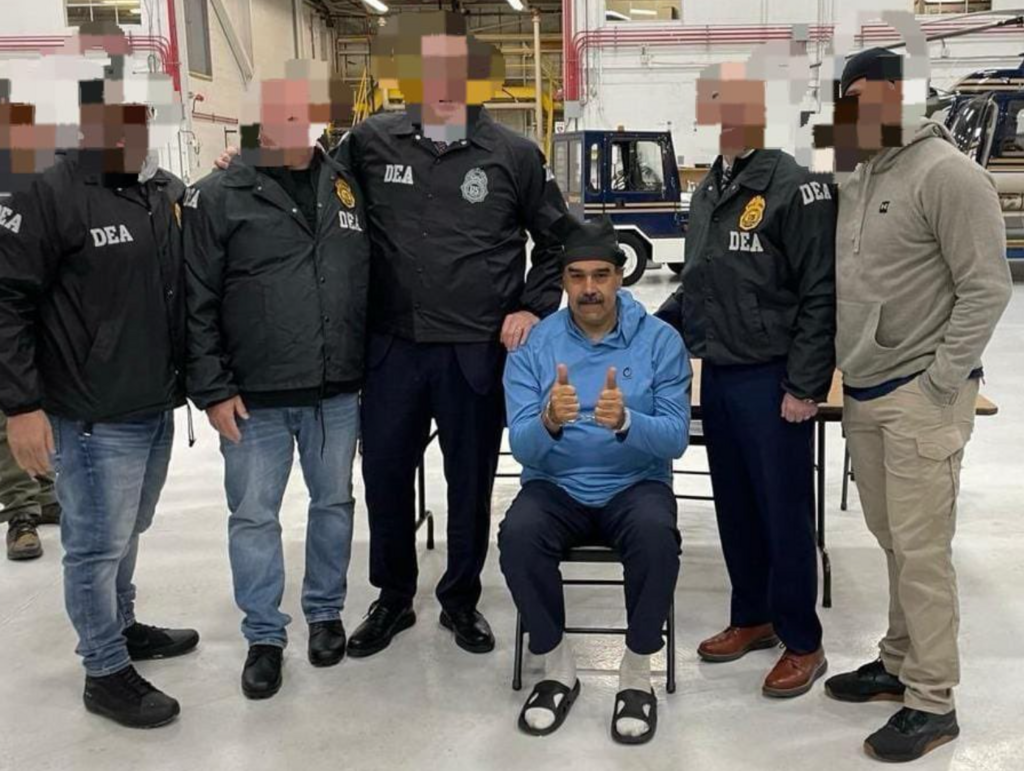
The Trump administration has reportedly intensified pressure on key Venezuelan power brokers following the removal of longtime leader Nicolas Maduro, signaling a hardline approach to shaping a post-Maduro transition. According to people familiar with U.S. deliberations, Washington has warned Diosdado Cabello, Venezuela’s influential interior minister and a figure accused of serious human rights abuses, that he could become a top U.S. target unless he cooperates with American demands and helps maintain order during a fragile transition period.
Cabello, a staunch Maduro loyalist with deep influence over Venezuela’s security forces, is seen by U.S. officials as both a temporary necessity and a potential risk. While the administration believes certain members of Maduro’s inner circle may be best positioned to prevent chaos, officials are wary that Cabello could undermine Interim President Delcy Rodriguez, whom Washington views as central to ensuring short-term stability. U.S. intermediaries have allegedly warned Cabello that defiance could lead to prosecution similar to Maduro’s or even put his personal safety at risk.
The United States is also closely watching Defense Minister Vladimir Padrino, another sanctioned official facing drug trafficking indictments. American officials consider Padrino’s cooperation critical because of his command of the armed forces and believe he may be more pragmatic and open to negotiating a safe exit. Preventing a power vacuum and widespread unrest, including potential violence from pro-government colectivos, is a top priority for Washington as it seeks to avoid deploying U.S. ground troops.
At the same time, U.S. officials have expressed doubts that Venezuela’s opposition could maintain public order during a transition. Instead, the administration has leaned on intelligence assessments suggesting that former Maduro allies are better positioned to govern temporarily. This approach is driven in part by U.S. strategic interests, including curbing illegal migration, disrupting drug trafficking, and reopening Venezuela’s oil sector to U.S. companies.
Delcy Rodriguez is viewed as a key intermediary willing to engage with Washington on economic and security issues. U.S. demands reportedly include expelling Cuban security forces, ending cooperation with Iran, cracking down on narcotics trafficking, and liberalizing the oil industry. While the administration has stated that new elections remain a long-term goal, critics argue the strategy amounts to heavy-handed foreign influence and raises serious questions about international law and regional stability.













