


 Trump-Putin Call Addresses Iran War, Ukraine Peace, and Global Oil Crisis
  IEA Releases Record 400 Million Barrels of Oil Amid U.S.-Iran War
  Iran's Government Remains Stable Despite U.S. and Israeli Strikes, Intelligence Shows
  FBI Warns of Possible Iranian Drone Attacks on California Amid U.S.-Iran War
  Venezuela Names Paula Henao as New Oil Minister Amid U.S.-Led Industry Overhaul
  Iran-U.S. Oil Tensions Escalate as Revolutionary Guards Threaten Strait of Hormuz Blockade
  U.S.-Israel War on Iran Sends Crude Oil Prices Surging Amid Strait of Hormuz Tensions
  U.S. and Russia Hold Diplomatic Talks in Florida Amid Ongoing Tensions
  After the Iran war, Persian Gulf nations face tough decisions on the US – a former diplomat explains
  Trump Administration Spent $5.6 Billion in Munitions in Opening Days of Iran Strikes
  Trump Hints at Possible U.S. Takeover of Cuba Amid Deepening Humanitarian Crisis
  Taiwan's MQ-9B SkyGuardian Drone Order Stays on Schedule Despite Middle East Conflict
  Bipartisan Housing Bill Advances in Senate, Aims to Tackle U.S. Affordability Crisis
  Russian Drone Strikes Hit Kharkiv and Dnipro, Injuring Over 20 Civilians
  Trump Administration Launches Trade Investigations Against 16 Countries Over Industrial Overcapacity
  U.S. Patriot Missiles Redeployed From South Korea Amid Middle East Conflict
  U.S. Senate Greenlights AI Chatbots for Official Staff Use


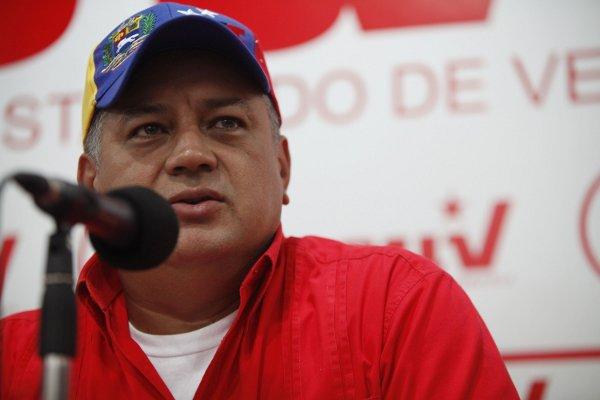
Senior officials from the Trump administration held months-long communications with Venezuela’s powerful interior minister Diosdado Cabello prior to the U.S.-led operation that resulted in the seizure and removal of President Nicolas Maduro, according to multiple sources familiar with the matter. These discussions reportedly continued both immediately before and after the January 3 raid, underscoring Washington’s efforts to manage political stability in Venezuela during a volatile transition.
Sources said U.S. officials warned Cabello not to deploy the security forces, intelligence services, police, military units, or pro-government militias under his influence against opposition groups. Despite Maduro’s removal, much of Venezuela’s security apparatus remains intact, making Cabello a central figure in determining whether the country descends into unrest or maintains order.
Cabello, 62, is named in the same U.S. drug-trafficking indictment that the Trump administration cited to justify Maduro’s arrest. However, he was not detained during the operation. Communications with Cabello reportedly included discussions about U.S. sanctions and the indictment he faces, with contact occurring both directly and through intermediaries.
Although it remains unclear whether talks covered Venezuela’s future governance or whether Cabello complied with U.S. warnings, he has publicly pledged loyalty to interim President Delcy Rodriguez. The Trump administration has viewed Rodriguez as a key figure in its post-Maduro strategy, but U.S. officials remain wary that Cabello could undermine those plans due to his history of repression and rivalry within the ruling elite.
Long considered Venezuela’s second-most powerful figure, Cabello is a former military officer and close ally of the late Hugo Chavez. He has been closely linked to domestic surveillance operations and armed civilian groups known as colectivos. While Washington sees him as a stabilizing force in the short term, analysts say his eventual removal would signal genuine democratic change.
The Venezuelan government has denied reports of secret communications, while the White House declined to comment. Meanwhile, Cabello remains under heavy U.S. sanctions, with a $25 million reward offered for information leading to his capture.













