


 ANZ and Westpac Forecast Two RBA Rate Hikes in March and May 2026
  Anthropic Sues Pentagon Over AI Blacklist, Citing Free Speech Violations
  Dollar Stabilizes Amid Iran War Uncertainty as Oil Prices Remain Elevated
  Iran Mines Strait of Hormuz: Crude Oil Prices Surge Amid Middle East Tensions
  IEA Plans Record Emergency Oil Release Amid Iran Strait of Hormuz Crisis
  China's Trade Surplus Surges Past Forecasts in Early 2026
  UK Housing Market Slows Amid Geopolitical Tensions and Mortgage Rate Fears
  Mexico's Electoral Reform Bill Fails in Congress as Coalition Fractures
  Venezuela Names Paula Henao as New Oil Minister Amid U.S.-Led Industry Overhaul
  Iran-U.S. Oil Tensions Escalate as Revolutionary Guards Threaten Strait of Hormuz Blockade
  Boeing Secures $289 Million Smart Bomb Contract With Israel
  Trump Doubts Iran Mining Reports as Strait of Hormuz Tensions Escalate
  Trump Administration Launches Trade Investigations Against 16 Countries Over Industrial Overcapacity
  Taiwan's MQ-9B SkyGuardian Drone Order Stays on Schedule Despite Middle East Conflict
  Trump Announces New U.S. Oil Refinery in Texas with Indian Energy Giant Reliance
  IEA Releases Record 400 Million Barrels of Oil Amid U.S.-Iran War
  Shots Fired at U.S. Consulate in Toronto in Suspected National Security Incident


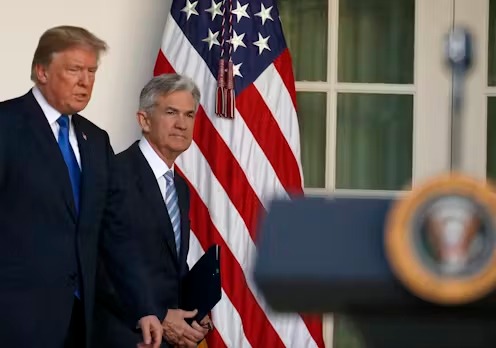
The Trump administration’s decision to launch a criminal investigation into Federal Reserve Chair Jerome Powell has triggered strong criticism from former central bank leaders, Republican lawmakers, and global financial figures, raising fresh concerns about the independence of the U.S. central bank and potential market fallout.
The investigation became public after Powell disclosed that the Federal Reserve had received subpoenas from the U.S. Justice Department. According to sources, the probe was approved by Jeanine Pirro, the U.S. Attorney in Washington and a close ally of President Donald Trump, without briefing Attorney General Pam Bondi or Deputy Attorney General Todd Blanche. The focus of the investigation centers on Powell’s past testimony to Congress regarding cost overruns tied to a $2.5 billion renovation of historic Fed headquarters buildings.
Powell sharply criticized the move, calling it a “pretext” aimed at pressuring the Fed to align interest rate decisions with White House preferences. He emphasized that while he respects the rule of law, the threat of criminal charges must be viewed in the context of sustained political pressure for lower interest rates.
The response was swift. Former Fed Chairs Janet Yellen, Ben Bernanke, and Alan Greenspan warned that undermining central bank independence mirrors practices seen in emerging markets with weak institutions, often leading to higher inflation and economic instability. Republican senators, including Thom Tillis, Lisa Murkowski, and Kevin Cramer, also condemned the investigation, warning it could destabilize markets and damage economic credibility.
Financial markets reacted cautiously but noticeably. Long-term U.S. Treasury yields rose, gold hit record highs, and the dollar weakened, reflecting investor anxiety over potential political interference in monetary policy. Analysts noted that congressional pushback and bipartisan criticism helped limit broader market turmoil.
Powell, whose term as Fed chair ends in May but who can remain on the Board of Governors until 2028, suggested the investigation could strengthen his resolve to stay. As legal and political tensions escalate, the episode marks a pivotal moment in the ongoing clash between the White House and the Federal Reserve, with lasting implications for economic policy, market stability, and institutional independence.













