


 Gold Prices Climb Above $5,200 as Iran War Uncertainty and Inflation Data Loom
  Trump Doubts Iran Mining Reports as Strait of Hormuz Tensions Escalate
  China's Trade Surplus Surges Past Forecasts in Early 2026
  Taiwan's MQ-9B SkyGuardian Drone Order Stays on Schedule Despite Middle East Conflict
  Shots Fired at U.S. Consulate in Toronto in Suspected National Security Incident
  Bipartisan Housing Bill Advances in Senate, Aims to Tackle U.S. Affordability Crisis
  U.S. Senate Greenlights AI Chatbots for Official Staff Use
  Nations will release an extra 400 million barrels of oil to the market. All we need to do now is not panic at the pump
  Trump Hints at Possible U.S. Takeover of Cuba Amid Deepening Humanitarian Crisis
  Iran Mines Strait of Hormuz: Crude Oil Prices Surge Amid Middle East Tensions
  Pentagon Taps Wall Street Talent to Manage $200 Billion Defense Investment Fund
  Dollar Steadies as Traders Await Clarity on U.S.-Israel-Iran War
  Venezuela Names Paula Henao as New Oil Minister Amid U.S.-Led Industry Overhaul
  Russian Drone Strikes Hit Kharkiv and Dnipro, Injuring Over 20 Civilians
  Gold Prices Slip as U.S.-Israel-Iran War Fuels Dollar and Oil Demand
  Asian Currencies Face Pressure as U.S.-Iran Conflict Weighs on Markets
  German Exports Drop 2.3% in January, Exceeding Forecast Decline


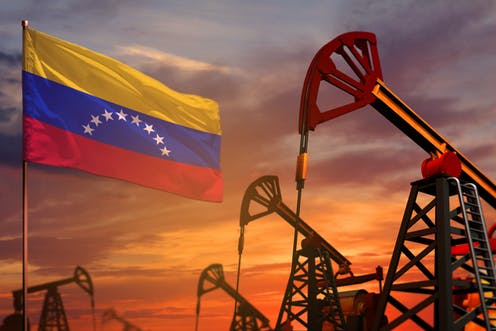
The Trump administration is reportedly developing a far-reaching plan to exert long-term influence over Venezuela’s oil industry, with the strategic goal of lowering global crude prices to around $50 per barrel, according to a Wall Street Journal report published Thursday. The initiative is said to focus on gaining leverage over Petróleos de Venezuela SA (PdVSA), the country’s state-run oil company, which has long been central to Venezuela’s economy and global energy markets.
Sources cited in the report indicate that former President Donald Trump told aides that controlling Venezuelan oil output could significantly impact global oil prices, aligning with his broader objective of reducing energy costs to fight inflation and bolster political support among voters. By influencing production and exports from Venezuela, the United States could potentially gain control over a substantial portion of oil supplies in the Western Hemisphere while also limiting crude flows to China, one of Venezuela’s key buyers.
Trump recently claimed that Venezuela agreed to hand over between 30 million and 50 million barrels of oil to the United States, with Washington overseeing the revenue generated from those sales. This statement followed reports of a U.S. military incursion into Venezuela that allegedly led to the capture of President Nicolás Maduro, a development that, if realized, would mark a dramatic shift in U.S.–Venezuela relations and global geopolitics.
In the aftermath, Trump reportedly suggested that Washington would take control of Venezuela’s oil sector and invited major U.S. energy companies to invest in the country. Chevron has emerged as a key player in these discussions, as it remains the only U.S. oil major with existing operations in Venezuela despite long-standing sanctions.
Oil prices fell sharply following news of the U.S. action, as markets reacted to the possibility that Venezuela’s vast oil reserves could re-enter global supply chains. Analysts warned that an influx of Venezuelan crude could exacerbate fears of a supply glut in 2026, further pressuring prices. The unfolding situation highlights how U.S. policy toward Venezuela could reshape energy markets, oil prices, and geopolitical dynamics for years to come.













