


 Boeing Secures $289 Million Smart Bomb Contract With Israel
  U.S. Patriot Missiles Redeployed From South Korea Amid Middle East Conflict
  Israel-Iran War: Herzog Urges Patience as U.S. and Israeli Strikes Intensify
  Taiwan's MQ-9B SkyGuardian Drone Order Stays on Schedule Despite Middle East Conflict
  Iran-Israel War Sparks Global Oil Crisis as Tankers Burn in Gulf Waters
  Trump Doubts Iran Mining Reports as Strait of Hormuz Tensions Escalate
  Venezuela Names Paula Henao as New Oil Minister Amid U.S.-Led Industry Overhaul
  Iran Mines Strait of Hormuz: Crude Oil Prices Surge Amid Middle East Tensions
  IEA Releases Record 400 Million Barrels of Oil Amid U.S.-Iran War
  Trump-Putin Call Addresses Iran War, Ukraine Peace, and Global Oil Crisis
  Anthropic Sues Pentagon Over AI Blacklist, Citing Free Speech Violations
  Iran-U.S. Oil Tensions Escalate as Revolutionary Guards Threaten Strait of Hormuz Blockade
  Japan's BOJ Independence Under Fire as PM Takaichi's Rate Stance Draws Political Heat
  Bipartisan Housing Bill Advances in Senate, Aims to Tackle U.S. Affordability Crisis
  U.S. Senate Greenlights AI Chatbots for Official Staff Use
  Trump Administration Spent $5.6 Billion in Munitions in Opening Days of Iran Strikes


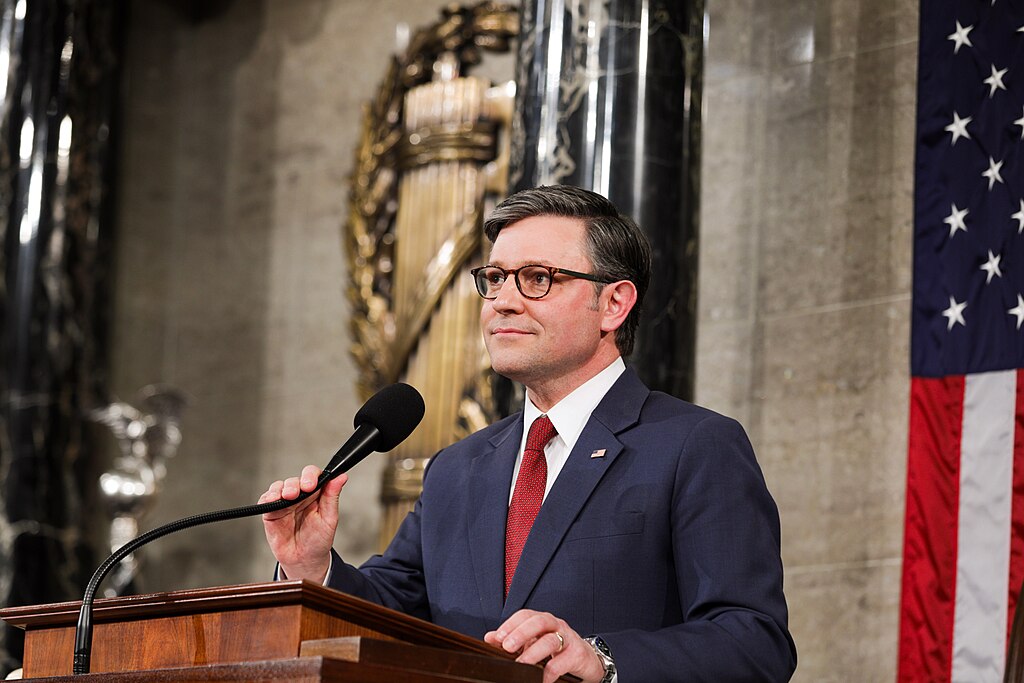
Republican lawmakers said President Donald Trump does not intend to occupy or engage in nation-building in Venezuela, following a classified congressional briefing on U.S. policy toward the South American country. The briefing came after a controversial U.S. military operation that resulted in the capture of Venezuelan President Nicolas Maduro and reignited debate over war powers, regime change, and U.S. involvement abroad.
House Speaker Mike Johnson said the United States is not occupying Venezuela and has no armed forces stationed there. He emphasized that the Trump administration’s actions do not resemble traditional nation-building efforts seen in past conflicts. Representative Brian Mast, chairman of the House Foreign Affairs Committee, echoed that message, stating the administration is not pursuing a protracted war strategy and aims to avoid another “endless war” similar to the two-decade conflict in Afghanistan.
The briefing, which lasted more than two and a half hours, was led by Secretary of State Marco Rubio, Secretary of Defense Pete Hegseth, and other senior officials. It followed Trump’s decision to send U.S. troops into Caracas over the weekend to seize Maduro, who later pleaded not guilty in New York to U.S. narcotics charges. The move shocked international leaders, disrupted Venezuela’s government, and angered many Democrats.
Democratic leaders accused the Trump administration of misleading Congress by denying plans for regime change. Senate Majority Leader Chuck Schumer said the administration’s vision for U.S. involvement in Venezuela remained vague and raised more questions than answers. He also warned that lawmakers had not received assurances similar actions would not be taken in other countries.
The Senate is expected to vote soon on a resolution aimed at blocking further military action against Venezuela without congressional approval. Republicans argue the operation did not require authorization because it was brief and framed as a law enforcement action. Critics counter that presidents from both parties have increasingly bypassed Congress in military decisions.
The administration accuses Maduro of running a cocaine trafficking network linked to major criminal groups, allegations he has long denied, calling them a pretext for U.S. interest in Venezuela’s vast oil reserves. Trump has openly expressed interest in those resources, and U.S. oil stocks rose following the operation, reflecting market expectations of increased access.













