


 KKR, AEW Seek China Property Sales as Commercial Real Estate Slump Deepens
  Belimo H1 Sales Surge as AI Data Center Cooling Drives More Than Half of Growth
  Chalco Shares Jump as Chinalco Plans Up to $300 Million Stake Increase
  Nvidia Reveals 9.3% Stake in AI Cloud Firm Nebius Following $2 Billion Investment
  Judge Approves Anthropic’s $1.5 Billion AI Copyright Settlement With Authors
  Cathay Pacific Sees H1 Profit Surge on Strong Travel Demand
  Samsung Cuts U.S. Consumer Electronics Jobs as Headquarters Moves to Texas
  Morgan Stanley Downgrades Adobe, Workday as AI Transition Raises Growth Concerns
  South Korea’s Coupang Fine Sparks U.S. Criticism, Raising Concerns Over Bilateral Ties
  GM Q2 Earnings Beat Estimates as General Motors Raises 2026 Profit Outlook
  KPMG Australia Appoints John Sams as CEO Following Audit Leak Scandal
  Lockheed Martin Unveils Lower-Cost Patriot ACE Interceptor to Meet Rising Air Defense Demand
  Alaska Air Q3 Outlook Misses Estimates as Higher Fuel Costs Weigh on Profit Forecast
  ASML Trillion-Dollar Valuation: Can Europe’s AI Chip Giant Reach the Historic Milestone?
  Tesla Stock Outlook: Strong EV Sales Boost Earnings, but AI Projects Drive Long-Term Value
  Bank of America Says These Overlooked AI Stocks Could Be the Next Winners


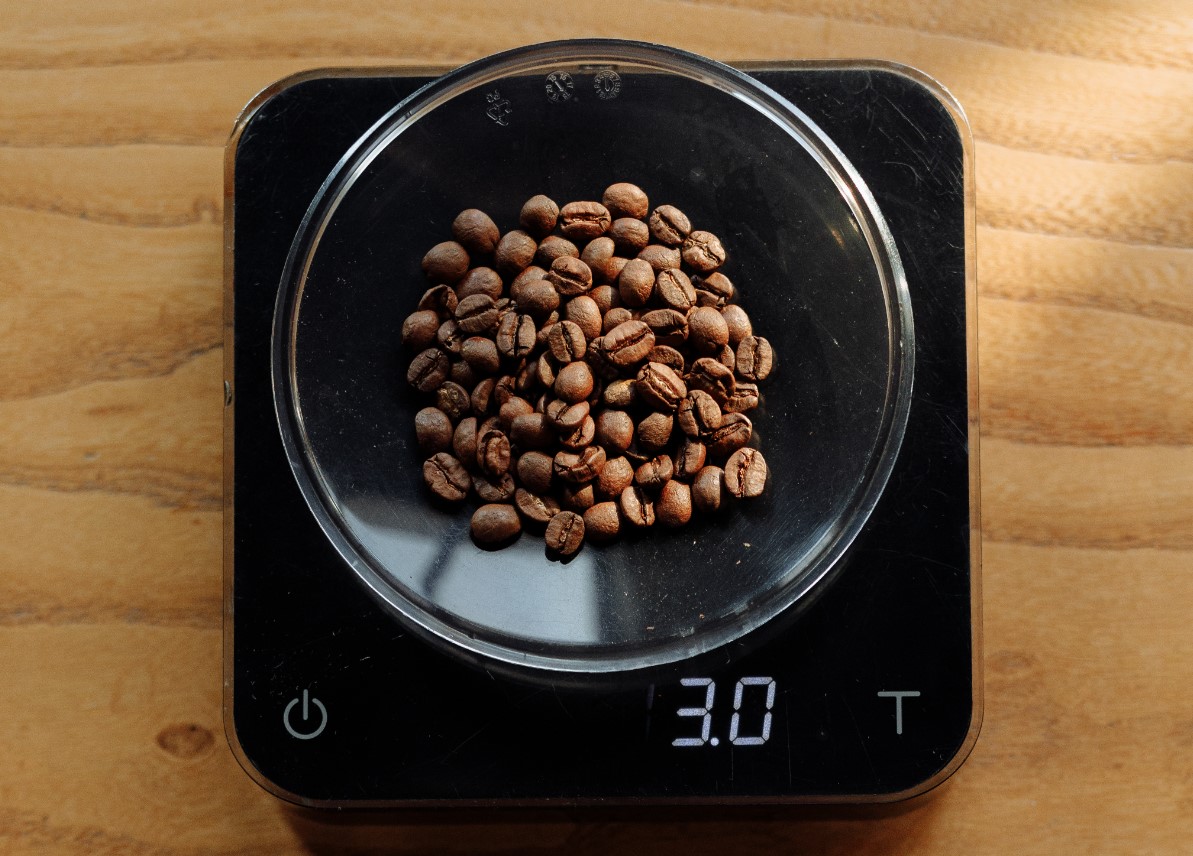
Technology has ingrained itself into our everyday lives in the fast-paced digital environment of today, having an impact on a variety of areas of our health and well-being.
Tracking weight reduction is one area where technology has made considerable progress. A variety of cutting-edge technology has complimented and improved traditional techniques of tracking progress as more people make an effort to live better lifestyles and lose excess weight.
These tools like Better Me, which range from wearable fitness trackers and mobile applications to smart scales and body composition analyzers, provide real-time feedback, improved accuracy, and motivation.
We will look at the advantages and issues of utilizing technology to monitor weight reduction success in this post.
Traditional Methods of Checking Weight Loss
Here are a few dated and conventional ways to monitor weight loss:
-
Food Journal
Keeping a meal record is one of the most time-tested and reliable ways to monitor weight loss. You can better understand your eating patterns and calorie consumption by keeping track of everything you eat and drink throughout the day. It enables you to spot patterns, keep an eye on portion proportions, and make better nutritional decisions.
-
Weighing Scale
A reliable bathroom scale is a common tool for monitoring weight loss. It offers a quick and easy way to gauge your overall weight. Weighing oneself frequently might help you keep track of your development and spot trends over time. It's crucial to remember that weight alone cannot accurately depict your body composition or general health.
-
Measuring Tape

Measuring several body areas, such as the waist, hips, chest, arms, and thighs, is another conventional method of keeping track of weight loss. In spite of minimal fluctuations in the scale's reading, this enables you to track changes in inches or centimeters lost. Body measurements offer a more thorough evaluation of your development and can reveal changes in your body's composition and general shape.
Modern Technology for Monitoring Weight Loss
Here are a few fresh and contemporary ways to monitor weight loss:
-
Smartphone Apps
The growing use of smartphones has made mobile applications common tools for tracking weight reduction. These apps provide comprehensive food databases that enable users to log meals, manage calories, and keep tabs on macronutrient intake.
They frequently include extra features like progress charts, meal planning, and goal setting. These apps are simple to use while on the road, making them useful companions for people trying to efficiently control their weight.
-
Smartwatches and Other Wearables

Weight loss tracking has been transformed by wearable technology, such as smartwatches and fitness trackers. They can track a number of variables, including steps taken, distance traveled, heart rate, and sleep quality, and even estimate calories burned because they are fitted with sensors and cutting-edge technology. These gadgets give consumers immediate feedback and motivate them to exercise.
-
Smart Scales
The use of smart scales and body composition monitors goes beyond simple weight measuring. These tools analyze body composition, including body fat percentage, muscle mass, bone density, and water weight, using bioelectrical impedance or other techniques. They give a more thorough grasp of how the body's composition changes as weight loss efforts are made.
Why Use Modern Tech for Monitoring Weight Loss?
The following are some advantages of utilizing technology to track weight loss:
-
Greater Accuracy And Precision
Compared to traditional approaches, technology-based weight loss tracking delivers greater accuracy and precision. Applications for mobile devices can offer thorough nutrient databases, ensuring precise tracking of calories and macronutrients.
Advanced technology is used by smart scales and body composition analyzers to measure weight, body fat percentage, and other parameters more precisely than traditional scales.
-
Real-Time Monitoring And Feedback
Technology enables real-time progress monitoring and instantaneous feedback on dietary and physical activity decisions. Instant updates on steps completed, calories burnt, and other important parameters are provided through mobile apps and wearable technology. Users can stay motivated and make timely adjustments to their weight loss techniques thanks to this real-time feedback.
-
Accountability and Motivation
Technologies for tracking weight loss help with accountability and motivation. Goal-setting tools and progress tracking are frequently included in mobile apps, enabling users to set objectives and keep track of their successes. This aspect of gamification can be extremely motivational, giving people a sense of success and encouraging them to continue with their weight reduction quest.
Features to Take into Account When Selecting a Weight Loss Monitoring Technology
Think about the following characteristics when selecting a new technology for measuring weight loss:
-
Integration With Other Apps And Devices
It is essential to take into account weight loss tracking technology's compatibility with other apps and gadgets you use. The integration enables smooth data synchronization and sharing, resulting in a more thorough and integrated method of tracking your progress.
-
User-Friendly Interface And Visualization
Your overall experience is greatly influenced by the tracking technology's usability and interface design. Choose systems with simple navigation and intuitive user interfaces. Charts, graphs, and progress reports that clearly display the facts can improve your understanding and interpretation of your weight reduction journey.
-
Measurement Accuracy And Reliability
The effectiveness and dependability of weight loss tracking technology are crucial considerations. Make sure the gadgets or applications you select have a reputation for offering accurate measurements. To ensure precise tracking of weight, body composition, and other pertinent parameters, look for solutions that make use of cutting-edge sensors and algorithms.
-
Privacy And Security
Prioritizing privacy and data security is crucial because weight loss tracking tools acquire sensitive personal data. Make sure the technology you're considering upholds the necessary data protection requirements by researching their privacy policies. Look for solutions that provide user-controlled sharing options, secure data storage, and encryption.
Conclusion
The ability to measure weight reduction more accurately, with real-time monitoring, has been transformed by technology. People may now track their progress more effectively and make health-related decisions thanks to the availability of mobile apps, wearable technology, and smart scales. Now, you can improve your weight loss journey and succeed long-term in the pursuit of a healthier lifestyle by utilizing the advantages of technology.
This article does not necessarily reflect the opinions of the editors or management of EconoTimes







