


 Singapore Budget 2026 Set for Fiscal Prudence as Growth Remains Resilient
  UK Starting Salaries See Strongest Growth in 18 Months as Hiring Sentiment Improves
  Trump Lifts 25% Tariff on Indian Goods in Strategic U.S.–India Trade and Energy Deal
  Japanese Pharmaceutical Stocks Slide as TrumpRx.gov Launch Sparks Market Concerns
  Indian Refiners Scale Back Russian Oil Imports as U.S.-India Trade Deal Advances
  South Africa Eyes ECB Repo Lines as Inflation Eases and Rate Cuts Loom
  Dow Hits 50,000 as U.S. Stocks Stage Strong Rebound Amid AI Volatility
  U.S. Stock Futures Slide as Tech Rout Deepens on Amazon Capex Shock
  Asian Stocks Slip as Tech Rout Deepens, Japan Steadies Ahead of Election
  Bank of Japan Signals Readiness for Near-Term Rate Hike as Inflation Nears Target
  Japan Economy Poised for Q4 2025 Growth as Investment and Consumption Hold Firm
  Asian Markets Surge as Japan Election, Fed Rate Cut Bets, and Tech Rally Lift Global Sentiment
  Gold and Silver Prices Slide as Dollar Strength and Easing Tensions Weigh on Metals
  Global Markets Slide as AI, Crypto, and Precious Metals Face Heightened Volatility
  Australian Household Spending Dips in December as RBA Tightens Policy
  Yen Slides as Japan Election Boosts Fiscal Stimulus Expectations
  Trump’s Inflation Claims Clash With Voters’ Cost-of-Living Reality


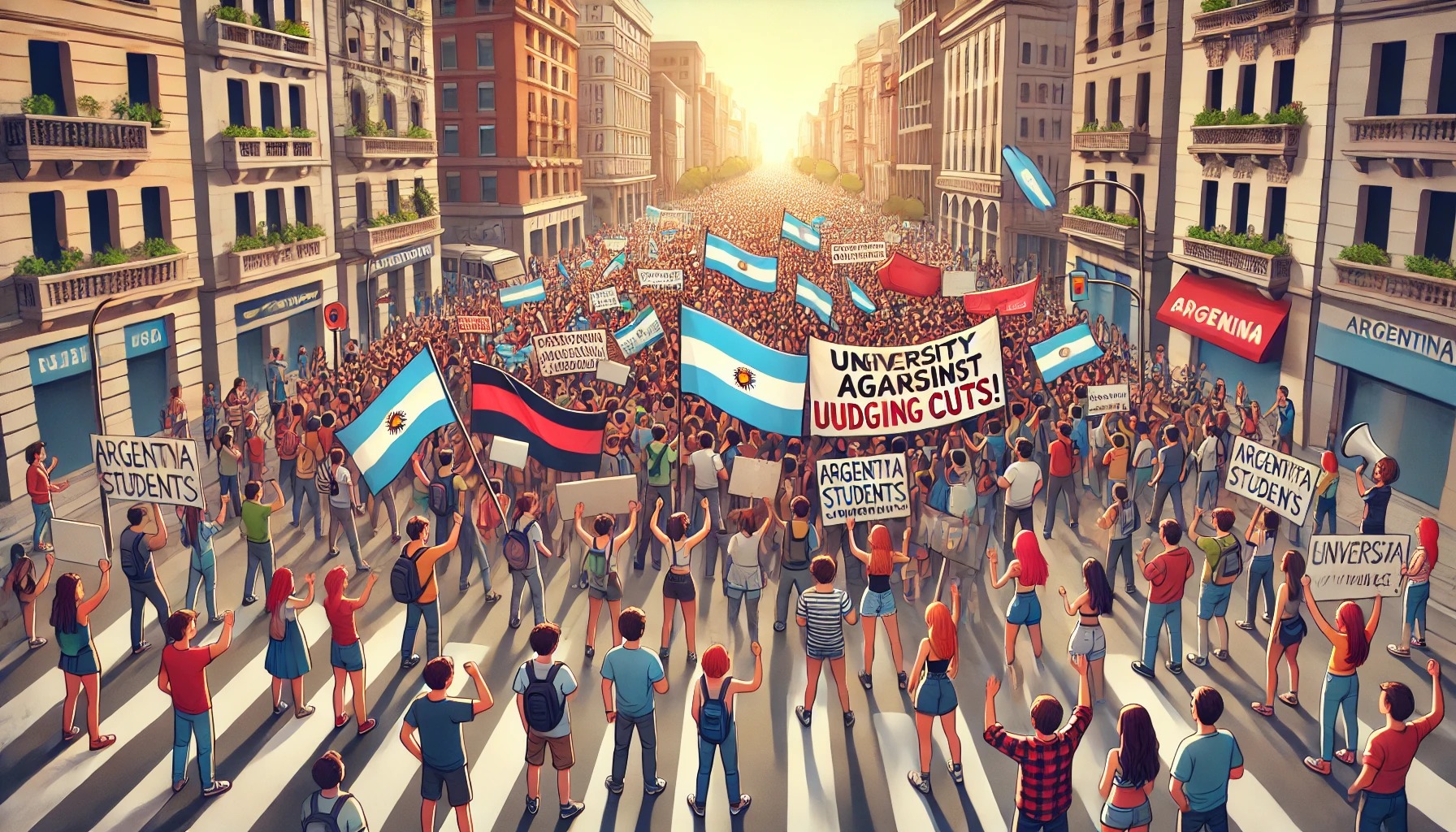
Hundreds of thousands of Argentine students took to the streets on Wednesday, protesting sharp public university funding cuts imposed by President Javier Milei’s libertarian government. The keyword "public university funding cuts" is at the heart of this nationwide outcry.
Public University Funding Cuts: A Threat to Education
The protests erupted in response to the government's threat to veto a newly passed law that guarantees university funding. As Argentina faces an economic crisis—with annual inflation nearing 240% and over half the population in poverty—these funding cuts could have devastating effects on public university education.
“The government has a systematic, methodical, and gradual plan to destroy public education,” stated Ricardo Gelpi, the head of the University of Buenos Aires (UBA). Milei’s administration argues that cuts are necessary, often criticizing public universities as hubs for “socialist” indoctrination. However, these institutions hold a strong reputation among Argentines for their academic excellence and community service.
Milei’sGovernment Doubles Down on Funding Cuts
In reaction to the protests, Milei's office reaffirmed its commitment to veto the "irresponsible" push to increase spending on national universities. The administration emphasized the need to protect the "fiscal balance," a stance that critics argue jeopardizes the future of education.
Gelpi highlighted that the budget reductions for public university education are a small fraction of Argentina's economic output, questioning the real motives behind Milei’s decision. Similarly, Piera Fernandez, leader of Argentina’s FUA university federation, emphasized that education and science funding should be seen as investments, not mere expenses.
Previous Protests Led to Revisions, but Concerns Remain
In April, similar mass protests involving students and teachers forced the government to reconsider proposed cuts to the higher education budget. However, university authorities later reported that the administration failed to make the promised improvements.
Impact on University Teachers and Students
According to the UBA, university staff, both teaching and non-teaching, have experienced a 40% reduction in purchasing power since December, and the situation continues to worsen. Florencia Rivero, a UBA graduate and teacher, warned that if the law is vetoed, it would severely affect wages, research, and other critical educational activities, urging that “it doesn’t happen.”
While Argentina's Ministry of Human Capital claims the government's commitment to public universities remains “firm,” the ongoing debate over public university funding cuts casts doubt over the future of education in the country. The outcome of this conflict will significantly influence the accessibility and quality of higher education for future generations in Argentina.













