


 U.S. Senate Greenlights AI Chatbots for Official Staff Use
  Trump Doubts Iran Mining Reports as Strait of Hormuz Tensions Escalate
  Venezuela Names Paula Henao as New Oil Minister Amid U.S.-Led Industry Overhaul
  U.S. and Russia Hold Diplomatic Talks in Florida Amid Ongoing Tensions
  Russian Drone Strikes Hit Kharkiv and Dnipro, Injuring Over 20 Civilians
  IEA Releases Record 400 Million Barrels of Oil Amid U.S.-Iran War
  Trump Hints at Possible U.S. Takeover of Cuba Amid Deepening Humanitarian Crisis
  Trump Administration Spent $5.6 Billion in Munitions in Opening Days of Iran Strikes
  Trump Announces New U.S. Oil Refinery in Texas with Indian Energy Giant Reliance
  Shots Fired at U.S. Consulate in Toronto in Suspected National Security Incident
  Trump Administration Launches Trade Investigations Against 16 Countries Over Industrial Overcapacity
  Trump-Putin Call Addresses Iran War, Ukraine Peace, and Global Oil Crisis
  U.S. Patriot Missiles Redeployed From South Korea Amid Middle East Conflict
  Bipartisan Housing Bill Advances in Senate, Aims to Tackle U.S. Affordability Crisis
  U.S.-Israel War on Iran Sends Crude Oil Prices Surging Amid Strait of Hormuz Tensions
  Japan's BOJ Independence Under Fire as PM Takaichi's Rate Stance Draws Political Heat
  After the Iran war, Persian Gulf nations face tough decisions on the US – a former diplomat explains


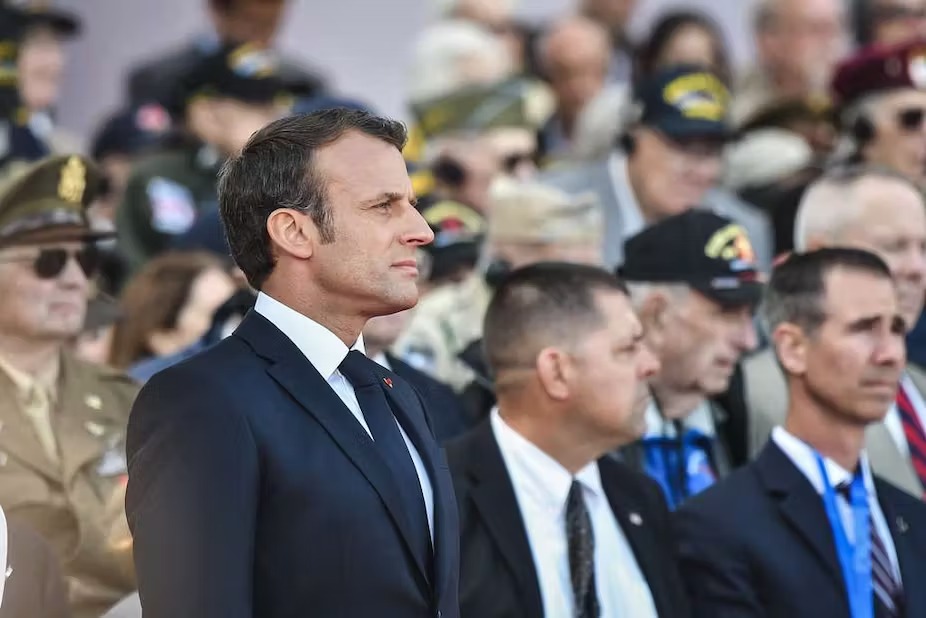
Thousands of demonstrators gathered in Lyon, France, on Saturday following the killing of 23-year-old far-right activist Quentin Deranque, whose death has intensified political tensions across the country. Deranque was allegedly beaten to death last week by individuals described as hard-left activists, in a case that has sparked nationwide debate over political violence in France.
According to local authorities, around 3,200 people attended the Lyon march. Many protesters concealed their identities with surgical masks and sunglasses while chanting slogans such as “we are at home” and “antifa assassin.” Videos shared on social media reportedly captured Nazi salutes and racist remarks during the rally, prompting officials to refer the matter to the public prosecutor for investigation.
Police presence in Lyon was significantly reinforced amid concerns of potential clashes. The city is known for a strong presence of both far-right groups and antifascist activists, raising fears of unrest. Although the demonstration largely dispersed by 8:00 p.m. local time, security forces remained deployed throughout the night to prevent further incidents.
French President Emmanuel Macron called for calm ahead of the protests and announced plans to meet with government ministers next week to address concerns surrounding extremist violence. Former Prime Minister Dominique de Villepin described the killing as “France’s Charlie Kirk moment,” referencing the recent killing of a conservative activist in the United States.
Seven individuals are currently under formal investigation in connection with Deranque’s death, including a former aide to a lawmaker from the hard-left France Unbowed (LFI) party. The party has publicly condemned the killing. Reports indicate this is the first alleged fatal attack linked to hard-left activists since 2022, while several killings during the same period have been attributed to far-right extremists.
The march was organized by anti-abortion activist Aliette Espieux, with participation from various far-right groups. Meanwhile, small counter-protests were also visible, reflecting France’s deep political divisions and ongoing concerns over rising extremism.













