


 Nvidia Options Price in $280 Billion Earnings Swing
  Google Expands Gemini Enterprise With AI Tools for Legal Sector
  OpenAI AI Agent Swarm Behind Hugging Face Hack
  Trump Buys SpaceX Shares After Record IPO
  SK Hynix Shares Fall as Workers Reject Wage Deal
  Meta Agrees to $18 Billion Settlement, Tightens Teen Social Media Rules
  New Zealand Labour Backs Social Media Ban for Under-16s
  U.S. Disrupts China-Linked Hacking Campaign Targeting Government Agencies
  Pinterest Stock Falls as CFO Julia Brau Donnelly Resigns
  Samsung Shares Tumble 8% as $79 Billion Return Plan Disappoints
  Nvidia Reportedly Eyes $13 Billion Hugging Face Acquisition
  Salesforce Shares Surge as AI Demand Powers Q2 Earnings Beat
  Luxshare Shares Rise as First-Half Profit Jumps 18%
  New Zealand Moves to Ban Social Media for Children Under 16
  PayPal Shares Sink as $50 Billion Takeover Bid Collapses


 Add as a preferred source on Google
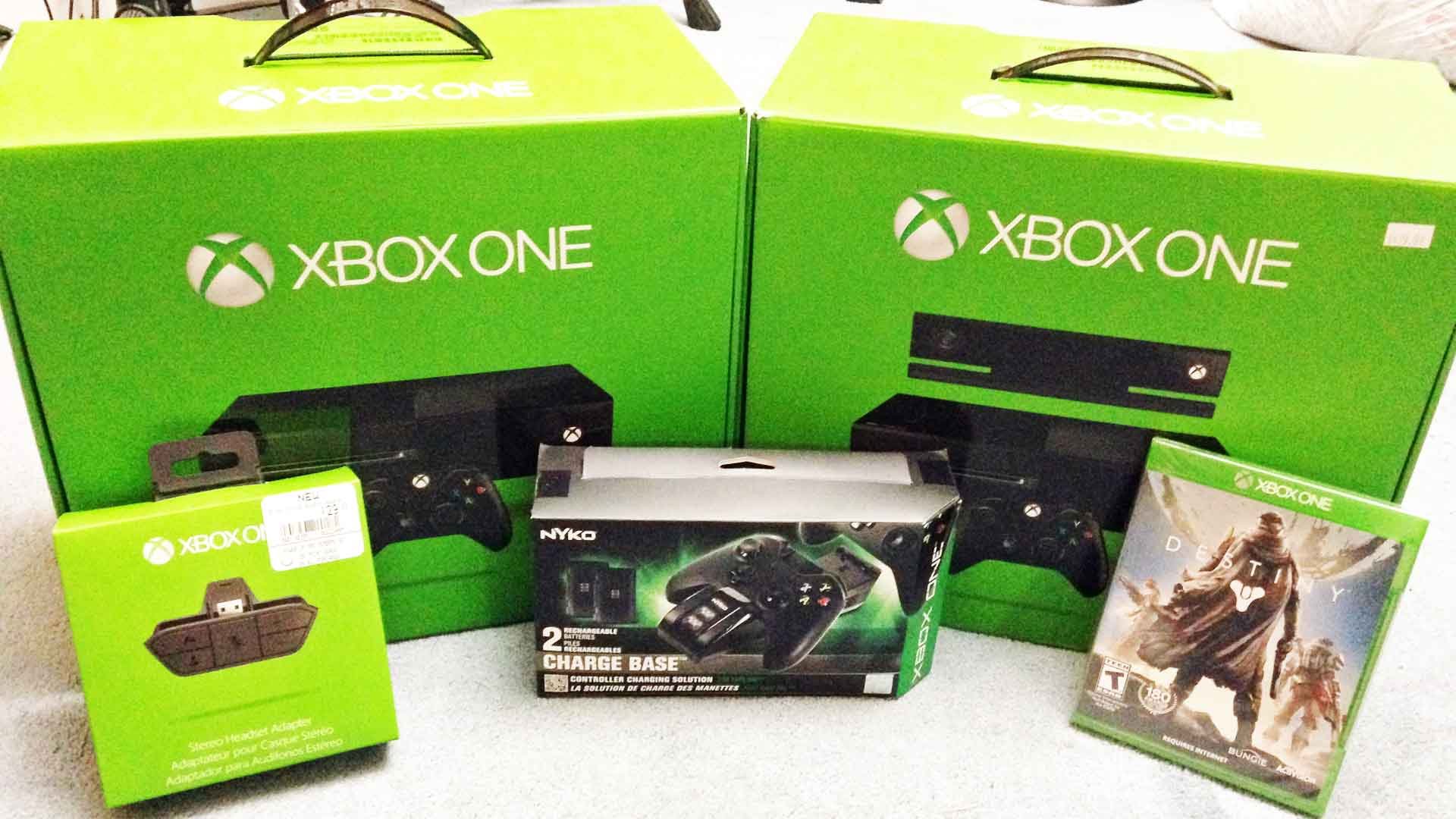
Video game consoles like the “Playstation” and “Xbox” are typically good for about 5 years on average before companies like “Sony,” “Microsoft” and “Nintendo” introduce the next generation of those consoles. At that point, video game players decide to switch to the better, more powerful systems for $400 to $600. However, according to a recent article by Mashable, gamers could be looking at a similar arrangement with mobile phone carriers where they could just upgrade consoles instead of buying entirely new ones.
There was a lot of buzz several months ago about a statement that “Xbox” head Phil Spencer said regarding the future of the console. Supposedly, it could follow a similar path to what PCs are treading right now, allowing for hardware upgrades of specific parts like the graphics card or the memory, instead of buying an entirely new “Xbox”.
This pronouncement highlighted the question of what the next generations of home video game hardware will look like as a whole, and not just the “Xbox”. As the Mashable article points out, there are details bleeding out regarding the details of the upgraded versions of “Xbox One” and “PS4” as well as future console generations that new replacements will stop being the norm. Instead, upgraded versions of the existing console will be an offer which can still play the game released for the original machine.
This is the same trend that applies to mobile devices where they are basically the same items, but with upgraded features. They can still play the same apps, do the same tasks, and offer the same features as previous generations, only with much better performance. The Mashable article speculates that “Microsoft” and “Sony” might just switch to this type of business practice.
The article also posits the possibility of upgrading to the new console via a planned payment route where instead of paying the full $600 on a new “Xbox,” players can just pay monthly fees until they decide to switch to the next one.







