


 RBA Set for Back-to-Back Rate Hikes, Westpac Forecasts
  U.S. Solar Market Contracts in 2025 as Trump Rolls Back Renewable Energy Incentives
  IEA Releases Record 400 Million Barrels of Oil Amid U.S.-Iran War
  Venezuela Names Paula Henao as New Oil Minister Amid U.S.-Led Industry Overhaul
  Dollar Steadies as Traders Await Clarity on U.S.-Israel-Iran War
  IEA Plans Record Emergency Oil Release Amid Iran Strait of Hormuz Crisis
  Asian Markets Retreat as Oil Prices Surge Toward $100 Amid Middle East Tensions
  Oil Prices Surge Toward $100/Barrel After Tanker Attacks in Iraqi Waters
  Nations will release an extra 400 million barrels of oil to the market. All we need to do now is not panic at the pump
  Bank of Japan Expected to Hold Rates at 0.75% Before June Hike Amid Middle East War Uncertainty
  Gold Prices Slip as U.S.-Israel-Iran War Fuels Dollar and Oil Demand
  U.S. Markets Slip Amid Iran Conflict Uncertainty as Oil Prices Retreat
  Diesel Price Surge Threatens Global Economy Amid Middle East Conflict
  Dollar Stabilizes Amid Iran War Uncertainty as Oil Prices Remain Elevated
  German Exports Drop 2.3% in January, Exceeding Forecast Decline
  Iran-Israel War Sparks Global Oil Crisis as Tankers Burn in Gulf Waters
  U.S.-Israel War on Iran Sends Crude Oil Prices Surging Amid Strait of Hormuz Tensions


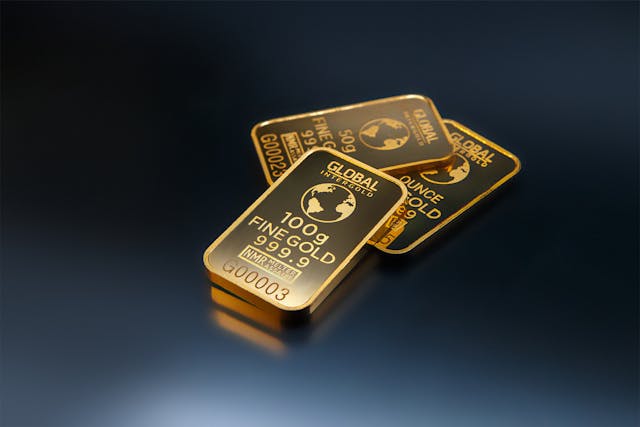
Thailand is set to impose new controls on gold trading as part of its efforts to manage the rapid appreciation of the baht and ease mounting pressure on economic growth. The move was announced by central bank governor Vitai Ratanakorn, who highlighted concerns that the strong currency is undermining the competitiveness of key sectors such as exports and tourism.
So far this year, the Thai baht has strengthened by around 1.5% against the U.S. dollar, following a sharp 9% surge in 2025. According to Vitai, a major driver behind this appreciation has been large-scale gold trading conducted in baht. To address this, authorities will introduce a cap on daily gold transactions, limiting them to 50 million baht (approximately $1.62 million) starting in March.
The policy aims to reduce currency volatility and prevent sudden capital inflows linked to gold trades. Vitai explained that when large gold transactions are settled in baht, they create rapid inflows into the currency and lessen dependence on the U.S. dollar, contributing to upward pressure on the exchange rate. By regulating these flows, the central bank hopes to stabilize the baht and protect the broader economy.
Thailand’s economic outlook remains modest. Vitai said the economy could grow by up to 1.7% this year, a rate that remains below its potential. With stronger structural reforms and targeted short-term stimulus measures, growth could reach as high as 2.7%. Looking ahead, economic growth next year is projected to be between 2.2% and 2.3%, while inflation is expected to return to the central bank’s target range.
As Southeast Asia’s second-largest economy, Thailand continues to face multiple challenges. In addition to the strong baht, the country is dealing with U.S. tariffs, elevated household debt levels, a border dispute with Cambodia, and political uncertainty ahead of elections scheduled for early February. The new gold trading controls represent another step in Thailand’s broader strategy to stabilize its currency, support economic growth, and maintain financial resilience in a complex global environment.













