


 China's Trade Surplus Surges Past Forecasts in Early 2026
  Iran-Israel War Sparks Global Oil Crisis as Tankers Burn in Gulf Waters
  RBA Set for Back-to-Back Rate Hikes, Westpac Forecasts
  U.S.-Israel War on Iran Sends Crude Oil Prices Surging Amid Strait of Hormuz Tensions
  U.S. Futures Slide as Oil Prices Surge on Middle East Shipping Attacks
  U.S. Markets Slip Amid Iran Conflict Uncertainty as Oil Prices Retreat
  Gold Prices Slip as U.S.-Israel-Iran War Fuels Dollar and Oil Demand
  Asia FX Steady as Iran War Signals and U.S. Inflation Data Weigh on Sentiment
  Gold Prices Climb Above $5,200 as Iran War Uncertainty and Inflation Data Loom
  Dollar Steadies as Traders Await Clarity on U.S.-Israel-Iran War
  Venezuela Names Paula Henao as New Oil Minister Amid U.S.-Led Industry Overhaul
  UK Housing Market Slows Amid Geopolitical Tensions and Mortgage Rate Fears
  Trump Administration Launches Trade Investigations Against 16 Countries Over Industrial Overcapacity
  Iran-U.S. Oil Tensions Escalate as Revolutionary Guards Threaten Strait of Hormuz Blockade
  IEA Releases Record 400 Million Barrels of Oil Amid U.S.-Iran War
  IEA Plans Record Emergency Oil Release Amid Iran Strait of Hormuz Crisis
  Dollar Stabilizes Amid Iran War Uncertainty as Oil Prices Remain Elevated


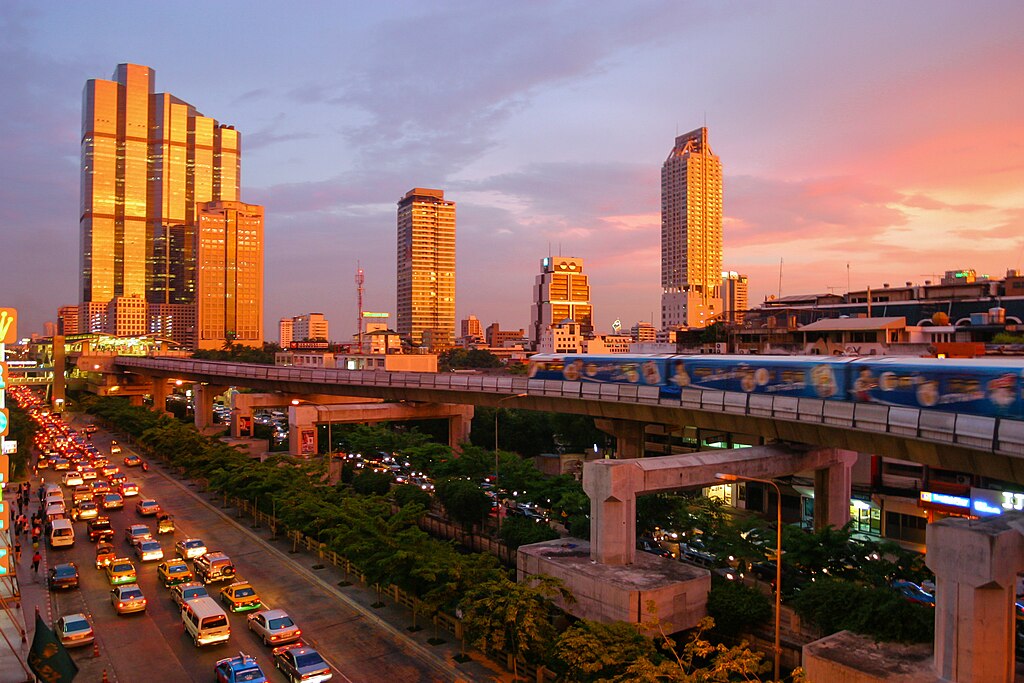
Thailand Economy Forecast Holds Steady as Exports, Tourism Face Global Pressures
Thailand’s economy is expected to grow by 2.0% this year, according to the finance ministry, which maintained its previous economic growth forecast despite ongoing global and domestic challenges. The outlook reflects cautious optimism as exports, tourism, and inflation trends show mixed signals for Southeast Asia’s second-largest economy.
Exports, a major driver of Thailand’s economic growth, are now projected to increase by 1.0% this year. This marks a notable improvement from an earlier forecast that anticipated a 1.5% contraction. The revision highlights stronger-than-expected trade performance, even as Thailand navigates the impact of global trade tensions and currency appreciation. Vinit Visessuvanapoom, head of the finance ministry’s fiscal policy office, shared the updated outlook during a press briefing.
For 2025, Thailand’s gross domestic product is estimated to have expanded by 2.2%, slowing from 2.5% growth recorded in 2024. Official GDP figures for 2025 are scheduled to be released next month by the state planning agency, which will provide further clarity on the country’s economic trajectory. Looking ahead, the central bank has forecast economic growth of 1.5% in 2026, signaling a more subdued outlook amid structural challenges.
The Thai economy continues to face headwinds from multiple fronts, including an appreciating baht, elevated household debt, U.S. trade tariffs, political uncertainty ahead of elections in early February, and a border conflict with Cambodia. The baht has strengthened about 1.4% against the U.S. dollar so far this year, following a sharp 9% rise in 2025. This currency appreciation poses risks to the competitiveness of Thailand’s export and tourism sectors.
Tourism, a critical pillar of the Thai economy, is expected to see foreign arrivals reach 35.5 million this year, unchanged from earlier projections. While this represents growth from 32.9 million arrivals last year, it remains below the pre-pandemic record of nearly 40 million visitors in 2019.
On the inflation front, the finance ministry forecasts headline inflation at 0.3% this year, down from a previous estimate of 0.5% and well below the central bank’s target range of 1% to 3%. Consumer prices declined by 0.14% in 2025 on a year-on-year basis, underscoring weak price pressures.
Adding to uncertainty, the United States has imposed a 19% tariff on imported goods from Thailand, consistent with measures applied to other countries in the region. Concerns also remain over potential U.S. tariffs on goods transshipped through Thailand from third countries, which could further complicate the trade outlook.













