


 Khamenei Funeral Draws Thousands as Iran Stages Nationwide Week of Mourning
  Meta Seeks Legal Shield From Child-Harm Lawsuits Amid KOSA Talks
  Colombia Opens New Investigation Into Former President Álvaro Uribe Over Paramilitary Allegations
  Russia Claims Capture of Kostiantynivka as Putin Pushes Donetsk Offensive
  Zelenskiy Urges Trump’s Support to Help End Russia-Ukraine War
  California Drivers Sue BP, Walmart, 7-Eleven Over Alleged AI Gas Price Fixing
  UN Warns of Looming Human Rights Catastrophe in Sudan’s Al-Obeid
  Frank Stronach Found Guilty of Sexual Assault and Indecent Assault in Ontario Court
  California Court Dismisses Trump Administration Lawsuit Against Los Angeles Sanctuary Policy
  Burgum Defends Free Speech as Patriot Front July 4 March Sparks Debate
  Fortescue Faces Class Action Over Sexual Harassment Claims at Australian Mining Sites
  DOJ Opens Investigation Into NYC Coffee Shop Over Anti-Goldman Social Media Post
  Iran Holds State Funeral for Ali Khamenei as Security Fears Shape Succession
  Sara Duterte Impeachment Trial Opens, Putting 2028 Philippine Election in Focus
  Amy Coney Barrett Faces Conservative Backlash After Key Supreme Court Rulings Against Trump
  Michigan Senate Race Narrows as Mallory McMorrow Ends Democratic Campaign


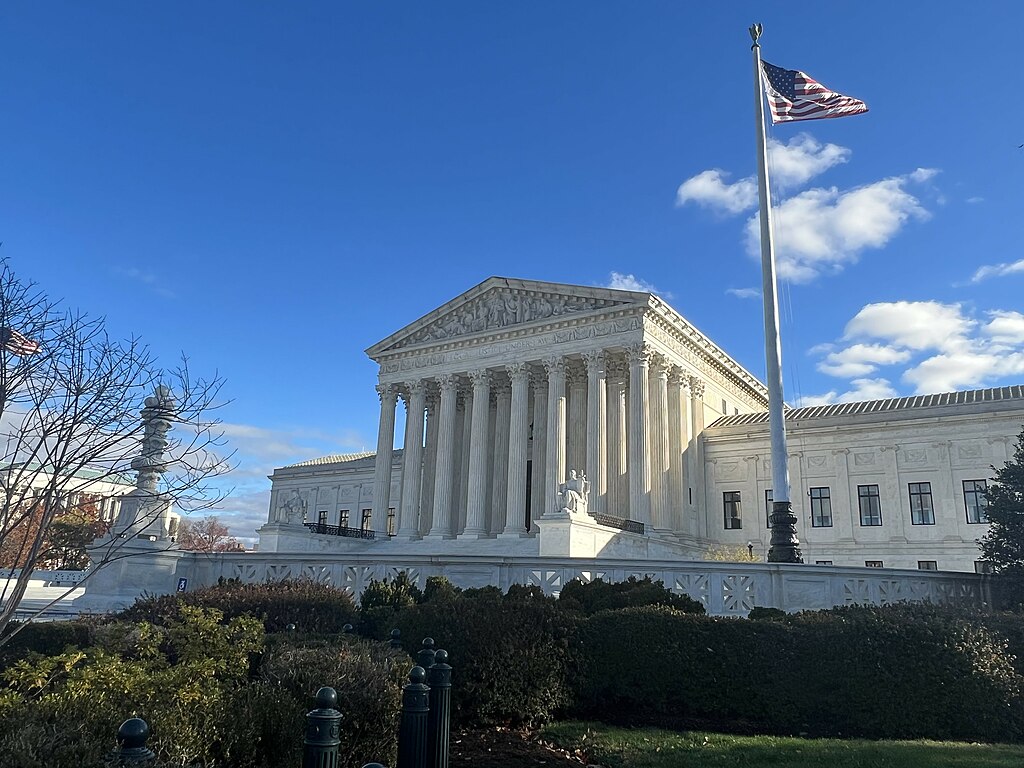
Texas officials have asked the U.S. Supreme Court to reinstate a newly drawn congressional map crafted to strengthen Republican gains in the 2026 midterm elections. The map, approved by the Republican-led legislature in August with support from President Donald Trump, was blocked by a lower federal court that ruled it likely constituted unlawful racial gerrymandering.
In their emergency appeal, Texas officials argued that the lower court misinterpreted the law and created confusion during the crucial candidate filing period. Attorneys for state Attorney General Ken Paxton emphasized that the legislature engaged in normal political decision-making, rejecting the notion that race was a driving factor in reshaping the districts. The Supreme Court has ordered challengers to respond to Texas’ request by Monday.
The blocked map was expected to shift as many as five U.S. House seats from Democrats to Republicans, bolstering the GOP’s slim congressional majority. The move sparked nationwide battles over redistricting, with states like California also redrawing districts to strengthen their own partisan advantage.
Although the Supreme Court ruled in 2019 that partisan gerrymandering claims cannot be challenged in federal court, racial gerrymandering remains unconstitutional under the 14th and 15th Amendments. Civil rights groups, including the NAACP, argued that the Texas map disproportionately diluted minority voting power. Judge Jeffrey Brown concluded that the map was influenced by racial considerations, citing a Justice Department letter that pushed Texas to adjust districts based on voter demographics.
The court ordered Texas to revert to its 2021 map for the 2026 elections, dealing a setback to Trump’s broader national push for Republican-led redistricting efforts. The decision has national implications, affecting political strategies in states such as Indiana, California, and Virginia.
The Supreme Court, holding a 6–3 conservative majority, is already hearing another major redistricting case this term, signaling the continued significance of voting rights and electoral map disputes heading into future elections.







