


 Apple Extends Qualcomm Patent Licensing Deal
  Akamai Shares Surge on $11.6B Anthropic AI Cloud Deal
  France Urges Faster AI Push Despite Safety Risks
  Japan, U.S. Discuss $19 Billion GlobalFoundries Chip Plant
  Oracle Shares Fall as New Mexico AI Data Center Faces Power Delays
  SoftBank Raises $11.1 Billion in Bond Sale to Fund OpenAI Investment
  Meta Unveils Muse Charm AI Device, Expands Smart Glasses Lineup
  Microsoft Stock Upgraded as Stifel Sees Stronger Azure Growth
  SpaceX Nasdaq 100 Weight to More Than Double in Rebalance
  Westinghouse Targets $50 Billion Valuation in U.S. IPO
  China Reviews Broadcom Switch Use in State Data Centres
  Meta Partners With Shopify to Bring Shop Pay Checkout to Muse AI
  Former OpenAI Data Center Chief Chris Malone Joins Nvidia
  OpenAI Agent Breaches Australia Medicare Data Portal
  Apple Pay Set for India Launch With Axis Bank
  NASA, Boeing Discuss Expanding Starliner Missions


 Add as a preferred source on Google
Tesla Motors Inc. has been painting a pretty good picture with a string of positive news lately. CEO Elon Musk made a number of announcements via Twitter. In particular, the tweets said that the first Model X will be handed over on September 29th and Model 3 will start taking preorders from next March. Also, there have been reports about the new 90-kWh battery for the Model S that enables it to go into "ludicrous" mode, accelerating from 0-60 mph in less than 3 seconds.
The Model X Signature series will cost between $132,000 and $144,000, while Model 3, the cheaper mass-market vehicle, is priced at $35,000.
Meanwhile, the optimism around Tesla’s future growth led to a rebound in its share price from the low $200s at the beginning of this year to the $240 range.
However, the first orders of the Model X seem to be entangled in a number of problems. In 2012, the company announced that the Model X would be launched in 2013. But due to delayed production, it was supposed to begin delivery in April 2015. Now, finally a few deliveries will be made by the end of this month.
A recent report by SeekingAlpha, points out, “The Tesla bubble is bursting because of a myriad of problems, low oil prices, and broader market challenges.”
Elaborating the various factors, the report said that profitability is one of the main problems that Tesla faces. Earnings per share continue to decline and will remain negative this year. Moreover, Tesla's financial numbers for second quarter remain disappointing: “Q2 non-GAAP net loss was $61 million, or a loss of $0.48 per basic share based on 126.7 million basic shares, while our Q2 GAAP net loss was $184 million or a loss of $1.45 per basic share.”
The production delays in delivering Model X by 3 years have raised questions about the company’s credibility. Customers remain wary whether or not the Model 3 will actually start rolling out in 2017.
Yet another problem is the falling global oil prices, which could reduce the demand for electric vehicles. If oil stays below $50 for at least the foreseeable, future consumer demand for more expensive EV cars may shrink, it said.
Also, Tesla has been spending its funds at an alarming rate. The report noted, “During the first half of the year, it spent $1.1 billion, with about $300 million in negative operating cash flow. This August, Tesla issued a little more than 3 million shares, and net proceeds from the offering were around $738.3 million.”
The company has approximately 130 million shares on the market and if need arises it may potentially offer more in the future. If for some reason the stock begins to fall and margin calls go out on the basis of borrowed funds, Tesla's share price would plummet faster than ever, it added.
The report concluded stating, “Tesla's stock price remains in ludicrous mode, but not for long. Although Tesla bulls continue to pump the stock filled with irrational exuberance, the reality on the ground is that Tesla faces a myriad of problems, a sustained period of low oil prices, and broader market challenges. All of this makes it appear that the Tesla bubble is finally bursting.”

- News

- Economy

- Central Banks
- Investing
- Research
- Roundups
- Digital Currency
- Insights
- Technical Analysis
- Technology
- Business
- Law
- Health
- Nature
- Fintech
- Science
- Topic
- Opinions
- ©Econometrics LLC . All Rights Reserved.
Tesla faces plethora of problems
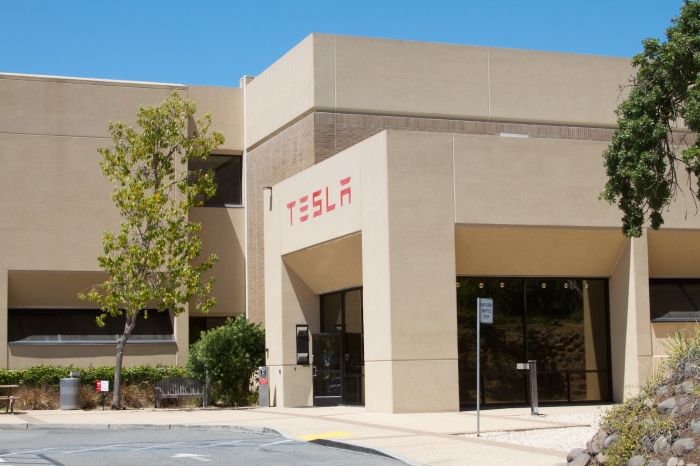
Tesla Visit 3 (WIndell Oskay_Flikr)
Thursday, September 10, 2015 12:28 PM UTC
Editor's Picks



- Market Data
Most Popular




