


 SoftBank Shares Slide After Arm Earnings Miss Fuels Tech Stock Sell-Off
  Amazon Stock Rebounds After Earnings as $200B Capex Plan Sparks AI Spending Debate
  Elon Musk’s SpaceX Acquires xAI in Historic Deal Uniting Space and Artificial Intelligence
  Global PC Makers Eye Chinese Memory Chip Suppliers Amid Ongoing Supply Crunch
  Oracle Plans $45–$50 Billion Funding Push in 2026 to Expand Cloud and AI Infrastructure
  Alphabet’s Massive AI Spending Surge Signals Confidence in Google’s Growth Engine
  Anthropic Eyes $350 Billion Valuation as AI Funding and Share Sale Accelerate
  SpaceX Reports $8 Billion Profit as IPO Plans and Starlink Growth Fuel Valuation Buzz
  Tencent Shares Slide After WeChat Restricts YuanBao AI Promotional Links
  Nvidia Confirms Major OpenAI Investment Amid AI Funding Race
  SoftBank and Intel Partner to Develop Next-Generation Memory Chips for AI Data Centers
  Elon Musk’s Empire: SpaceX, Tesla, and xAI Merger Talks Spark Investor Debate
  SpaceX Updates Starlink Privacy Policy to Allow AI Training as xAI Merger Talks and IPO Loom
  Palantir Stock Jumps After Strong Q4 Earnings Beat and Upbeat 2026 Revenue Forecast
  Sam Altman Reaffirms OpenAI’s Long-Term Commitment to NVIDIA Amid Chip Report
  Instagram Outage Disrupts Thousands of U.S. Users
  Nintendo Shares Slide After Earnings Miss Raises Switch 2 Margin Concerns


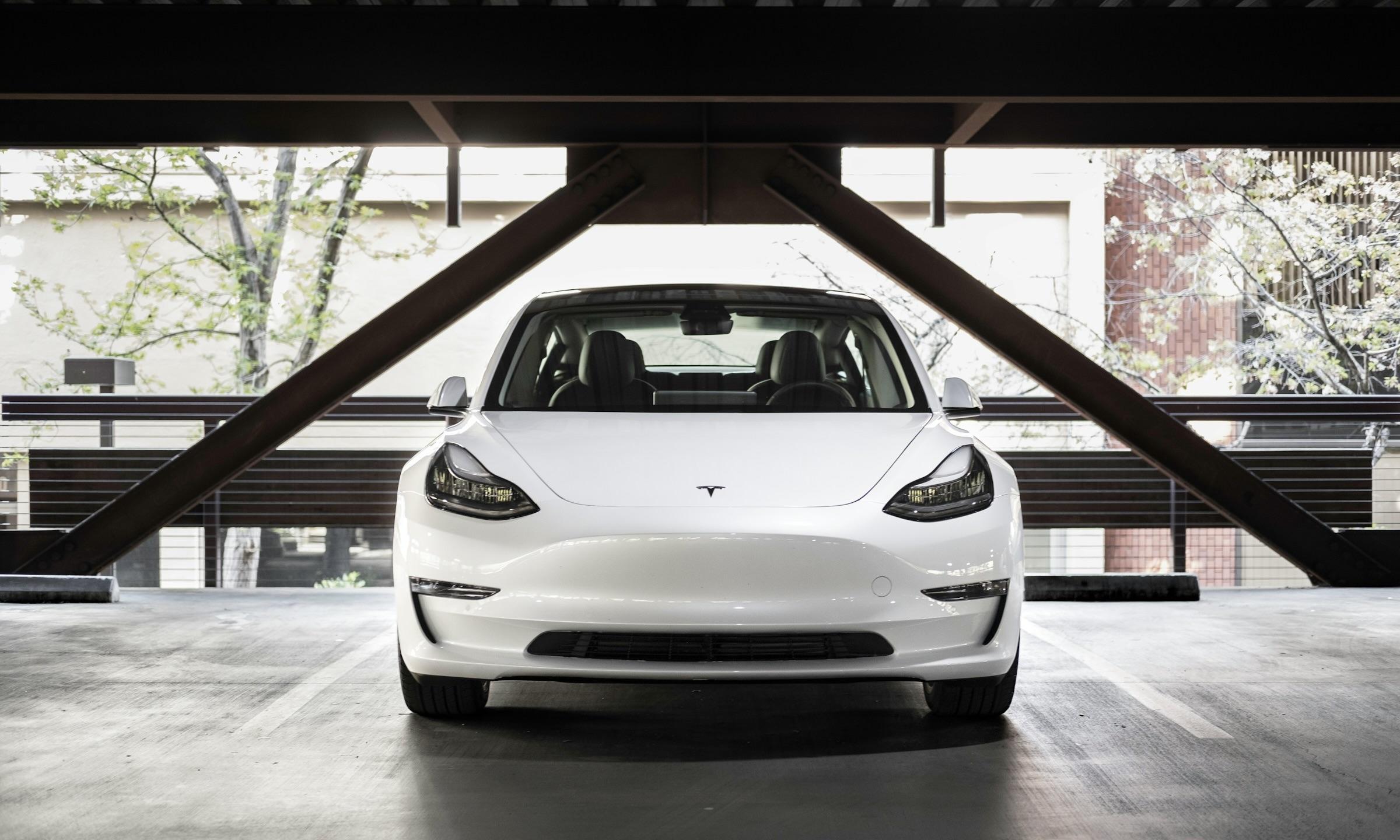
Tesla is reportedly expanding its battery production facility in Nevada with equipment from China.
Tesla Found a Way to Use LFP Batteries and Qualify for Full EV Tax Credit
According to Automotive News' unidentified sources, the Texas-based automaker would buy idle machinery from China's Contemporary Amperex Technology Limited (CATL), a lithium-iron-phosphate (LFP) battery manufacturer.
LFP batteries are claimed to be long-lasting and provide increased range, but most importantly, they are less expensive to manufacture. However, purchasing LFPs from CATL disqualifies you from the federal EV tax credit under the 2024 Inflation Reduction Act (IRA) standards, which is why the upgraded Model 3 HIghland is ineligible for the $7,500 EV tax credit.
If the claim is correct, this latest advancement could enable Tesla to manufacture LFPs in the United States while also controlling the supply of raw materials.
Unlike Ford's contract for its battery facility in Michigan, which licensed CATL technology, the unnamed sources stated that Tesla would have complete control over the facility and prices, with CATL personnel merely assisting in the machinery setup.
Tesla's Tax Credit Prospects Amid IRA's Evolving EV Rules
To recall, one of the new IRA rules for this year stipulated that qualified EVs should "not contain any battery components that are manufactured or assembled by a foreign entity of concern (FEOC)."
This will be more stringent in 2025, requiring EVs to "not contain any critical minerals that were extracted, processed, or recycled by a FEOC" in order to qualify. However, none of the restrictions ban the use of equipment obtained from a FEOC.
The IRA defines FEOCs as the People's Republic of China (PRC), the Russian Federation, the Democratic People's Republic of North Korea, and the Islamic Republic of Iran, as per Carbuzz.
With Tesla producing LFPs domestically, the limits could be lifted, allowing LFP-equipped Teslas to qualify for the federal tax credit. As of this writing, the only Teslas that qualify for full credit are the Model Y (Rear-Wheel Drive, All-Wheel Drive, and Performance) and Model X (Long Range).
According to the sources, the new facility will not be operational until 2025 and will start with a limited output of roughly 10 GWh, which will be increased if the project goes well and the supply chain is formed. It will also apparently cover 20% of Tesla's North American battery output, including the company's Megapack-producing facility in California.
Photo: Charlie Deets/Unsplash













