


 Agentic AI Boom to Drive Massive Growth in CPU Market, UBS Says
  Meta Raises 2026 Capex Outlook Amid AI Spending Surge, Shares Drop After Earnings
  Samsung Appoints New TV Business Head Amid Rising Competition from Chinese Rivals
  AMD Q1 Earnings Surge on AI Demand, Stock Jumps After Strong Guidance
  Broadcom Eyes $35 Billion AI Chip Financing Deal With Apollo and Blackstone
  Apple Explores Intel and Samsung Partnerships to Diversify Chip Supply Chain
  Anthropic’s $1.5B AI Venture with Wall Street Firms Targets Private Equity Market
  Judge Delays SEC Settlement With Elon Musk Over Twitter Stock Disclosure Case
  BHP Attracts AI-Focused Investors as Copper Demand Surges
  Arm Stock Drops Despite Strong AI Chip Demand and Earnings Beat
  Trump Invites Top CEOs Including Nvidia, Apple, Boeing to China Summit With Xi Jinping
  AWS Data Center Overheating Disrupts Cloud Services in Northern Virginia
  TikTok Nears $400 Million Settlement With Trump Administration Over Child Privacy Lawsuit


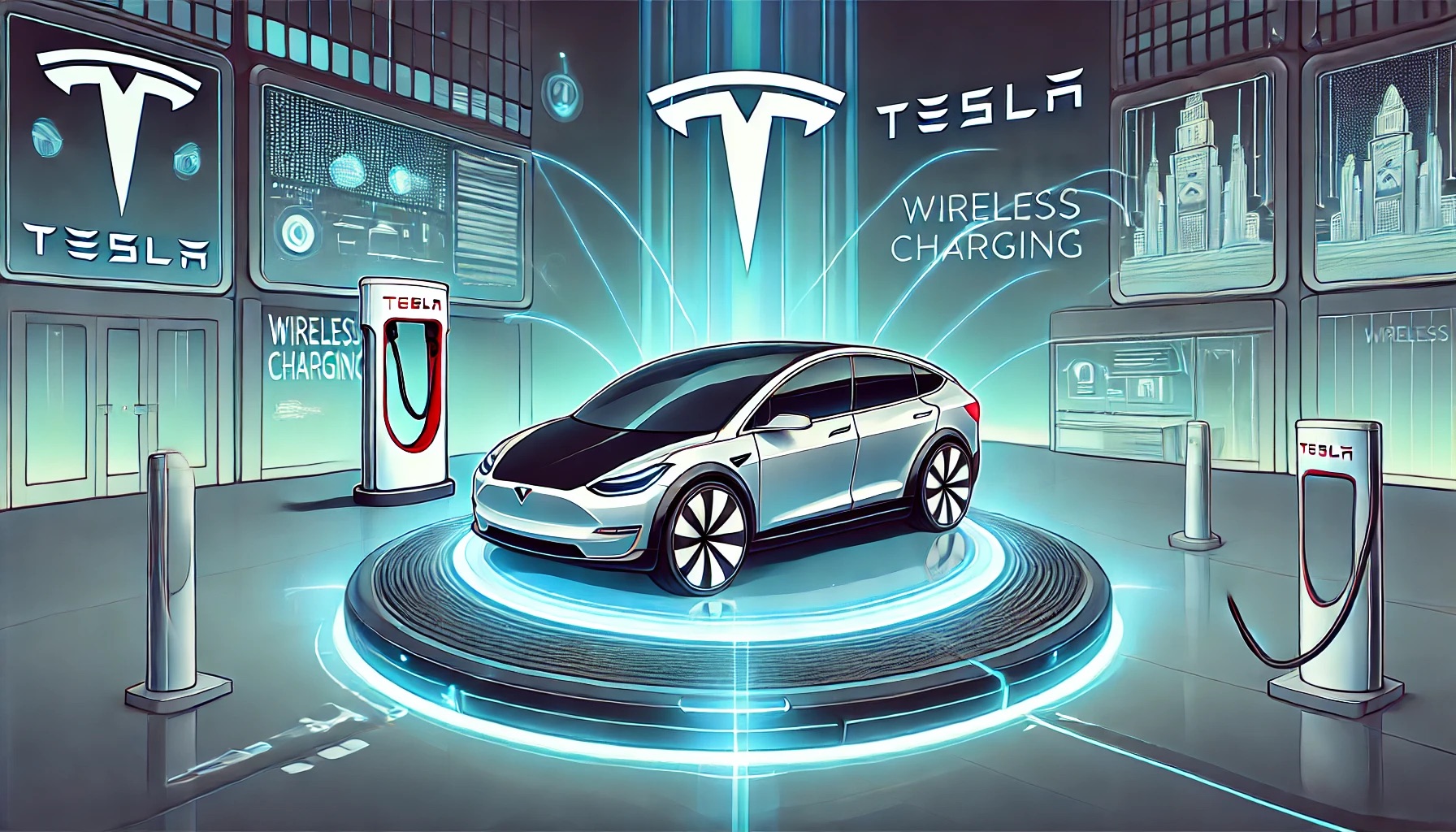
Tesla confirmed that its Cybercab wireless charging system boasts over 90% efficiency, responding to concerns about potential heat waste. The announcement came after a debate sparked by tech reviewer Marques Brownlee on X, who questioned the effectiveness of wireless EV charging systems.
Tesla Unveils Wireless Charging for Cybercab at ‘We, Robot’ Event, Surpassing Wall Connector Speeds
Esla has stated that its wireless charging system for the Cybercab has a charging efficacy of "well over 90 percent" in response to inquiries regarding whether it would be inefficient compared to wired charging.
Tesla claimed on October 19 after tech reviewer Marques Brownlee, also known as MKBHD, emphasized the "massive heat waste" in wireless charging systems in a post on X. He claimed that a "noble goal" in wireless charging for electric vehicles (EVs) would only achieve "maybe 75 percent efficiency."
In reply, Tesla explicitly declared that the system's "efficiency is significantly greater than 90 percent," which prompted Brownlee to send an emoji of the eyes.
“I stand corrected. Can’t wait for it to ship,” Brownlee wrote after being encouraged to say more by another user.
According to Teslarati, the announcement follows Tesla's "We, Robot" event earlier this month. Elon Musk disclosed that the recently unveiled Cybercab would be recharged wirelessly using inductive charging technology rather than incorporating a NACS port.
The company's future robotaxi plans were anticipated to include wireless charging; however, the system was not hinted at until the "We, Robot" event. During the presentation, Tesla also demonstrated a Cybercab charging at 19kW at 35 state-of-charge (SoC), surpassing the Wall Connector's approximately 11.5kW.
Some anticipated that wireless charging would be a significant component of the robotaxi system before the event, as the company had also patented a wireless charging device in September. Tesla also patented the automatic cleaning system in July, which would be hinted at in conjunction with the inductive charger.
Tesla Highlights Autonomous Cybercab with 25kW Wireless Charging in New Video, Sparks Online Buzz
Afterward, Tesla released a video on October 17 that sparked a conversation between Brownlee and others. The video depicts a vehicle with a charging capacity of 25kW. The Cybercab is anticipated to be operated with "no hands required," as the company states in the post. The video also emphasizes Tesla's emphasis on autonomy, which encompasses driving, cleaning, and charging.
Last year, Tesla's acquisition of Wiferion, a wireless charging company, was also speculated to be a precursor to the company's entry into the industry. The company would subsequently sell Wiferion, but it has retained some engineers who were brought on board as part of the acquisition.
Teslarati was also present at the "We, Robot" event, where Tesla unveiled its two-seater Cybercab and its larger autonomous "Robovan," which is expected to be a 12- to 14-seat self-driving bus.







